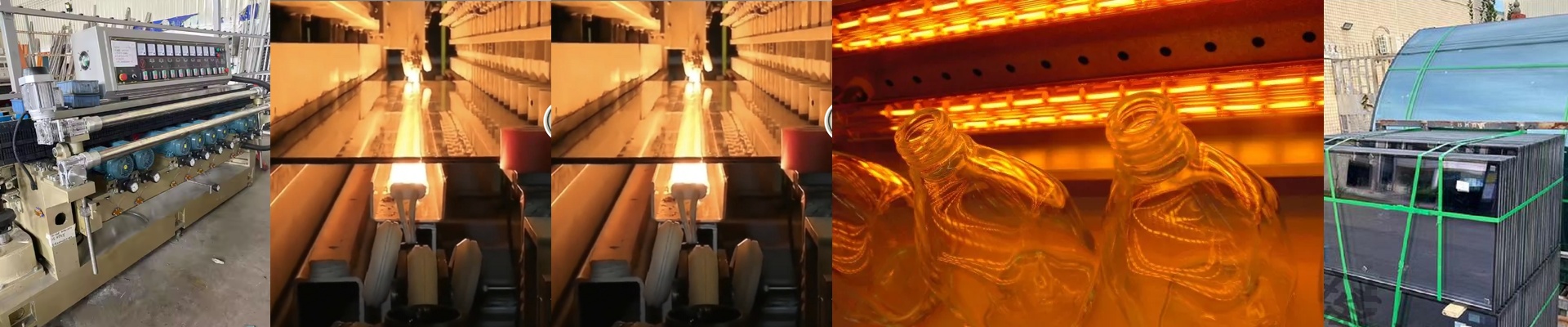
Out on the line, you don’t get to argue with coating cure time. If the heat profile drags, solvents stay trapped, adhesion specs fall short, and the whole batch is suddenly at risk. We built our rapid drying around that hard fact: short-wave NIR emitters that put controlled radiant energy straight into the coating, not the air. The film hits cure temperature fast, and the glass stays thermally stable.
What matters under the hood
We run short-wave NIR with a tight spectral output matched to the coating’s absorption. Energy goes where it needs to—into the film—instead of dumping heat into the furnace or conveyor. That gives you a quick temperature rise with low thermal inertia, so you can hold dwell time tighter and cut overall cycle time. Power and zone layout are scalable, so you can match line speed and glass thickness without overshooting or undershooting. Output stays stable through long runs, and the emitter design keeps temperature distribution repeatable across the glass width.
Why this plays well across glass processes
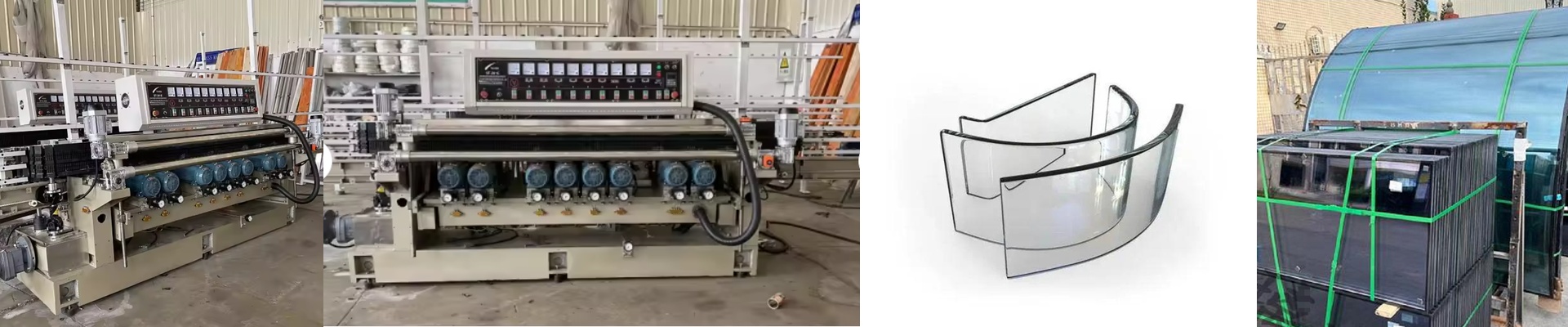
This approach hits the four heating demands that show up every day in glass work. In tempering and bending, it delivers fast preheat that helps keep sag consistent and keeps thermal stress in check. In lamination—EVA, SGP, and PVB—it speeds up the dwell phase without cooking the edge seal, improving opticals and shortening press cycles. For coatings, it knocks down drying time and lowers the odds of orange peel, pinholes, and adhesion issues. On insulating glass lines, it supports a consistent sealant cure, which improves edge integrity and long-term weathering.
A few practical notes
NIR drying is line-of-sight, so geometry and spacing matter. Reflection off metallic fixtures can create uneven heating unless you plan zone layout and shielding during integration. We size the system to your line, but it performs best when the emitter array, conveyor tolerance, and control feedback are aligned from day one.