


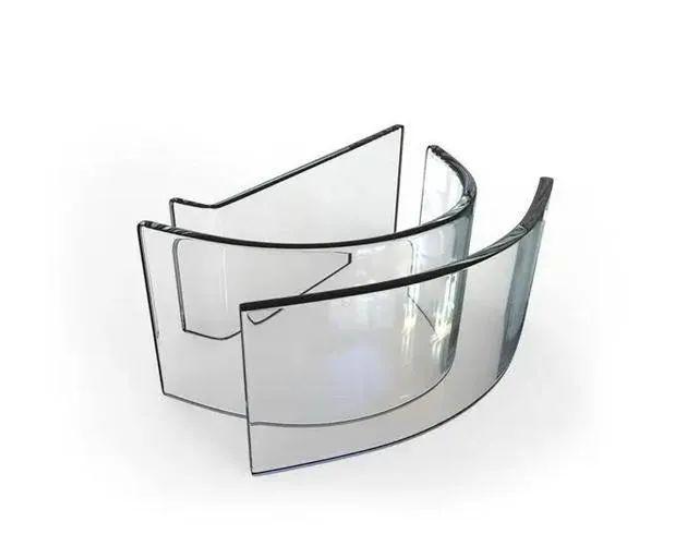
Getting Silk-Screened Glass Tempering Right
Here’s the struggle: when you mix silk-screen printing with tempering, you’re fighting a battle. You need enough heat to bond the ink and stress the glass, but if you push it too far, you’ll burn the pigment or end up with uneven expansion. It’s a delicate balance. We handle this by using custom quartz infrared heaters that hit very specific wavelength bands.
Keeping Your Patterns Sharp
Standard heaters usually dump too much heat right on the surface. The problem is that ink doesn’t absorb heat the same way clear glass does. That difference is what causes “ghosting” or those ugly discolored patches in your print. We use short-wave quartz lamps instead. They punch through the glass substrate quickly. Because the heat gets where it needs to go faster, the ink doesn’t sit at peak temperature for long. The result? Your lines stay crisp.
Dialing in the Heat
One size doesn’t fit all here. To get both strength and clarity, we tweak the power density along the length of the lamp. Think of it as zoning. You can crank up the heat in the center of the glass sheet and taper it off toward the edges. This stops that annoying “bowing” effect that usually happens when you try to do both processes at once. And a quick tip: watch your voltage drops. If you’re running long banks of lamps, even a tiny dip can tank your throughput. We stick with high-precision controllers to keep the wattage steady within ±2%. It just saves you the headache.
Real Talk: The Shop-Floor Trade-offs
High-density quartz lamps are great for fast cycle times, but they take a beating. They generate an incredible amount of heat, and the connectors are usually the first thing to give out. We use reinforced terminals to stop them from oxidizing every time the system cycles. Just remember that if you push for maximum glass strength, you’re cranking the heat—which puts your ink at risk. You have to find that sweet spot between the tempering point and the temperature where the ink starts to burn off. One last thing: check your cooling fans. If they aren’t built for the ambient heat inside the lamp housing, your electronics will fry. Simple as that.