


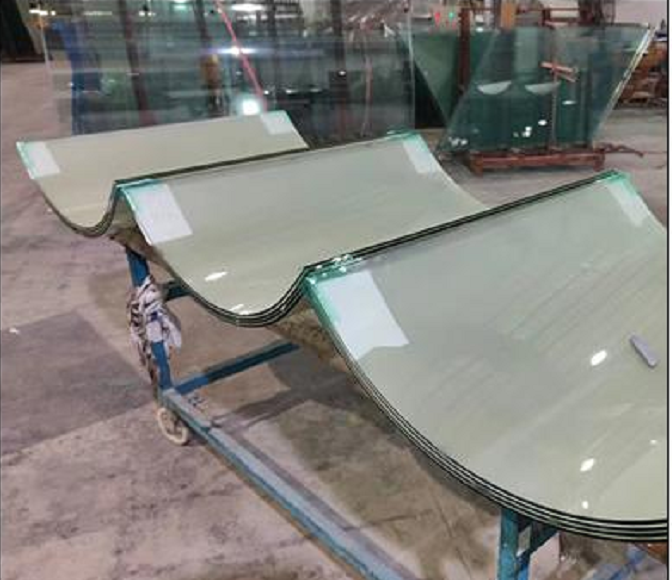
Stop Your Glass From Shattering During Tempering
Working with glass is a balancing act. You’ve got to get it hot, then cool it down, but if you move too fast or the temperature jumps too sharply, the whole thing just snaps. It’s frustrating, expensive, and a total waste of time. That’s why we lean on shortwave infrared (IR) lamps. They let us handle “instant tempering” without the panic of thermal shock.
Why Regular Heaters Just Don’t Cut It
Here’s the problem with standard heating elements: they’re too bulky. They hold onto heat like a brick, so even after you flip the switch off, they keep pumping out warmth. In the glass world, that lag is a disaster. Shortwave IR is different. It uses radiation, so the heat hits the glass almost the second you turn it on. But the real magic is how fast it stops. By using a thyristor or SCR controller, you can throttle the power in milliseconds. The moment the current drops, the heat stops. It’s that level of precision that keeps your glass in the “safe zone” and out of the scrap bin.
Getting the Hardware Right
To actually get rid of the internal stress in the glass, you need a lot of heat in a small space. We use lamps with a high wattage-to-length ratio and quartz envelopes so they can run scorching hot without failing. One quick heads-up: don’t cheap out on your power supply. These lamps switch on and off incredibly fast. If your system isn’t built for that kind of rapid cycling, you’re going to burn through your contactors faster than you can replace them.
The Trade-off (Because Nothing Is Free)
High-intensity IR is fast. It’s efficient. But it’s also a beast when it comes to heat. While the lamps are saving your glass from cracking, they’re blasting your machine frame with radiant heat. If you don’t have your ventilation or water-cooling jackets dialed in, your housing will turn into an oven. Keep an eye on those ambient temperatures. If the housing gets too hot, your filaments will burn out way too soon, and you’ll be swapping lamps a lot more often than you’d like.