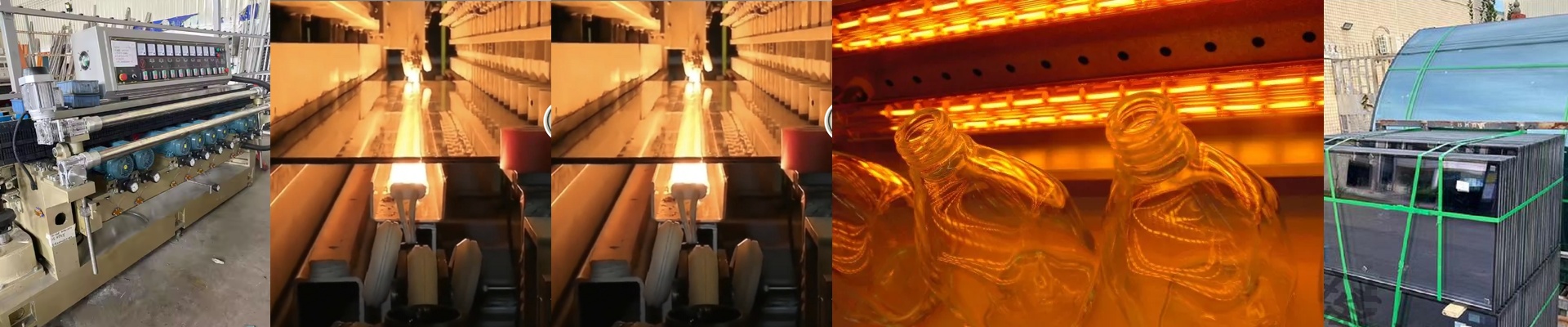
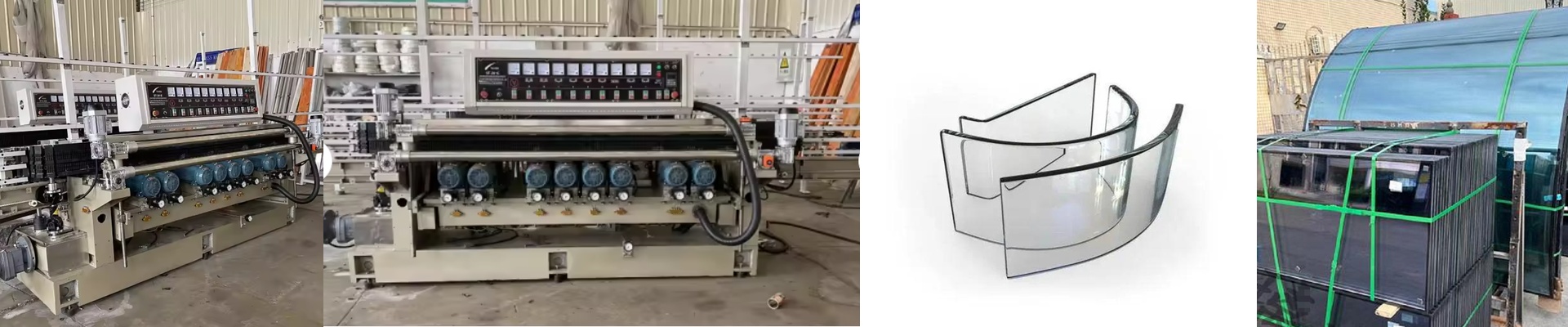
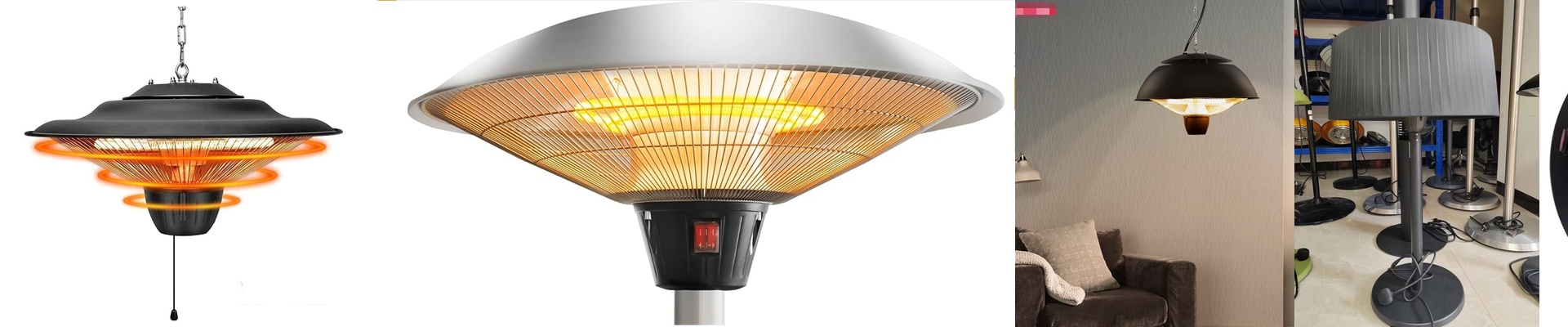

Out on the line, a hydrophobic coating is only as reliable as the drying that follows it. If your heat is uneven or too slow, you’ll start seeing micro-cracks, pinholes, and adhesion failures that don’t show up until tempering and lamination. Yield drops, and you’re burning energy on scrap you could have avoided. What actually matters, technically We set this hydrophobic coating dryer up around near-infrared (NIR) quartz heating, tuned for fast, volumetric energy delivery. The module runs on 380/400 V three-phase, drops straight into existing conveyor lines, and holds a stable thermal field across the glass surface. Response is quick—seconds, not minutes—so the heat window stays tight. Control is repeatable, too: setpoint accuracy within ±2 °C, with closed-loop feedback from surface sensors. That precision keeps the coating curing without pushing the substrate too hard. Why it holds up in real glass processing On the floor, you need drying that keeps pace with tempering and bending without forcing the glass to soak. NIR puts energy directly into the coating layer, cutting down on convection and lowering the risk of thermal stress. You end up with fewer rejects from stress fractures, and more consistent hydrophobic performance across the sheet. Energy use drops because the heat is only on when glass is under the lamp, and the fast ramp-up supports higher throughput without building inventory. If you’re running EVA, SGP, or PVB stacks, this also makes the pre-lamination thermal profile easier to manage. What you need to keep in mind Installation is straightforward, but alignment is where people get tripped up. The lamp array has to be parallel to the glass plane, and the focal distance has to match your product thickness range. Expect a short commissioning window to dial in speed, power, and dwell time for your specific coating formulation. One constraint: the dryer is optimized for flat or gently curved parts—deep bends need a custom fixture to keep exposure uniform. Plan the changeover, and you’ll get stable results shift after shift.
קו הייצור: ציפוי הידרופובי אמין רק כלפי ייבושו. אם החימום לא אחיד או איטי מדי, יופיעו סדקים מיקרוסקופיים, נקבים וכישלונות בהיצמדות שלא נראים עד לשלב ההקשחה והלמינציה. התפוקה יורדת, ואתה מבזבז אנרגיה על פסולת שניתן היה למנוע. מה שחשוב באמת, מבחינה טכנית התקנו את מתקן הייבוש לציפוי הידרופובי סביב חימום קווארץ בתדר תת-אדום קרוב (NIR), מכוון להעברת אנרגיה מהירה ונפחית. המודול פועל על 380/400 V שלושה שלבים, משתלב ישירות בקווי ההובלה הקיימים, ושומר על שדה תרמי יציב על פני שטח הזכוכית. התגובה מהירה—שניות, לא דקות—כך שחלון החום נשמר צמוד. השליטה גם היא חוזרת על עצמה: דיוק נקודת ההגדרה בטווח ±2 °C, עם משוב בלולאה סגורה מחיישני שטח. הדיוק הזה מאפשר ריפוי הציפוי מבלי להעמיס על תת-הבסיס. למה זה מחזיק מעמד בעיבוד זכוכית אמיתי במפעל דרוש ייבוש שמתאים לקצב ההקשחה וכיפוף, מבלי לגרום לזכוכית לספוג חום יתר. NIR מכניס אנרגיה ישירות לשכבת הציפוי, מצמצם את ההולכה הקונבקציונית ומפחית את הסיכון למתח תרמי. התוצאה היא פחות פסילות עקב סדקי מתח, וביצוע הידרופובי עקבי יותר על פני הגליון. צריכת האנרגיה יורדת כי החימום מופעל רק כשהזכוכית תחת המנורה, והעלייה המהירה בתדר תומכת בקצב ייצור גבוה יותר ללא הצטברות מלאי. אם מפעילים ערימות EVA, SGP או PVB, זה גם מפשט את ניהול הפרופיל התרמי לפני הלמינציה. מה צריך לזכור ההתקנה פשוטה, אך היישור הוא המקום שבו יש טעויות. מערך המנורות חייב להיות מקביל למישור הזכוכית, ומרחק המיקוד חייב להתאים לטווח עובי המוצר. יש לצפות לחלון הפעלה קצר לכוונון מהירות, הספק וזמן שהייה בהתאם לנוסחת הציפוי הספציפית. מגבלה אחת: המייבש מותאם לחלקים שטוחים או מעוקלים בעדינות—כיפופים עמוקים דורשים מתקן מיוחד לשמירת חשיפה אחידה. תכנן את המעבר מראש ותקבל תוצאות יציבות משמרת אחרי משמרת.