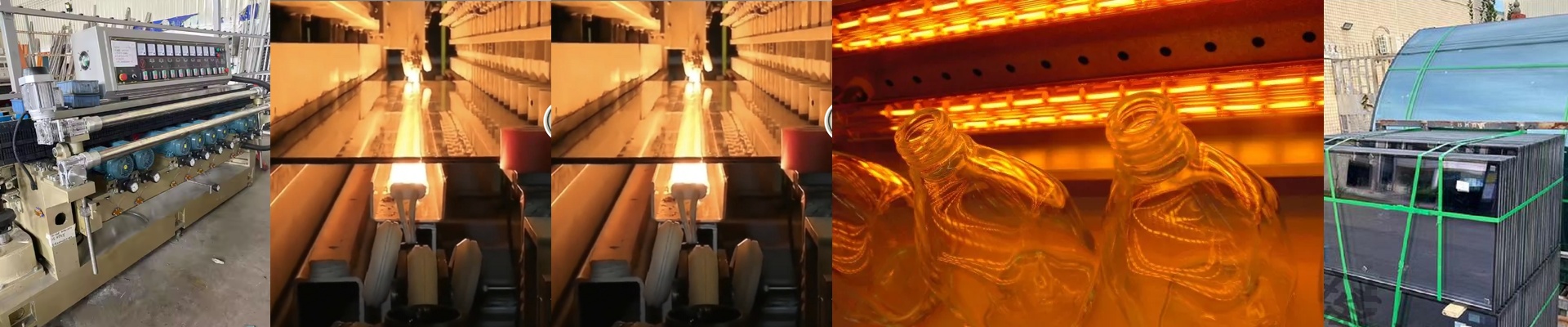
Out on the line, you don’t get to argue with coating cure time. If the heat profile drags, solvents stay trapped, adhesion specs fall short, and the whole batch is suddenly at risk. We built our rapid drying around that hard fact: short-wave NIR emitters that put controlled radiant energy straight into the coating, not the air. The film hits cure temperature fast, and the glass stays thermally stable.
What matters under the hood
我们采用短波NIR,其紧凑的光谱输出与涂层吸收特性相匹配。能量直接传递到涂膜内部,而非散失至炉体或输送带,从而实现快速升温且热惯性低。这使得保温时间更易把控,整体周期得以缩短。功率和区域布局可按需扩展,确保匹配生产线速度及玻璃厚度,避免过温或不足。输出在长时间运行中保持稳定,发射器设计保证玻璃宽度方向的温度分布具有可重复性。
Why this plays well across glass processes
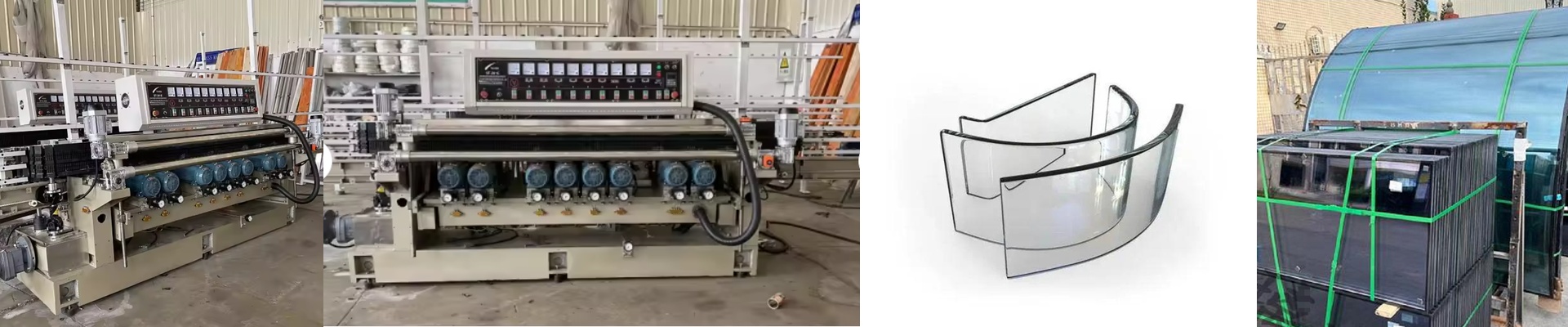
该方案满足玻璃工艺中常见的四项加热要求。钢化与弯曲工艺中,可实现快速预热,有助于控制玻璃下垂一致性并降低热应力。夹层工艺(EVA、SGP及PVB)中,加快保温阶段而不损伤边缘密封,提高光学性能并缩短压制周期。涂层工艺中,缩短干燥时间,降低橘皮、针孔和附着力缺陷风险。隔热玻璃生产线上,支持密封胶固化均匀,提升边缘完整性及长期耐候性。
A few practical notes
NIR干燥为直视加热,几何形状和间距影响加热均匀性。金属夹具反射热辐射可能导致加热不均,需在集成阶段规划好区域布局和遮蔽。系统按照生产线尺寸设计,最佳效果依赖发射器阵列、输送带公差和控制反馈从第一天起的协同一致。