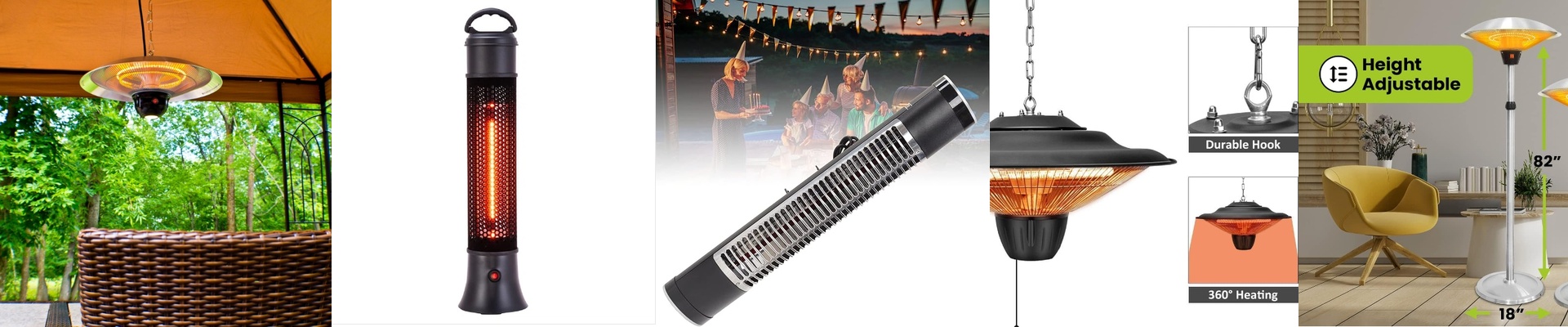
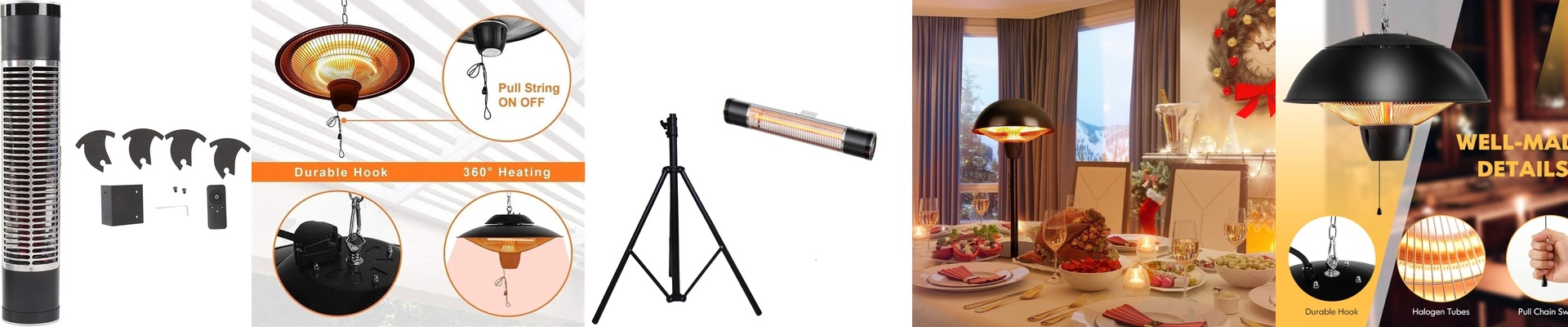
On a cold morning, staff crowd near the doorway, stiff and slow. Warm air from conventional heaters feels thin and quickly fades. When the heat never quite reaches the body, comfort drops—and so does productivity.
What matters under the hood
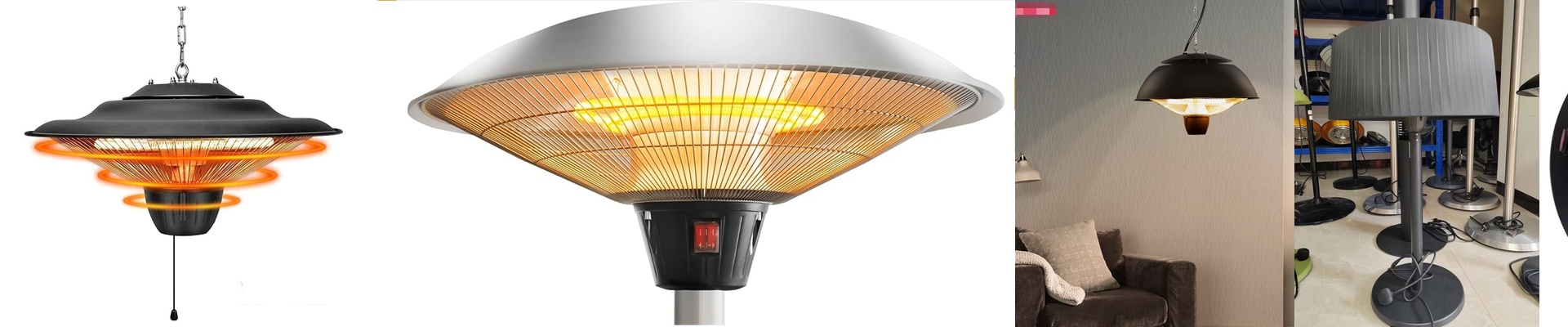
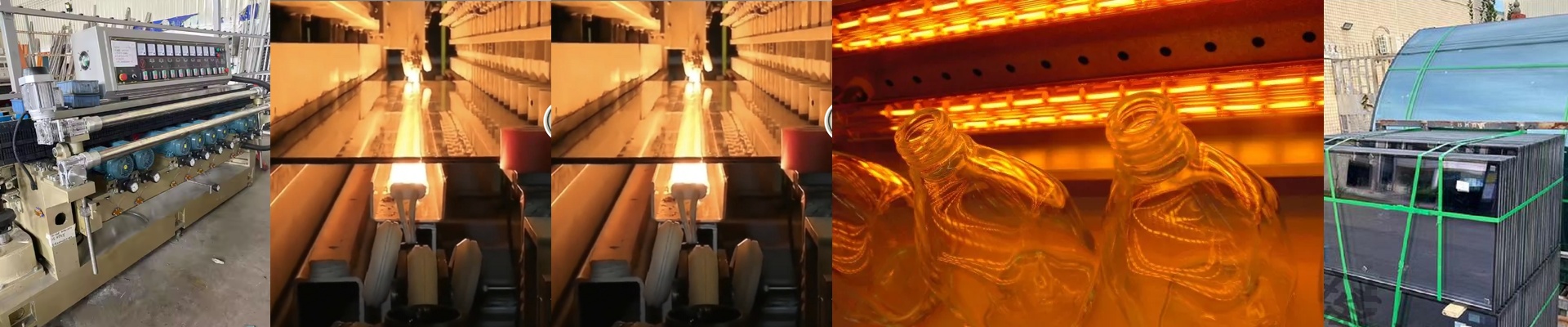
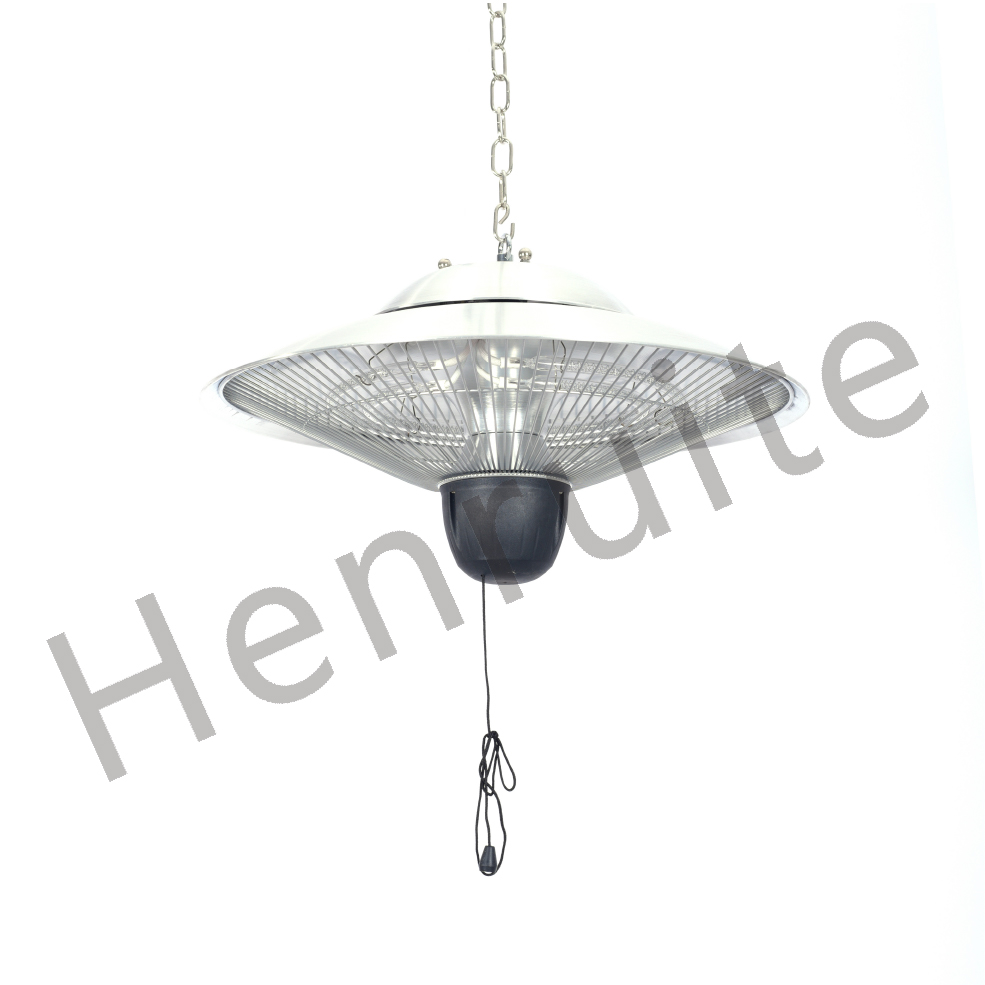
We design our commercial electric heaters around infrared technology—the same kind of radiant warmth you feel from the sun. A high-output quartz element throws short-wave infrared energy, heating people and surfaces directly, not the air. You get immediate, even warmth that genuinely feels like standing in a sunbeam. The unit runs on standard 240V power, with sealed housing and an IP rating suitable for covered outdoor areas. It comes up fast, runs without fan noise, and the focused beam pattern keeps the warmth where you want it.
Why it fits real-world spots
In workshops, on patios, and in waiting areas, this radiant approach hits the actual problem: cold surfaces and that deep chill that settles into muscles and joints. The sun-like warmth penetrates, helping ease stiffness and cut down on fatigue. People relax sooner, move more comfortably, and stay longer. Because the heat is directional and instant, you don’t get the drafty swings you see with forced-air systems. You also keep energy use sensible, since you’re heating people, not the empty space around them.
What to keep in mind
Infrared heaters do their best work up close—typically within 6 to 8 feet—so placement matters. Keep the beam centered on seating or work zones, and keep obstructions out of the way. For steady comfort, pair the heater with a thermostat. Keep in mind that infrared warmth feels natural, but it doesn’t warm the air itself. In very windy or fully open spaces, supplemental air-side heating can help.