Technical Deep-Dive: Power and Geometry
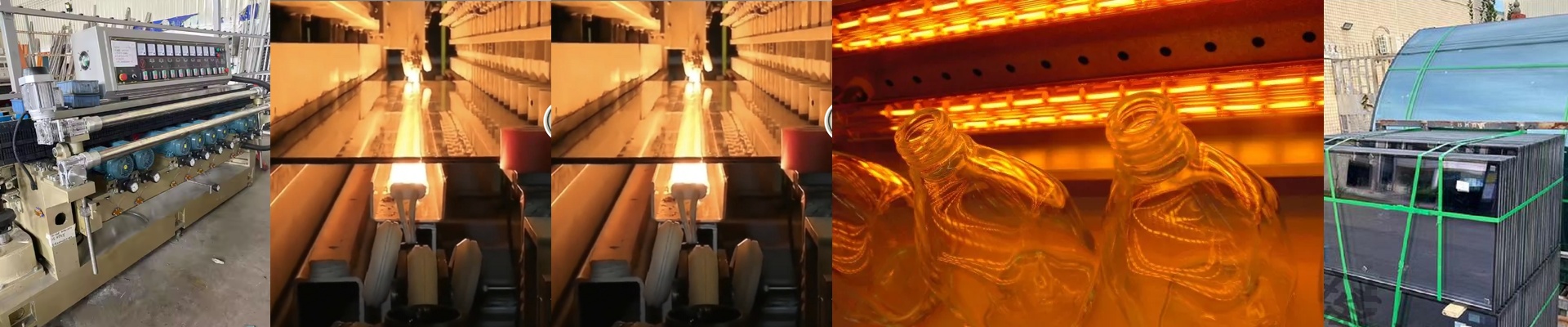
Here’s the thing about the flame effect heater: it’s built around a 400V, 2500W halogen infrared tube that’s 300mm long. That 400V rating? It keeps the current down for the wattage you’re running. Less current means less voltage drop along the line, so you can use thinner wires in the machine’s harness. And that 2500W? It packs a serious punch in a small space. The heat comes on fast, which is exactly what you want when you need quick thermal cycles. The 300mm length fits right into standard flame-effect setups, giving you a tight, focused heat zone without wasting room.
Material and Design: Halogen, Coating, and Connectors
Inside, you’ve got a quartz envelope filled with halogen gas. This lets the filament run hotter and cleaner, so the output stays steady over the life of the lamp. The shortwave infrared coating focuses the energy into a narrow band, which means your target surfaces soak it up better. And the connectors? It uses an R7s termination—that double-ended linear cap with pins—so you can wire it straight in as a drop-in replacement in any fixture that takes that standard.
Application and Practical Trade-offs
This setup is made for industrial flame-effect heating, where you need heat that’s fast, controllable, and concentrated. The high wattage and shortwave output get you up to temperature in no time. But—and this is important—that intensity also means the surrounding parts feel the heat. So plan for proper cooling and clearance. The tube runs hot, and your fixture needs to be rated for that kind of environment. If you run it at full voltage without managing the heat, you’ll see the service life shrink.