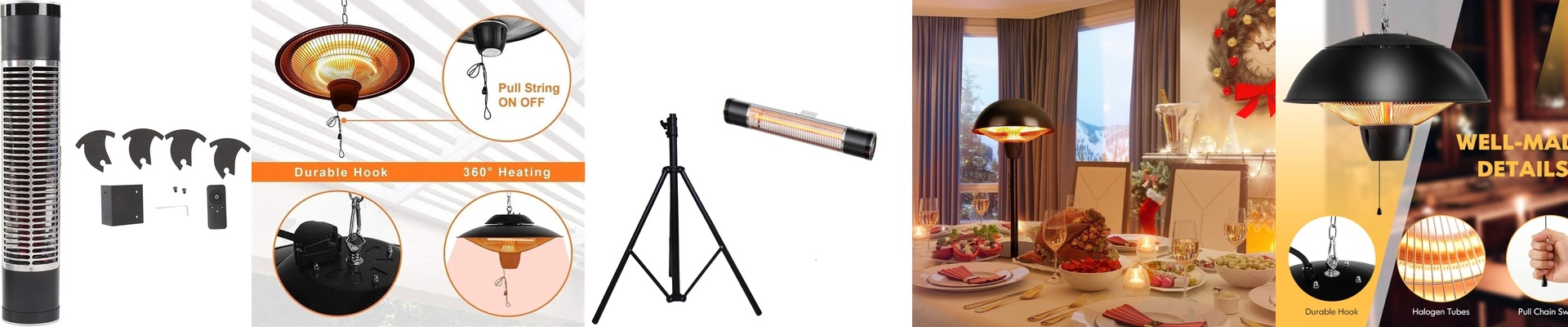
Out on the annealing line, a heater that lags or runs uneven doesn’t just cost you time—it loads the glass with thermal stress that shows up as micro-cracks, optical distortion, and whole batches that get scrapped. We built this annealing heater for the way the line actually behaves, where repeatability and response time translate straight into yield.
What actually matters under the hood
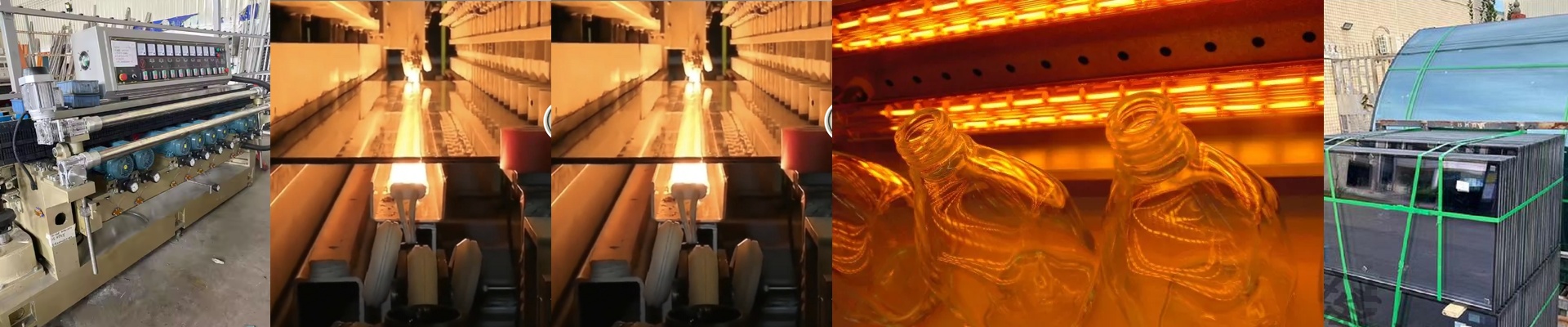
It leans on short-wave quartz infrared elements to put the heat right into the glass, fast, with far less dependence on convection. Start-up is quick: the quartz tube hits 650°C from ambient in 12 seconds. Across the active heating zone, we hold temperature uniformity within ±3°C, so the whole lehr section gets consistent heat without cold spots. Power density is tuned to 35 W/cm² to match typical annealing profiles without overshoot, and the heater holds steady output cycle after cycle.
Why it plays well in annealing
Annealing is mostly a timing game. You need the glass soaked at the right temperature long enough to knock the stress out, then cooled under control. With a fast ramp and tight uniformity, you can run tighter schedules without flirting with thermal shock. In practice, that means more throughput at the same belt speed, fewer sheets coming back for rework because of edge stress, and less downtime chasing temperature drift. Energy use drops, too, because the heater hits setpoint quickly and stays there—no wasted over-ramping.
What to keep in mind on the floor
This is designed as a direct-fit module for standard lehr banks, but alignment and mounting tolerances really matter. If the glass path isn’t centered on the hot zone, uniformity starts to drift. Plan for clean, repeatable mounting, and verify the emissivity of the glass you’re running—reflective or low-emissivity coatings change how the glass absorbs heat. The quartz elements are dependable, but in high-cycle plants, treat them as consumables and keep spares on hand for quick changeover.