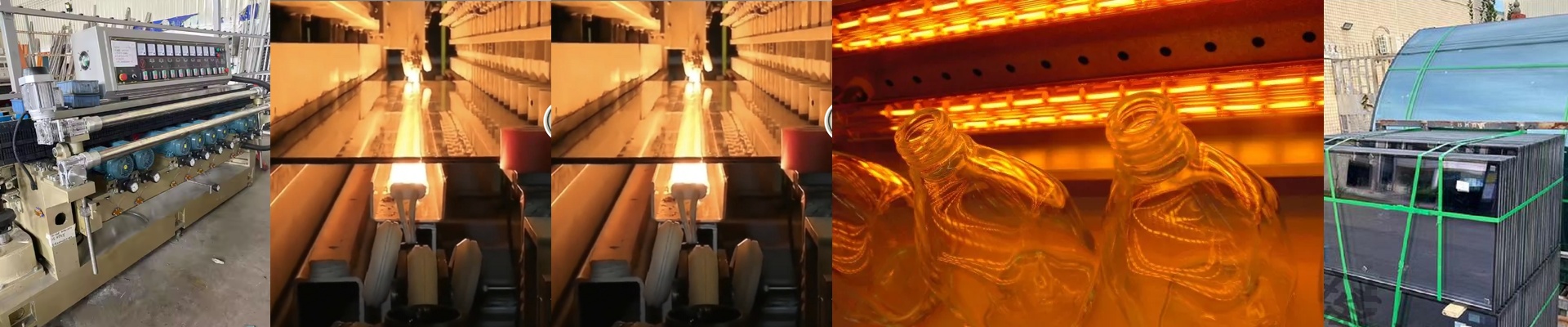
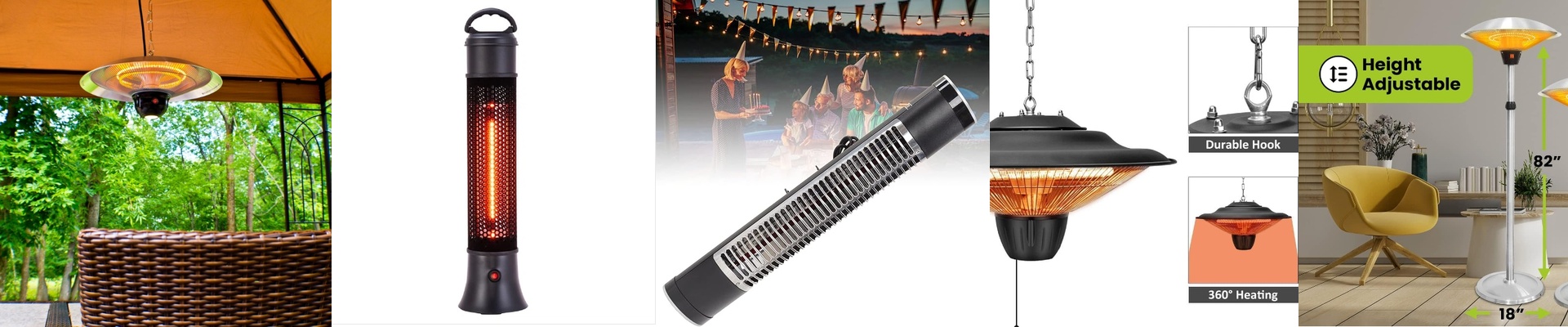
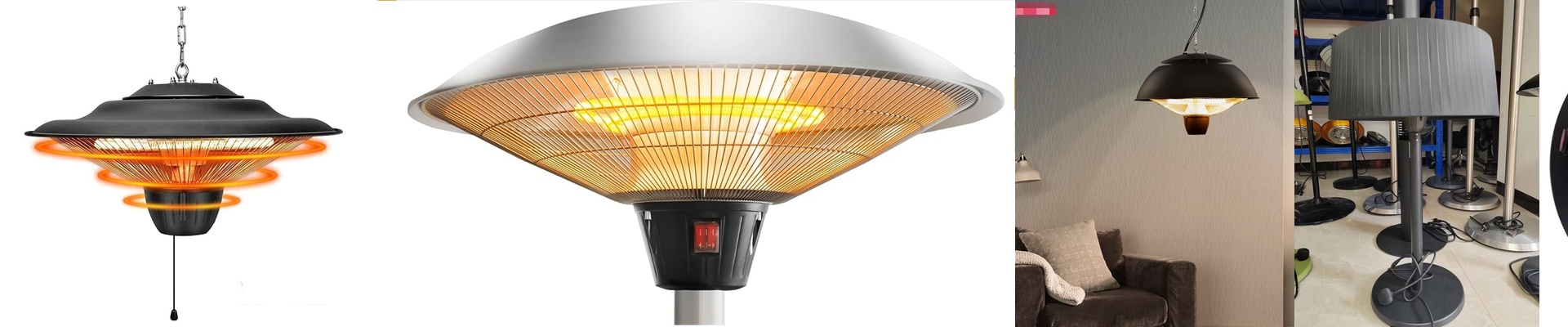
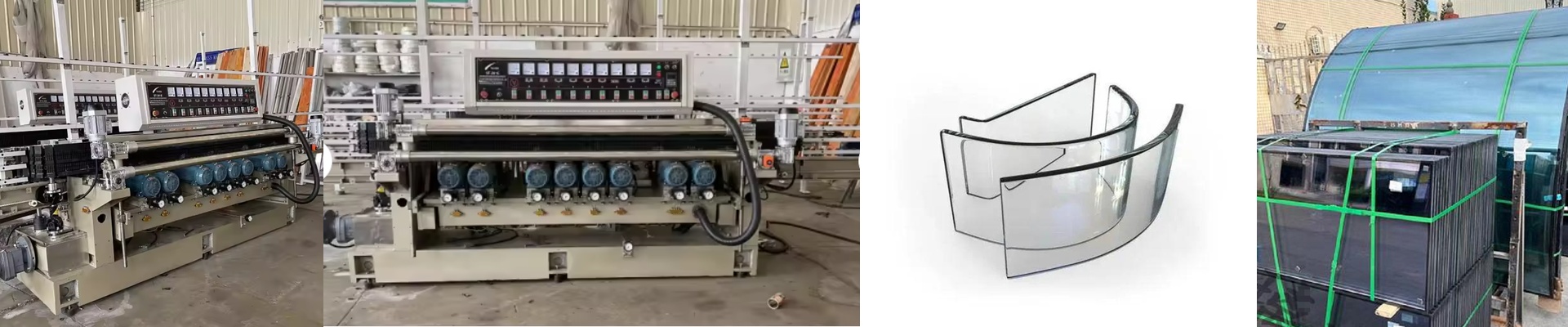

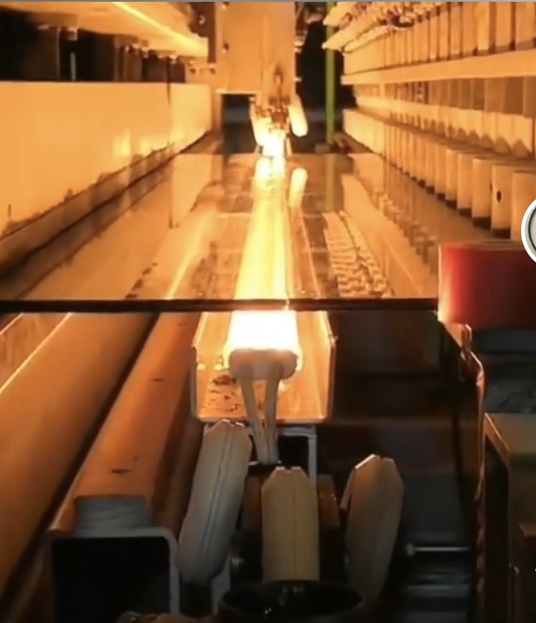
On the line, seconds and thermal stress are the only constants. You’re running tempering furnaces, bending ovens, lamination presses, and coating lines—and the heating step is where yield, safety, and cycle time get decided. If preheat is slow, uneven, or drifts even a little, you pay for it in scrap: edge waves, optical distortion, spontaneous breakage, and adhesion defects. Rapid preheating for glass isn’t about hitting a temperature. It’s about hitting it fast, holding it even, and repeating it shift after shift. We build rapid preheat modules the way the shop floor needs them—designed around the realities of glass processing. Emissivity shifts with the coating. Convection creates hot and cold pockets. And a stable thermal profile is the difference between first-pass yield and a pile of rework.
What actually matters, technically
In a glass plant, rapid preheating comes down to three fundamentals: heat-up rate, temperature uniformity, and repeatability under load. We lean on short-wave infrared (SWIR) and medium-wave infrared (MWIR) electric radiant heating because glass and functional coatings absorb energy efficiently in those bands. You get direct energy transfer without wasting heat on heating the surrounding structure, so the glass surface gets to setpoint quickly and cleanly. The specs are chosen to fit real processing windows:
- Heat-up rate: Preheat ramps of 3–8°C/s are typical, depending on thickness and line speed. Thin glass (2–4 mm) can take a faster ramp; thicker stacks (8–12 mm) need a more controlled climb to keep thermal shock under control.
- Temperature control: Closed-loop control with thermocouple feedback keeps the heating zone within ±3°C of setpoint, so the thermal profile stays stable across the pane.
- Uniformity: Zone-controlled heater layouts and reflector geometry cut down lateral temperature spread, which helps prevent uneven expansion and stress concentrations.
- Power and voltage: Modules are built for industrial supply—commonly 240 V and 480 V configurations—so they drop into existing electrical panels without rewiring the whole line.
- Installation footprint: Compact form factors and standard mounting centers allow drop-in replacement into existing ovens, furnace preheat zones, and lamination heating platens.
- Durability: Quartz envelopes and high-temperature ceramic insulators keep the heater stable through repeated thermal cycling, with field experience showing stable output over thousands of hours. These numbers matter because they show up directly on the glass: predictable sag in bending, repeatable nucleation and quench response in tempering, and uniform adhesion in lamination.
Why this approach fits the processes
Tempering. Preheat sets the table for the quench. When preheat is slow, the furnace spends time trying to catch up, and the glass hits the quench with uneven temperature. That shows up as variable surface compression, bow, and optical distortion. A fast, controlled preheat shortens the soak window and tightens temperature distribution across the pane, so the quench gives you consistent stress, consistent break pattern, and fewer rejects. Bending. Bending ovens live on repeatable sag. If preheat lags, operators stretch the cycle to get the same bend, and the glass sits longer at high temperature. That raises the risk of devitrification and optical defects. Faster preheat brings the glass to working temperature quickly, shortens the oven cycle, and cuts down temperature-induced distortions. The result is higher throughput without giving up shape accuracy. Lamination. In EVA, SGP, and PVB lamination, the film has to hit flow temperature fast and evenly. Slow preheat creates a temperature gradient across the ply, and that means trapped air, poor edge bond, and visual defects. Rapid preheat cuts the time from load to press, improves film flow, and keeps the cycle consistent batch after batch. Fewer voids, better edge quality, less trim loss. Coatings and insulating glass. Coated glass heats differently than clear glass because emissivity changes. Preheat modules can be tuned to deliver energy the coating actually absorbs, which helps avoid hot spots that can alter coating properties. For insulating glass assembly, faster preheat on the primary seal helps maintain a consistent seal line temperature, reducing adhesion variability and shortening the time from assembly to secondary seal. Energy use is a practical issue, not a talking point. Electric infrared heating puts energy where it’s needed—on the glass—instead of heating large volumes of air. In production, that shows up as lower kWh per pane, less waste heat in the plant, and easier thermal management around the work area.
The details you’ll want to get right
Rapid preheating integrates cleanly, but it still needs the usual shop-floor attention.
- Match the ramp to the pane: Thin glass can crack if the ramp is too aggressive. Start conservative, then increase only after you validate with your thickness and coating stack.
- Emissivity is not optional: Low-e and reflective layers change absorption. Use zone control and emissivity-aware tuning so uniformity holds across different products.
- Check the fit: Most lines can take a drop-in upgrade, but verify mounting dimensions, clearances, and electrical connections. Existing thermocouple placement may need adjusting to match the new heating zone geometry.
- Plan for heat management: The module runs hot, and nearby components feel it. Keep adequate clearance, ensure airflow, and shield sensitive instrumentation from radiant heat.
- Tune the controls: Fast heating demands tight control. Expect a short commissioning period to dial in PID parameters and ramp profiles for your specific product mix. Out on the floor, the point isn’t speed for its own sake. It’s predictable heat—delivered fast—so the line keeps moving and the glass comes out flat, clear, and strong. If scrap climbs when preheat drags, or if cycle time is held hostage by how long it takes the glass to come up to temperature, upgrading the preheat module is a straightforward engineering move that pays off in yield, uptime, and energy use.