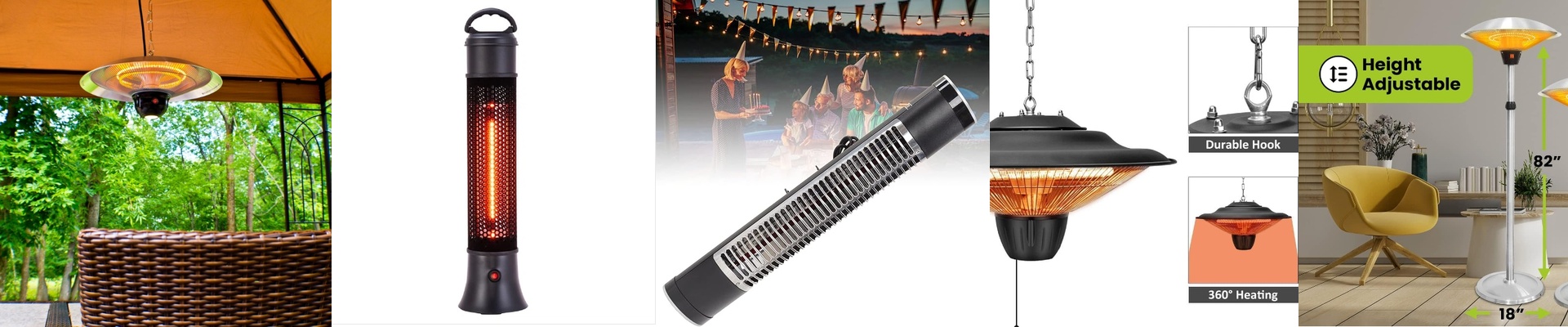
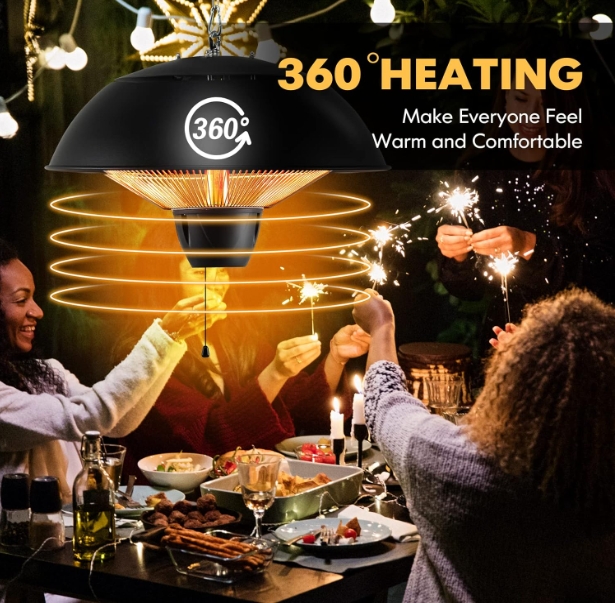
Step out of the shower and the air hits you. That cold snap isn’t just uncomfortable—it turns toweling off into a chore and leaves the mirror fogged while you wait for the room to catch up. In a bathroom, heat needs to show up fast, hold steady, and keep doing its job through daily steam.
What matters under the hood
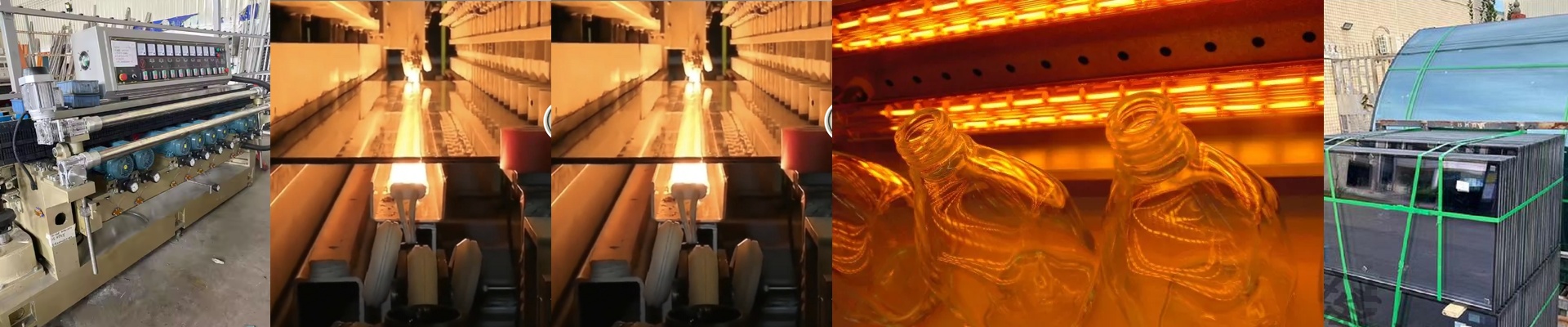
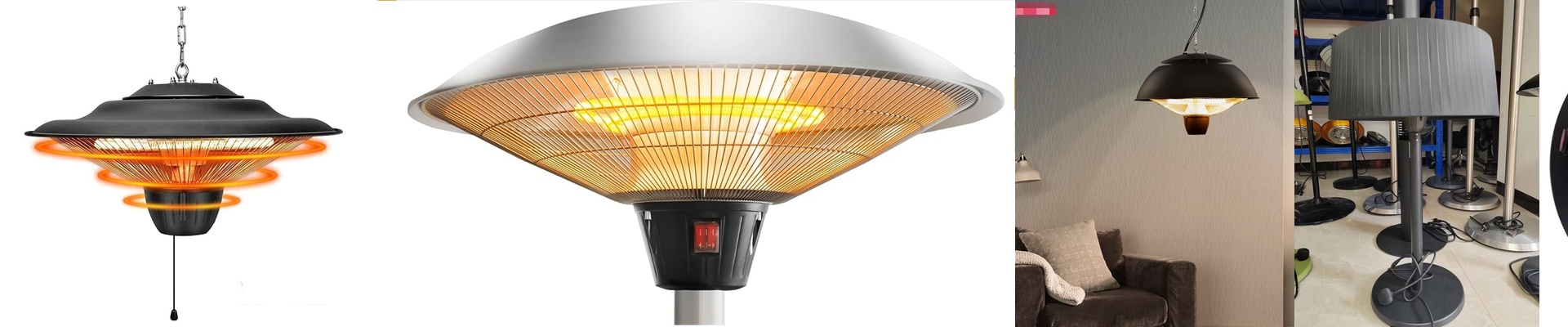
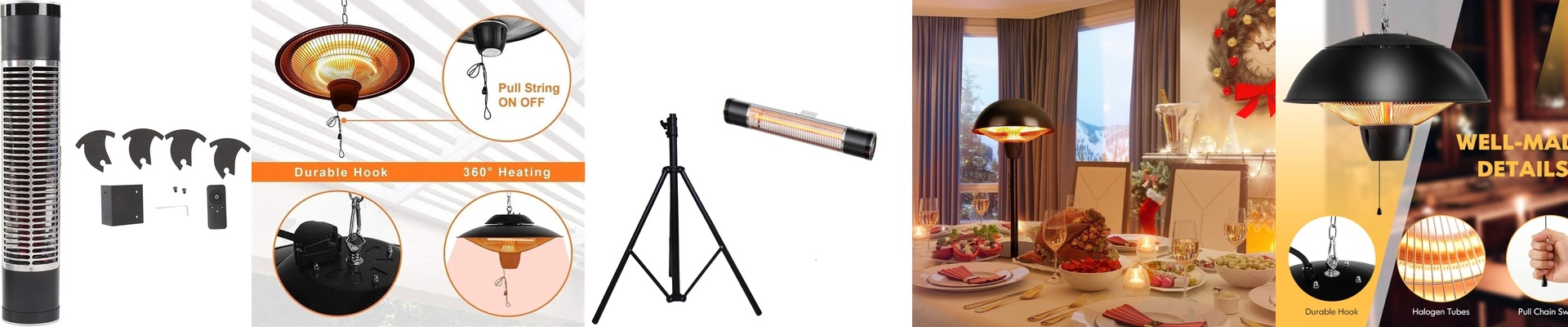
We build our bathroom infrared heaters around a convector design. It pulls cooler air near the floor, runs it across a high-efficiency element, and pushes it back out as even warmth. The payoff is wall-to-wall comfort, not a hot spot in one corner. Then we add infrared for immediate radiant heat—so you feel warmth the instant the unit is on. The housing is sealed, and the internal components are corrosion-resistant. From there, every unit goes through prolonged湿热 aging tests—repeated high-temperature, high-humidity cycles that mimic years of steam exposure.
Why this approach holds up
Bathrooms are hard on heaters. Standard finishes can dull, connections can corrode, and performance can drift over time. By aging-testing every bathroom infrared heater, we cut down the risk of sudden failure, uneven output, or a shortened life. The result is a space that warms quickly, holds a stable temperature, and stays reliable shower after shower. Less waiting. Fewer interruptions. A bathroom that feels welcoming, morning and night.
What to keep in mind
Bathrooms are wet by design, so protection and placement matter. Use models rated for the zone you plan to install, and follow local wiring and clearance requirements. Keep the unit out of direct water spray, and make sure the thermostat has enough airflow to read the room accurately. If the bathroom is very small, go with a lower wattage to avoid overheating. In larger spaces, step up to a higher wattage for faster recovery.