

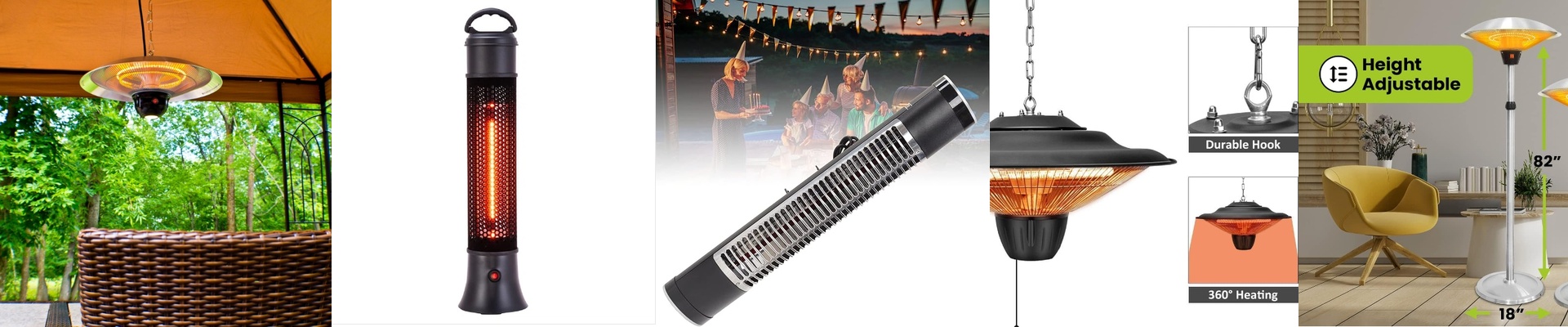
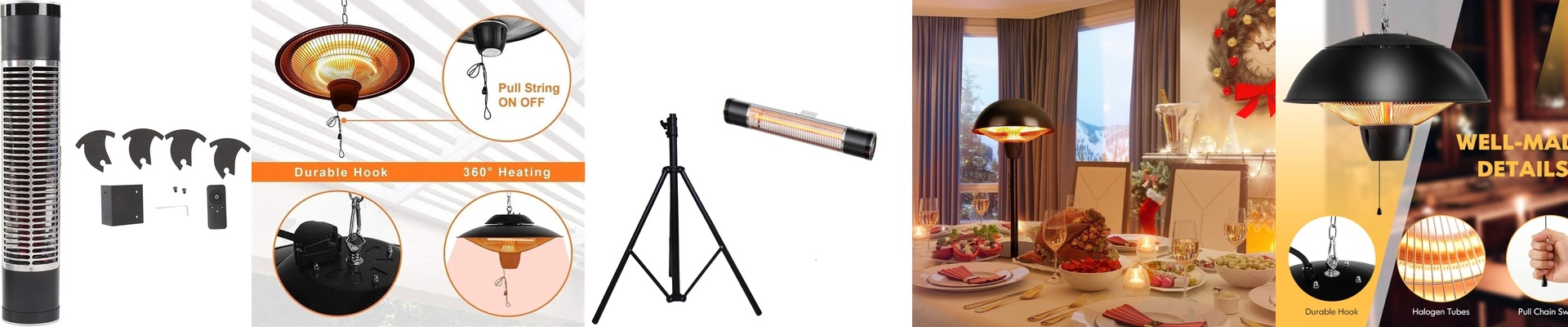
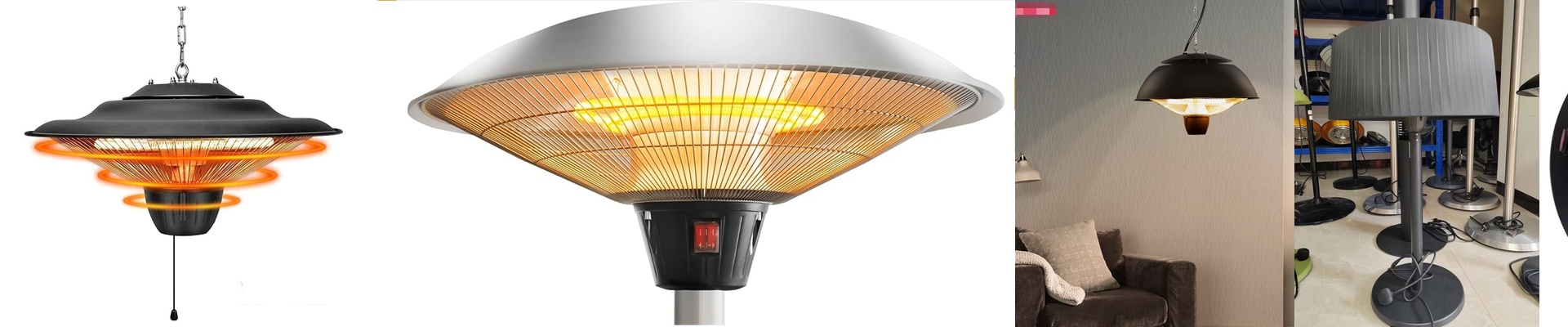
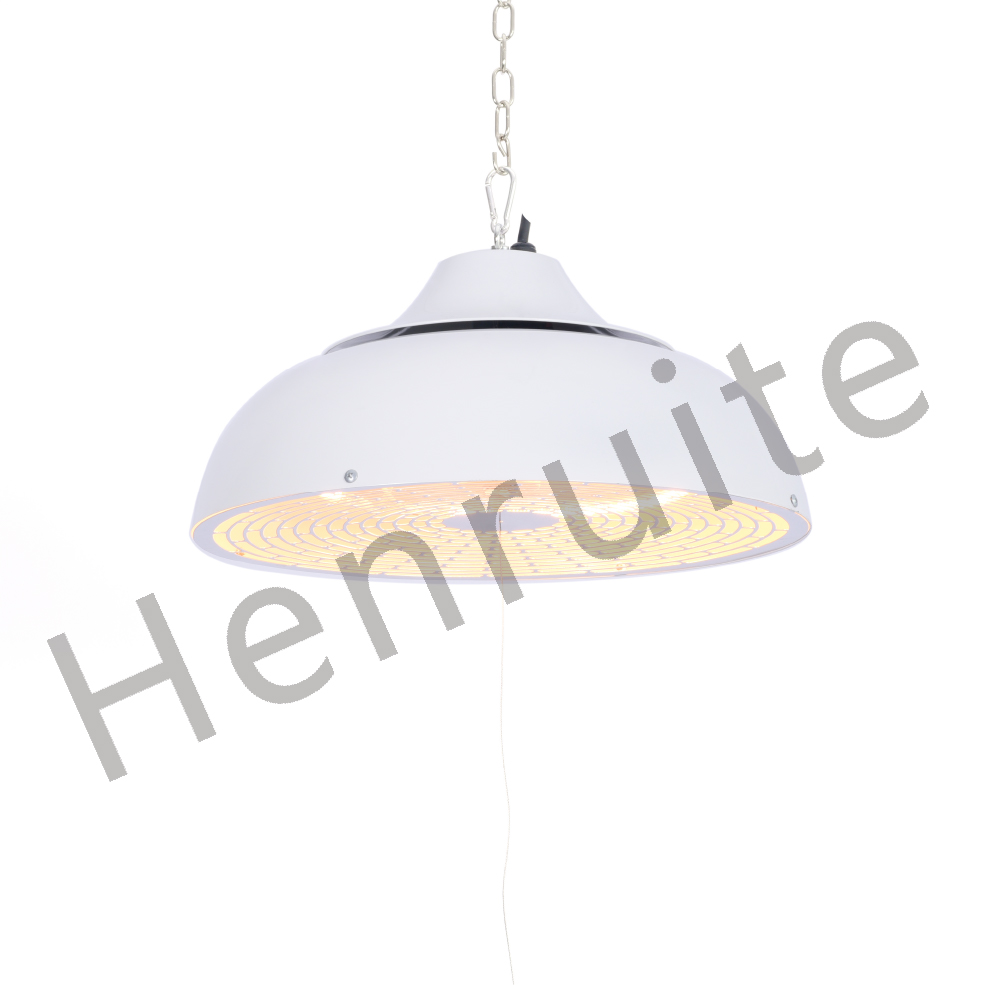
Making Bathroom Heaters Warm, Safe, and Actually Usable
When you’re stepping out of a shower into a cold bathroom, you want heat—and you want it now. But there’s a tricky balance here. You need the room to warm up fast, but you also don’t want a lamp that feels like a heat gun or blinds you the second you flip the switch. The “Blinding Light” Problem Ever notice how some infrared lamps give off that harsh, aggressive glow? It’s annoying, and for kids or babies, it can actually be a bit too much for their eyes. We deal with this by using a special coating on the quartz glass. Think of it like a filter. It blocks out those stabbing UV rays and the bright, visible light, but lets the actual warmth slide right through. You get all the cozy heat without feeling like you’re staring into a spotlight. Keeping the Water Out Water and electricity are a disaster waiting to happen, especially in a steamy bathroom. That’s why we stick to IP65 ratings. In plain English? The housing and seals are tight. They keep dust and stray splashes of water away from the electrical contacts. If a seal leaks, the element arcs, sparks, and dies. Nobody wants that. To make things easier, we use R7s snap-in connectors. It’s a simple swap. You don’t have to tear apart your walls or rewire the whole ceiling; you just pop the old tube out and click the new one in. The Heat Trade-off It’s tempting to just crank up the wattage to get the room hot instantly. But there’s a catch. If you push too much power into a small tube, the glass itself gets dangerously hot. You could actually burn yourself. We spend a lot of time tweaking the voltage and the coil density so the heat radiates outward rather than soaking into the glass. One quick tip:**Keep your reflector clean.**If it’s covered in dust or grime, it traps the heat. That puts way too much stress on the tube and can cause it to crack over time. A quick wipe-down keeps everything running smooth.