Making Your Garden Cozy (Without the Headache)
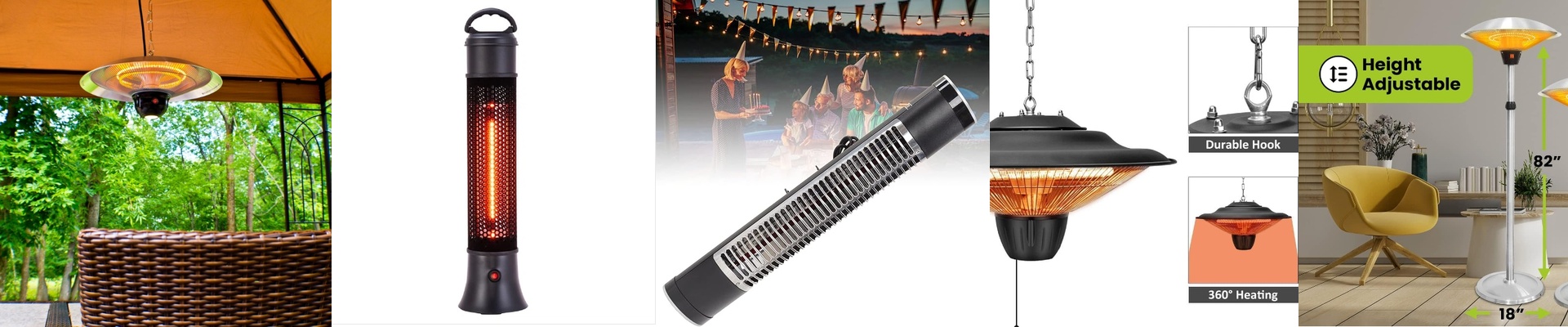
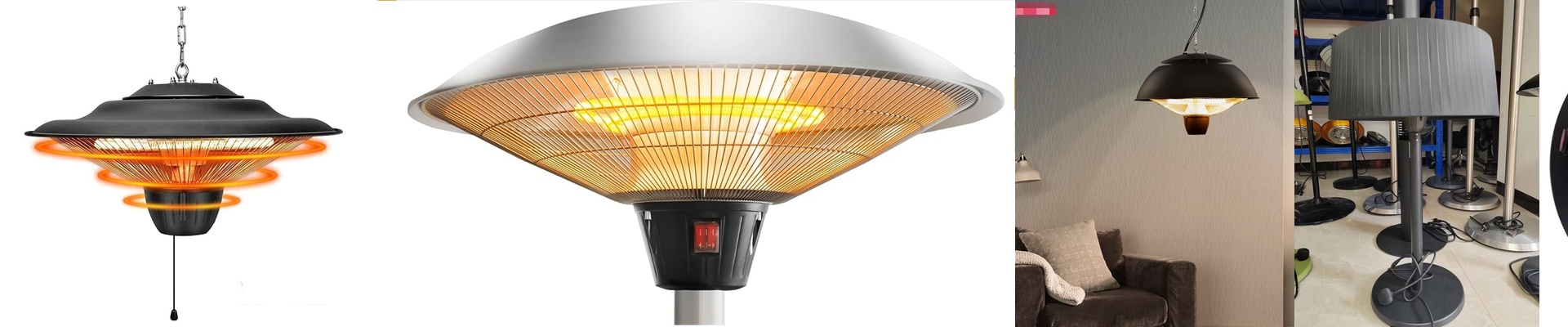
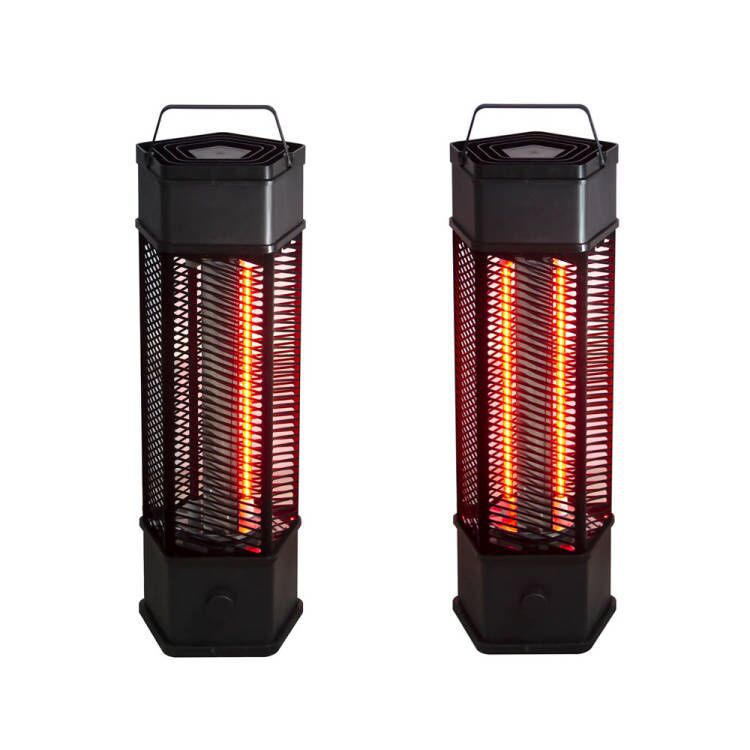
We build our infrared heaters to take a beating. Rain, dust, wind—they don’t care. The goal is simple: you step outside, and you feel the heat immediately. Most heaters try to warm up the air, but in a garden, the wind just steals that warmth and carries it away. That’s why we use infrared. It skips the air entirely and warms you and your furniture directly. It’s the only way to actually stay warm when you’re outdoors.
How the “Smart” Part Actually Works
If you want that “instant spring” feeling in the middle of January, you’ve got to get these things connected. We hook them up to smart home hubs using Zigbee or Matter. It’s pretty basic. You tap an app or tell your voice assistant to turn them on. That sends a little signal to a heavy-duty relay, which flips the switch and sends power to the element. Since there isn’t much bulk to heat up, you aren’t standing around waiting. You feel the warmth in seconds.
The Nitty-Gritty on Gear
When we talk about an IP65 rating, we aren’t just quoting a manual. It means we use real gaskets and housings that won’t rust away the first time it drizzles. Most of these run on 220V-240V, using either carbon fiber or quartz tubes depending on how much heat you actually need. But here is a word of caution:watch your power load. If you put in three 2000W heaters, you’re pulling 6kW. That’s a lot. If your smart relay is too small, it’ll fry. Use a dedicated circuit breaker and thick wiring. Trust me, you don’t want a voltage drop—or a melted wire—right in the middle of a party.
The Trade-offs
Smart tech is great, but it’s not perfect. Networks crash. Wi-Fi drops. If that happens, you don’t want to be freezing just because your router is acting up. That’s why we always put a physical override switch on the unit. It’s a simple “just works” backup. One last thing: keep an eye on where you hang them. More power means more glare. You want your guests to feel toasted, not blinded. Just position them thoughtfully, and you’re good to go.