Why Preheating is the Secret to Clean Glass Cutting
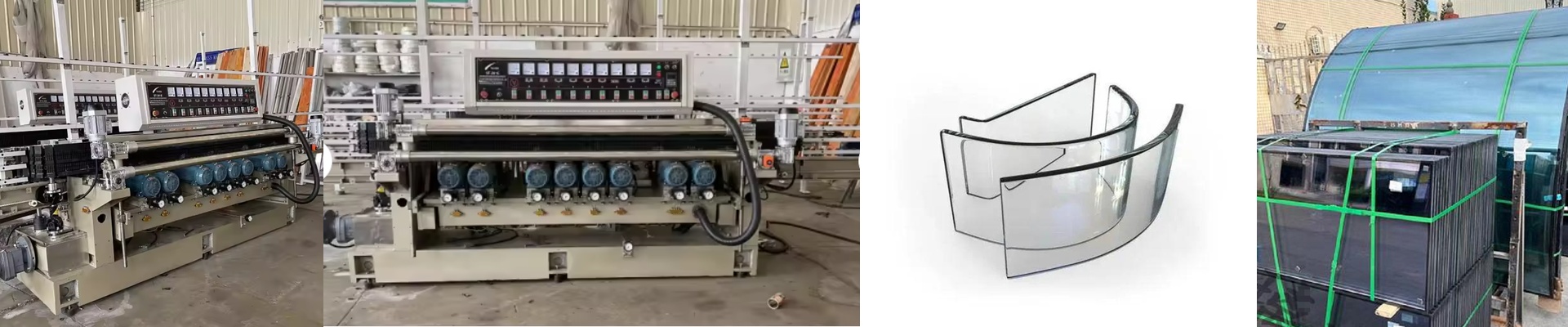
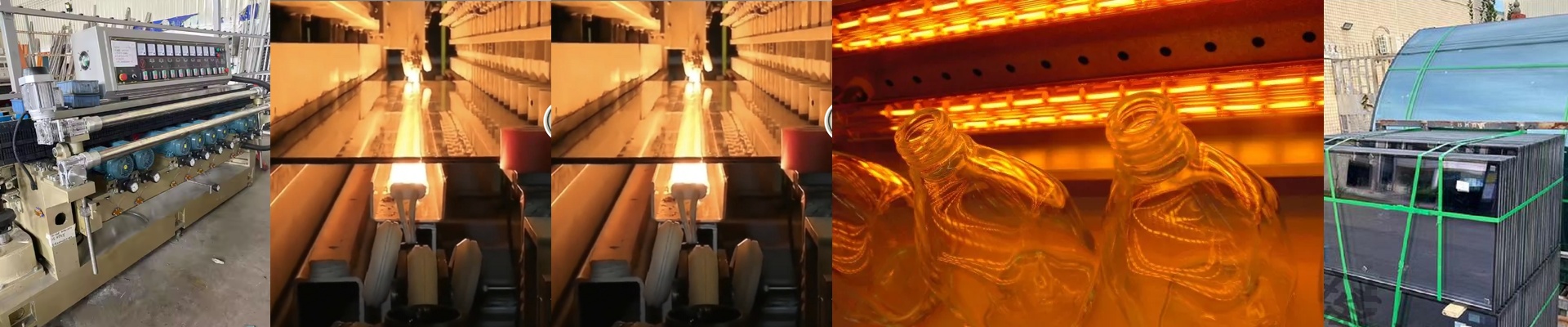
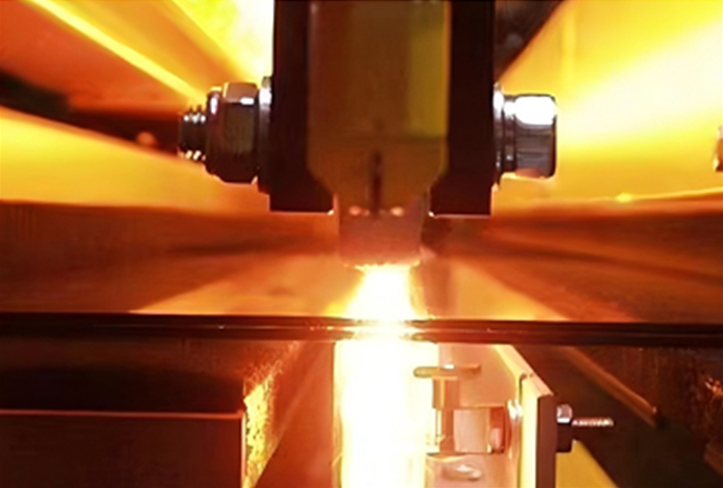
Here’s the thing about cutting glass: if you try to cut it cold, you’re just asking for trouble. The stresses inside the glass are too high, and you’ll end up with chipped edges before the cutter even makes proper contact. We built our gold reflector plate infrared heating lamps to solve exactly that problem. The whole idea is to get ahead of the chipping. By preheating the glass, we soften the surface and even out the temperature right along the cutting line. That way, when the cutting wheel drops, it’s not hitting a shock—it’s hitting a surface that’s ready. The result? A clean, crisp score line and way fewer breakouts.
The Power Behind the Heat
These lamps are all about packing serious heat into a small space. A standard unit runs on 400V and hits 2500W, which means it responds instantly. You get thermal power on demand. The 300mm tube length isn’t random, either. It’s sized to match the width of most cutting machines, so you’re only heating the zone that matters. No energy wasted. That 400V rating? It’s not just for show. It lets you run thinner cables and keeps power delivery stable over longer distances. But yes, it also means your control cabinet needs solid insulation and proper safety clearances. And the 2500W output is tuned to get the glass hot fast—usually in under 3 seconds. In a production line, that speed keeps everything moving.
What’s Inside: Halogen, Quartz, and Smart Details
Inside, you’ve got a shortwave halogen element tucked inside a quartz tube. Quartz is the real hero here—it can handle the shock of rapid on-off cycles without cracking. And that gold reflector plate? It’s not just for looks. It reflects about 95% of the infrared energy back onto the target. That keeps the heat focused where you need it and off the surrounding equipment. We use R7s connectors because they’re secure, built for high temperatures, and easy to wire up on the shop floor. The halogen gas inside helps keep the filament stable, which extends the lamp’s life and keeps output consistent. Just keep in mind—this is a high-intensity lamp. It gets seriously hot, so the fixture around it has to be rated for continuous high heat.
Real-World Results on the Glass Line
On the production floor, this setup slides right in as a replacement for older ceramic or panel heaters. It doesn’t heat the whole machine—just the exact spot you need. You get precise control, quicker warm-ups, and you actually use less energy per cycle. Engineers lean into this because it cuts down on scrap and rework. The lamp delivers even heat, which keeps the edge of the glass pliable right at the moment of scoring. Yes, the lamp runs hot, so you do need to plan for proper cooling and mounting. But when you get it set up right, edge chipping drops dramatically, and your yield stays high.