



A cold garage isn’t just miserable to work in. It drags down productivity, puts extra strain on equipment, and quietly eats away at your energy budget. For commercial property owners, that shows up in operating costs, tenant satisfaction, and ESG reporting. Switch to a purpose-built electric garage heater—built around radiant efficiency—and you turn those losses into gains you can actually measure and manage.
What matters under the hood
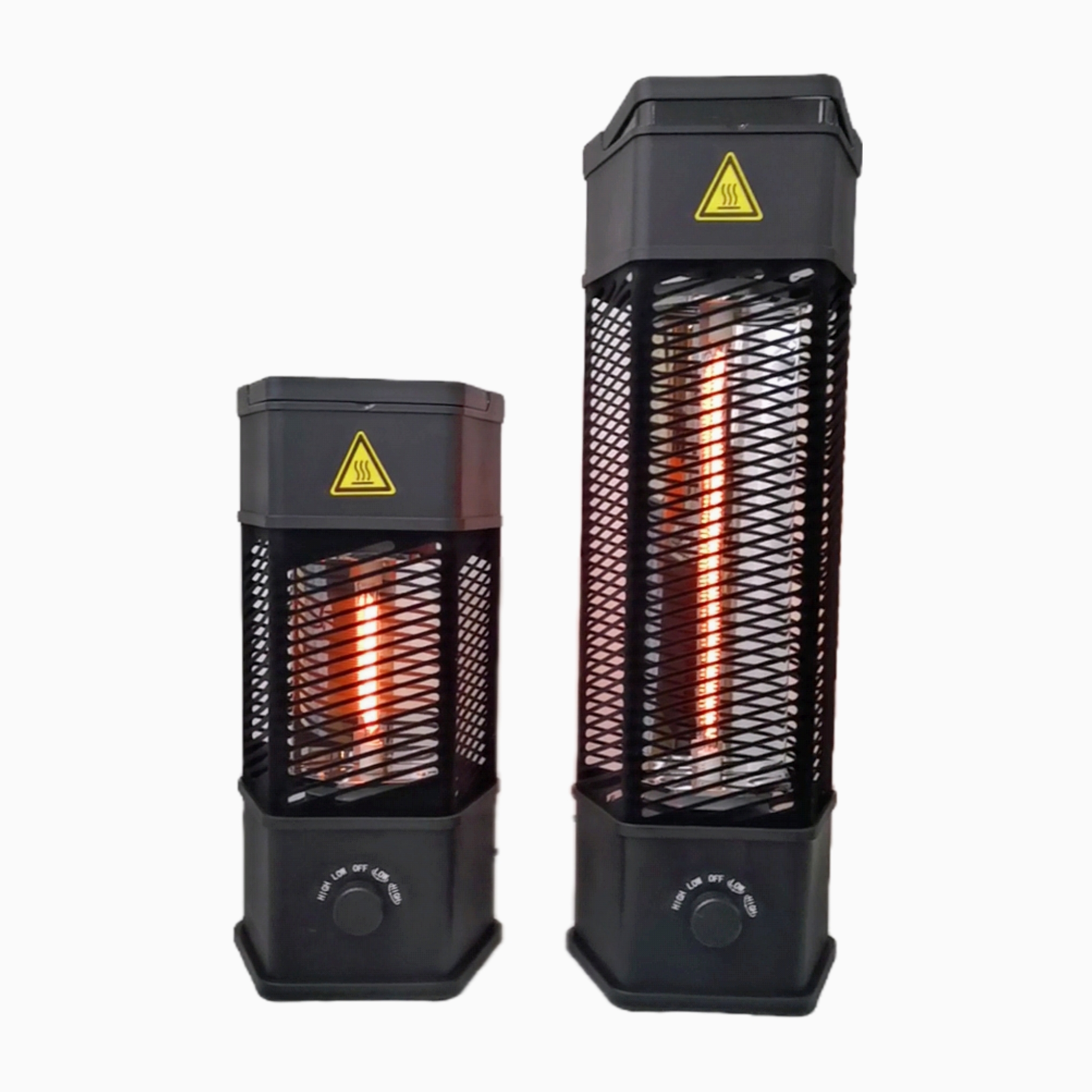
We designed this electric garage heater around infrared radiant heat, so warmth goes straight to people and objects instead of wasting time heating the air first. The core is a carbon fiber element paired with a reflector assembly that pushes more output forward. In practice, you feel the heat within seconds of startup, and you don’t pay to reheat the whole space every time the bay door swings open. It runs on standard electric service, so you get focused heat in a clean, contained footprint. A built-in thermostat holds the set point without big temperature swings, and tip-over protection plus overheat protection keep day-to-day operation safer. The housing is finished for workshop duty, and the heater is rated for covered installations—built for the reality of dust, fumes, and occasional moisture.
Why this approach fits real garages
Commercial garages and workshops are brutal on conventional heating. You’ve got high air exchange, cold slabs, and occupancy that comes and goes. Infrared warmth stays effective even when doors open and close, so work doesn’t have to stop every time it gets chilly. Tenants feel steadier comfort with fewer drafts, which means fewer complaints and less churn. On the ESG and asset side, radiant electric heating can cut overall energy use, supporting sustainability goals and improving the property’s energy profile. That matters when you’re tracking measurable improvements in energy intensity and running a responsible operation.
The details that make it work
Plan the placement to match work zones—mount the heater where people actually spend time, and keep it clear of overhead doors and airflow paths.Use it in covered, protected spaces; it’s designed for that, not for direct exposure to heavy rain. Confirm local electrical requirements with a qualified installer, and size the unit to your garage’s volume and ceiling height. Get the setup right, and you end up with a workspace that holds steady, fewer energy spikes, and heating that pairs comfort with responsible building performance.