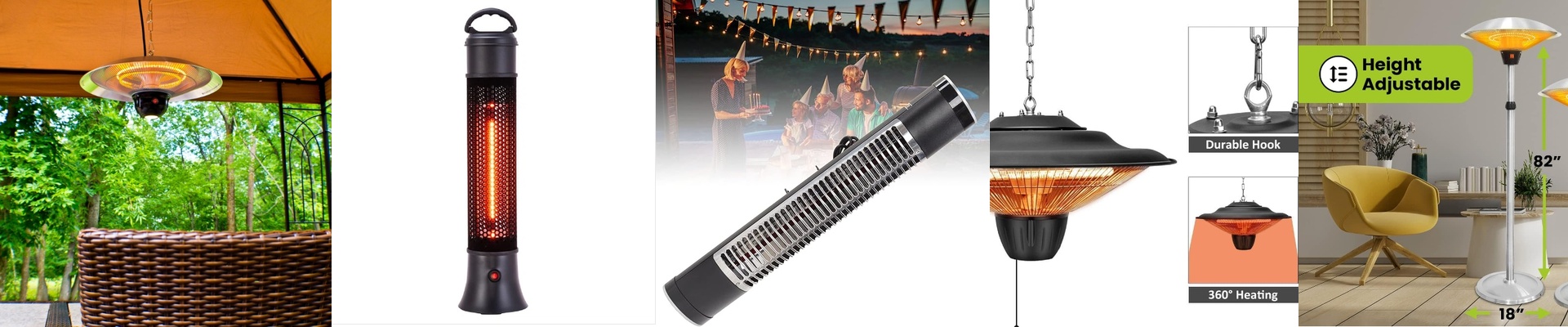

Stop Letting Moisture Kill Your Infrared Heaters
If you’re running high-ceiling heaters in a place with tons of dust, steam, or the occasional random splash, you know the struggle. We’ve seen it a hundred times: a perfectly good heater dies way too early. The culprit? Almost always the quartz tube.
Why “Clean” Matters
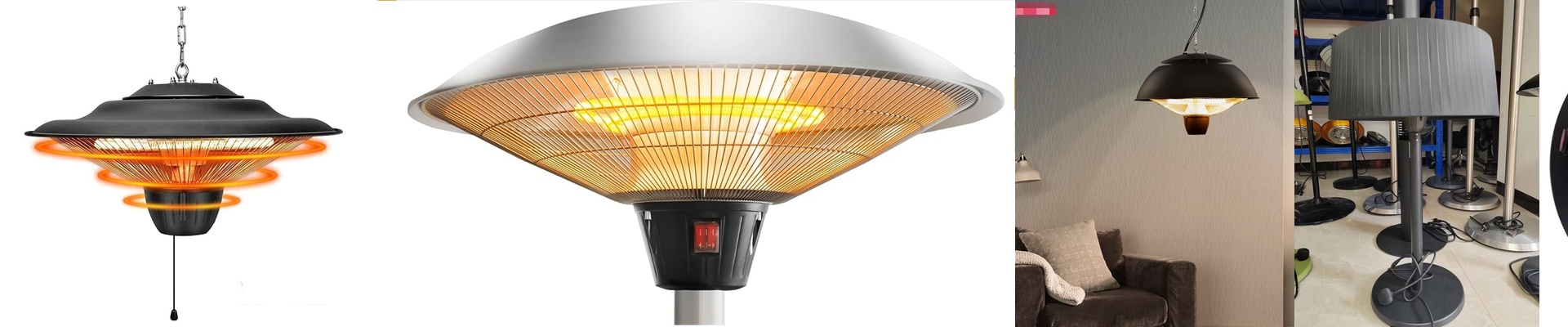
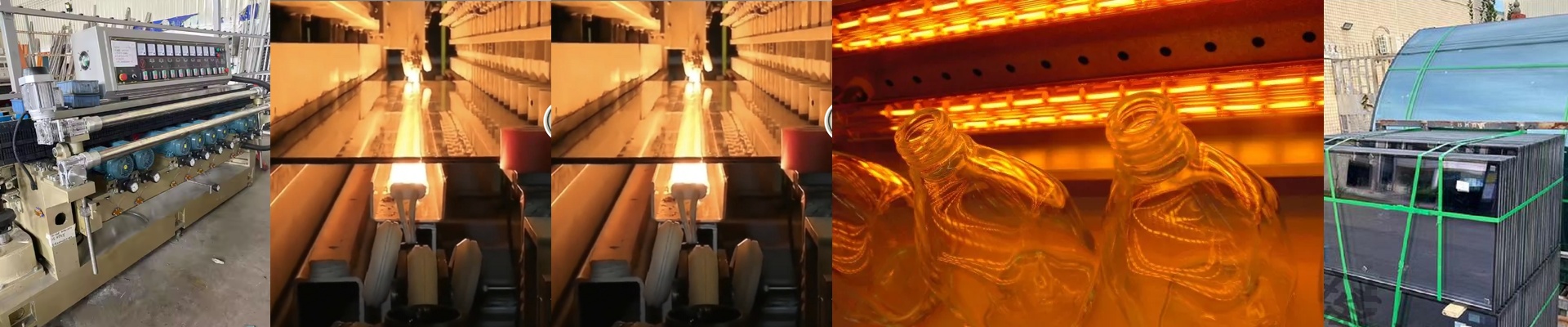
Here is the thing about hot glass. When a tiny drop of water or a bit of oil mist hits that tube, it doesn’t just vanish. It bakes right into the surface. This creates “hot spots.” Basically, the heat gets trapped in one spot because it can’t get through that grime. That stress builds up until—snap—the quartz cracks. It’s a nightmare. That’s why we added anti-fog and splash-proof shields. We keep the glass clean so you don’t have to deal with thermal shock frying your elements in a humid shop.
Keeping the Electronics Dry
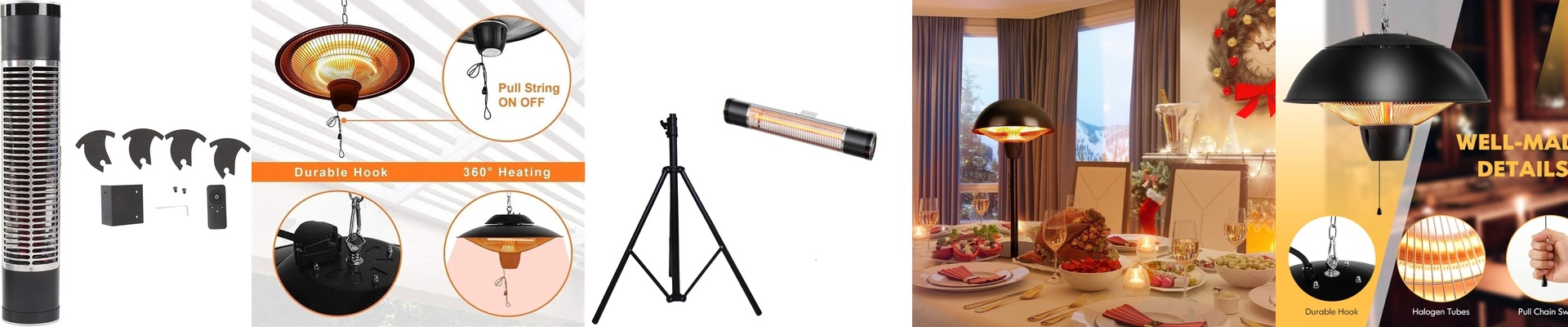
Then there’s the electrical side of things. Water and electricity are a bad mix. If moisture sneaks into the terminals, you get arcing. One spark and your wiring or controller is toast. We spent a lot of time on the gaskets and seals to make sure that doesn’t happen. The design keeps water on the outside where it belongs. It means these units can actually take a beating in a car wash or a food plant without shorting out.
The Honest Trade-off
Now, I’ll be straight with you. Adding a protective shield means there’s a physical barrier between the heater and whatever you’re trying to warm up. You might notice a tiny dip in the initial heat intensity compared to a totally naked tube. But look at the math. An exposed tube in a wet environment might give you 2,000 hours of life. A protected one? Often three times that. I’ll take the extra longevity any day. One last tip: double-check your mounting brackets. High ceilings tend to vibrate, and if those bolts aren’t torqued down right during the install, your seals can loosen over time. Just a quick check now saves a big headache later.