Why we use explosion-proof quartz in bathroom heaters
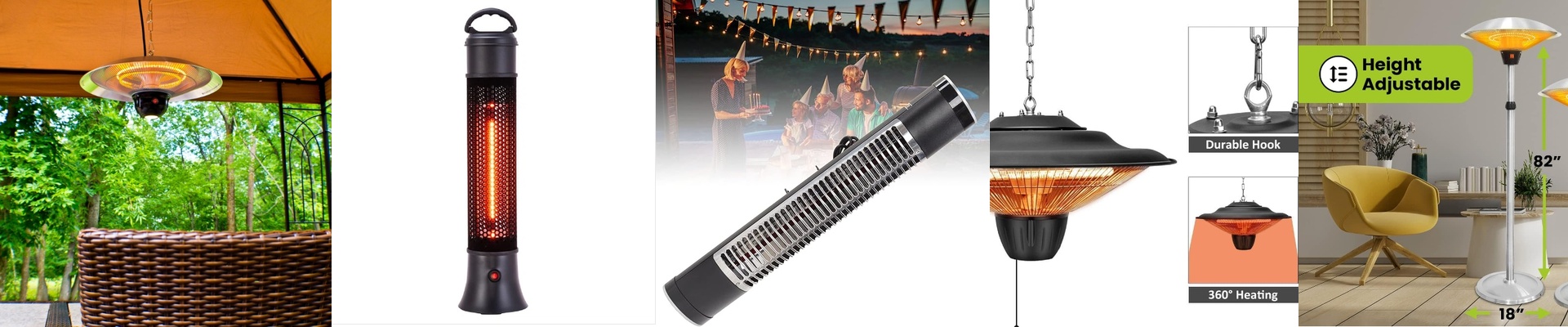
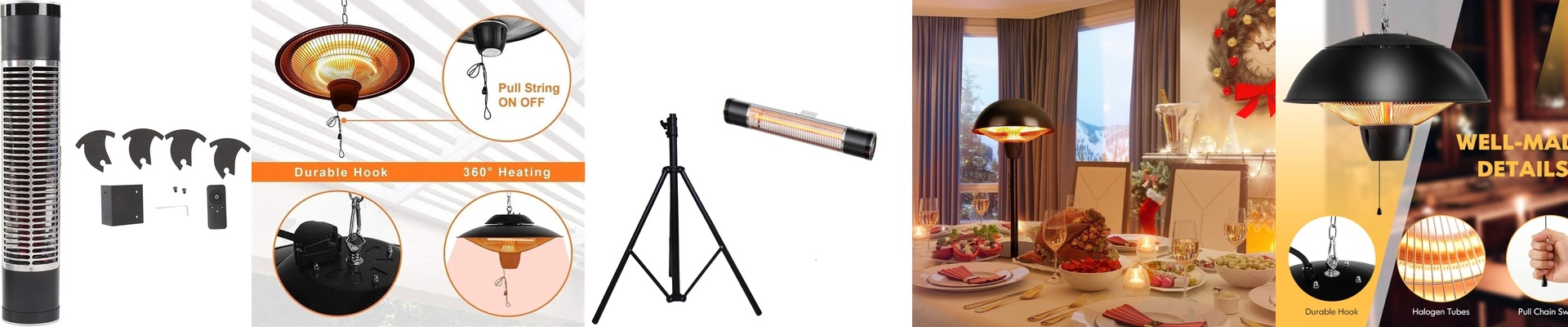
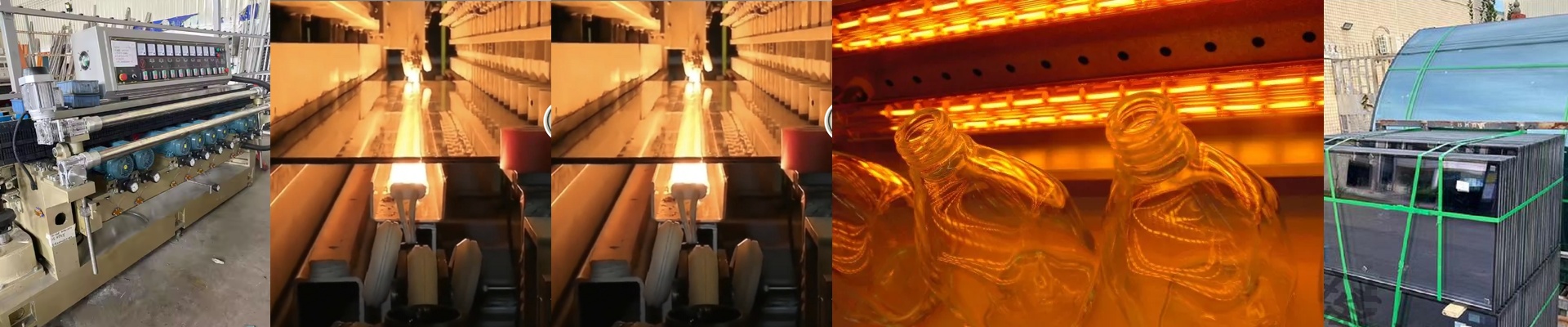
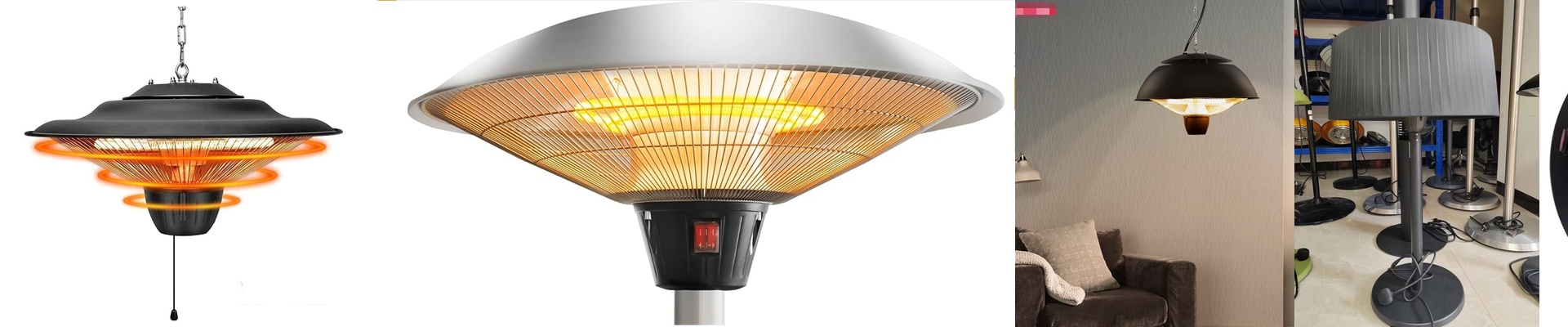
Bathrooms are kind of a nightmare for electronics. You’ve got freezing cold air one minute and thick, heavy steam the next. When you put a short-wave infrared lamp behind a mirror, that quartz tube gets incredibly hot—we’re talking over 800°C. Now, imagine a single stray drop of cold water splashing onto that glowing surface. It’s a recipe for disaster. The “Pop” Factor Most glass just can’t handle that kind of mood swing. It expands when it’s hot and shrinks when it’s cold. If it cools down too fast—like when you’re showering and a bit of water hits the lamp—the glass basically fights itself until it snaps. That’s why we stick with explosion-proof quartz. It’s not just about making the glass thicker. It’s about the purity of the silica and how it’s tempered. It gives the tube a bit of “give,” so it can take those wild temperature swings without shattering into a million pieces. Keeping Things Safe These heaters are built to work fast. You want to feel that warmth the second you step out of the shower, so we use high-wattage filaments. But here’s the thing: that glass tube is the only thing standing between a live electrical wire and a room full of water vapor. If the glass fails, you’ve got a serious electrical problem in a wet zone. Using the explosion-proof stuff basically removes that worry from the equation. A Little Bit of Upkeep Now, nothing is totally invincible. If you have hard water, minerals can build up on the glass over time. These deposits act like little blankets, trapping heat and creating “hot spots” that can eventually burn out the lamp. If you want your heater to last, just keep the glass clean. It’s a simple habit that saves you from having to replace the unit. And one last tip: make sure your electrician wires these into a properly grounded circuit. The glass handles the heat, but your wiring needs to be ready for that initial surge of power when you flip the switch.