Making Your Patio Warm (Without the Headache)
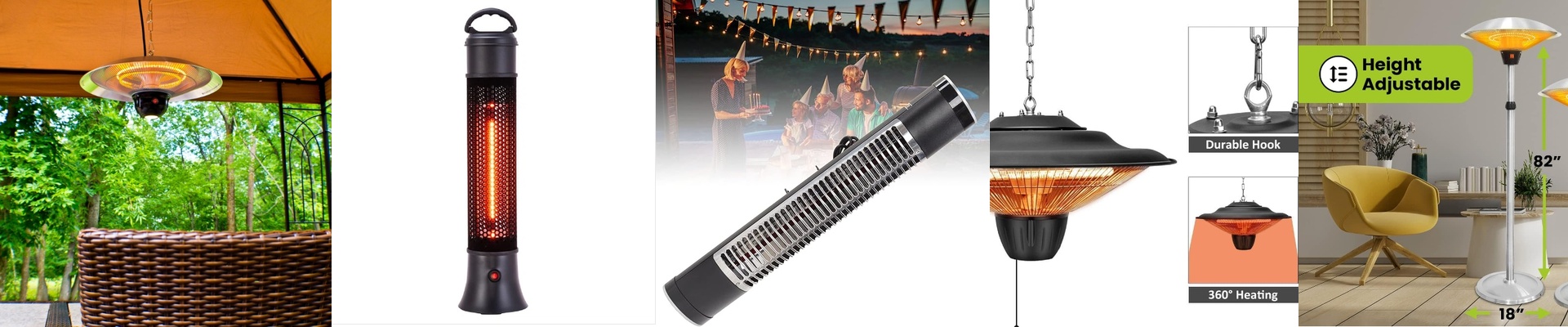
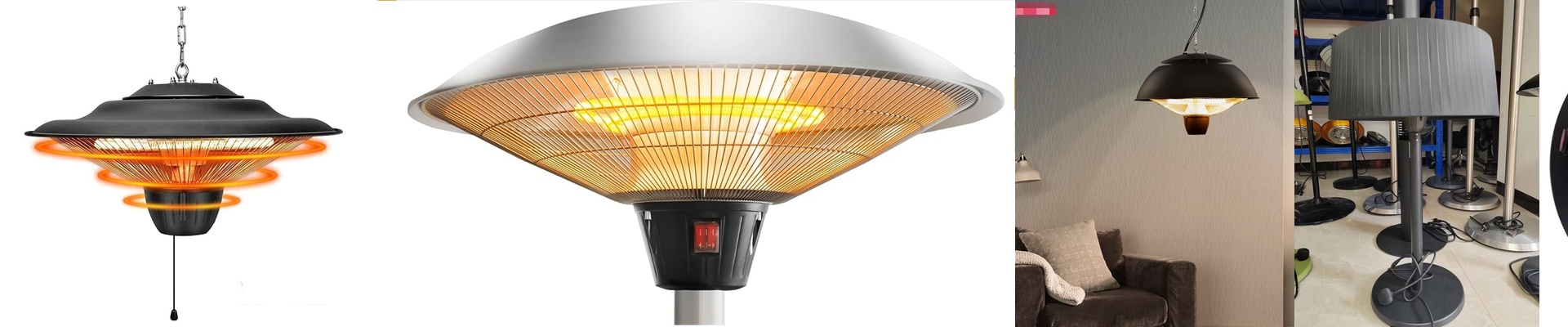
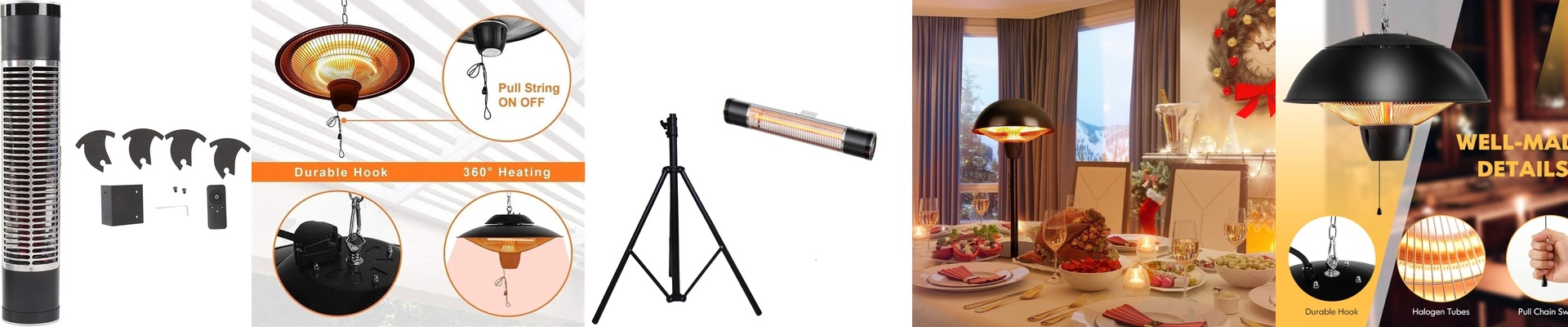
We build infrared heaters for bar patios and outdoor spots because nobody likes that awkward wait for the air to warm up when it’s freezing outside. By combining shortwave infrared tech with a few smart controllers, you can basically turn a winter chill into a spring afternoon with one tap on your phone.
Heat That Actually Hits
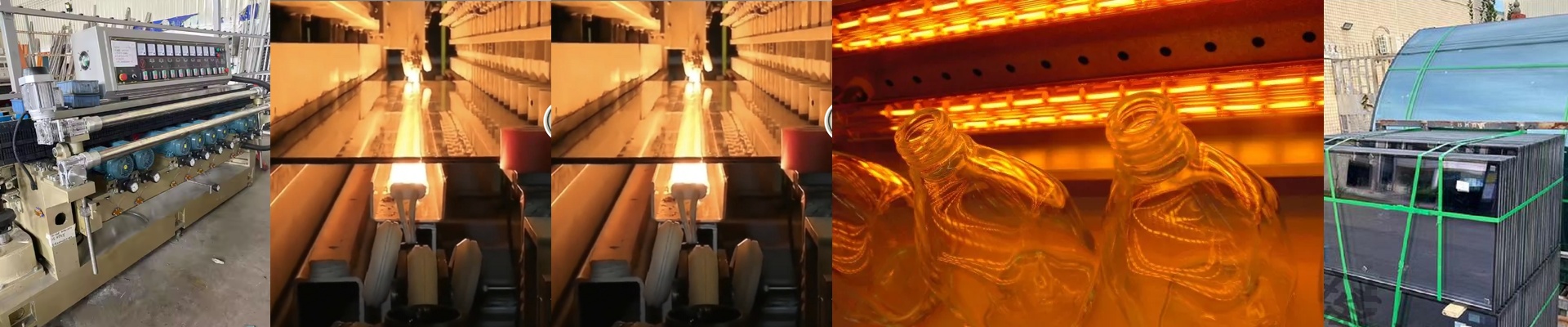
Here is the thing about shortwave infrared: it doesn’t bother trying to warm up the air. Instead, it goes straight for the people and the furniture. We use quartz tubes that get hot in a matter of seconds. No more “pre-heating” the patio for an hour before the guests arrive. You flip a switch, the relay kicks in, and you feel that warmth on your skinimmediately. It’s fast. Really fast.
Getting the “Smart” Part Right
If you want to hook these up to a smart home hub, you can’t just use a cheap plug from the drugstore. These units pull a lot of power—usually 220V-240V—so you’ll need a heavy-duty contactor or a weatherproofed relay built for high-amperage loads. Once that’s set up, the fun starts. You can set a schedule so the patio is toasted by 5 PM, or use geofencing so the heaters kick on the second your guests pull into the parking lot.
Rain, Rust, and a Few Warnings
To make sure these things don’t fry the first time it drizzles, we use IP65-rated housings and sealed junctions. They’re built to handle the elements. But there is a catch. These lamps put out a ton of intense heat in a small area. Even though the boxes are waterproof, the heat is no joke. You have to give them some breathing room. If you crowd them too close to a ceiling or a wall just to save a few inches of space, you’re probably going to scorch your paint or worse. Just make sure you map out the “throw” of the beam so you don’t end up with any dangerous hotspots.