Introduction
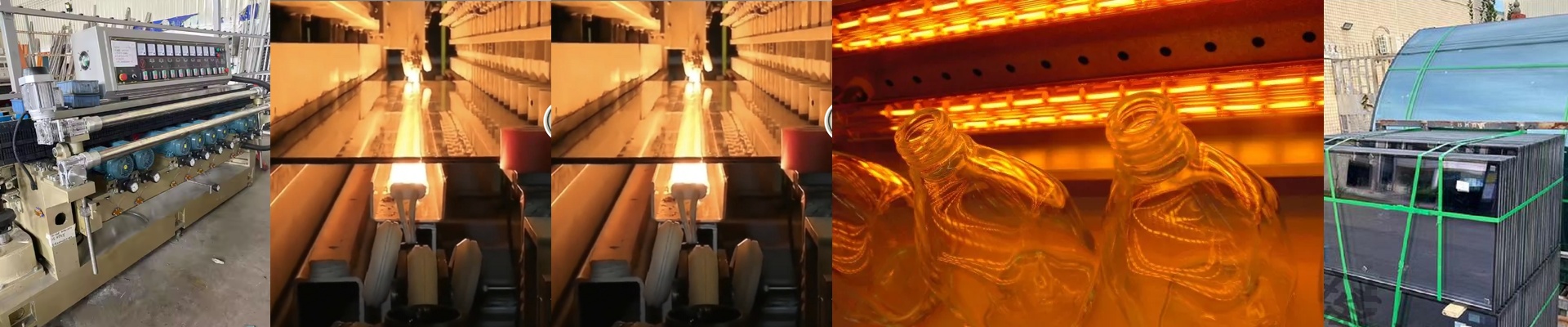
Here’s the thing about bathroom heaters: safety isn’t a feature. It’s the whole point. That’s why we built our plug-in wall heaters around one hard rule—they have to be rock-solid in wet spaces. The heart of it all is an explosion-proof quartz infrared heating lamp. It throws out fast, focused heat without ever leaving the heating element exposed to air or moisture. For engineers, this isn’t just a nice-to-have. It’s a built-in safety layer you can trust.
Technical Deep-Dive: Power, Voltage, and Dimensions
When it comes to infrared heat, it’s all about how much heat you can pack in, and how quickly it responds. Our lamps are made to deliver serious power in a small package. Most setups run on 220–240V or 400V, with wattage that scales to what you need—often around 2500W. The tube length is designed to match the heat spread and fit the space, usually about 300mm. That size gives you enough radiant surface to warm a shower area fast, but it’s still compact enough to slip into standard wall housings. Voltage choice matters, especially on the job site. Higher voltage means lower current for the same wattage. That lets you use smaller wires and cuts down on voltage drop over distance. Big deal when you’re wiring up multiple heaters across a facility. But there’s a trade-off. High power density means you need a circuit that’s properly rated and good thermal management. If your enclosure is tight, you’ve got to plan the wiring and cooling to match.
Material & Design: Explosion-Proof Quartz and Connectors
We chose quartz for the tube because it handles sudden temperature changes like a champ and lets infrared heat pass through cleanly. And because it’s explosion-proof, the tube is sealed and reinforced to keep any internal pressure—like if the filament fails—contained. No hot parts. No debris. Just safety. In a bathroom, that means you’re not getting hot gases vented into the air you breathe. We pair the tube with industrial connectors like R7s or SK15. They hold tight, stay stable even with vibration and repeated heating and cooling. Inside, the halogen cycle keeps the filament steady, so the heat output stays consistent over time. And the quartz coating is built to last, resisting wear from constant on/off cycles and constant moisture.
Application & Benefits: Reliable Heat in High-Risk Areas
In bathroom heating, you want warmth that hits fast and hits exactly where you need it—without wasting energy heating the whole room. Infrared does that beautifully. And with the explosion-proof quartz tube, it’s safe, even when the room is full of steam and humidity. For engineers, the perks are practical. The lamp slides right into existing fixtures, so there’s minimal downtime. It handles wet conditions without needing extra shielding. And the heat output is predictable, which makes control design simpler. The trade-off is honest: high heat density means you need to plan for heat. Size your heat sink, ventilation, and wiring to match the wattage and voltage, and the whole system runs smooth.