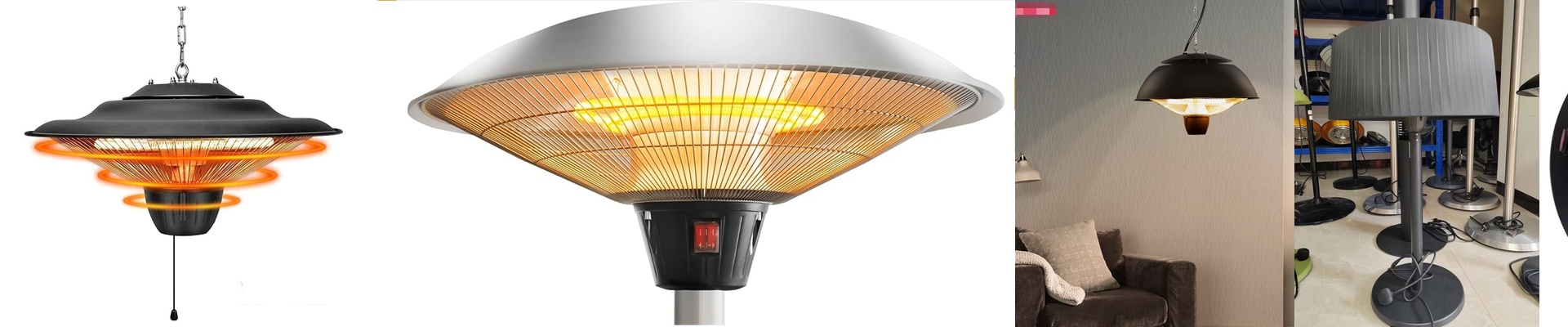
Making Bathroom Heat Lamps That Actually Last
Bathrooms are a nightmare for heating elements. One minute it’s bone-dry, the next it’s like a sauna. If a lamp isn’t built for that kind of chaos, the seals give out, the filaments rust, and the whole thing dies in a few weeks. We don’t play guessing games with how long these things last. Instead, we try to break them in the lab first.
The “Torture Chamber”
We toss every batch of infrared lamps into high-temp, high-humidity chambers. This isn’t some gentle soak. We blast them with extreme heat and then swing the temperature wildly while keeping the air thick with moisture. We’re hunting for the weak spots—usually where the glass meets the metal or at the electrical contacts. Moisture loves to sneak in and corrode the terminals. We look for any tiny electrical leaks that might trip a breaker or cause a short. If a seal is off by even a hair, this test will find it.
The Balancing Act
To survive this, we use a specific kind of quartz and reinforced seals. The quartz handles the sudden temperature jumps, but the real fight happens at the connection points. We use alloys that fight off corrosion so the lamp doesn’t basically weld itself to the socket over time. There’s a bit of a trade-off here. If we make the seals too thick to keep the water out, it can mess with how the heat spreads at the ends of the lamp. We spend a lot of time tweaking that balance so the heat stays consistent across the whole surface.
Why it Matters
Nobody wants to pay a technician to come back and fix a lamp three months after it was installed. By pushing these units to their breaking point before they ever leave the warehouse, we can be sure that when you wire them into a steamy bathroom, they just work. No flickering. No sudden failures. Just steady heat that can take a beating and keep on going.