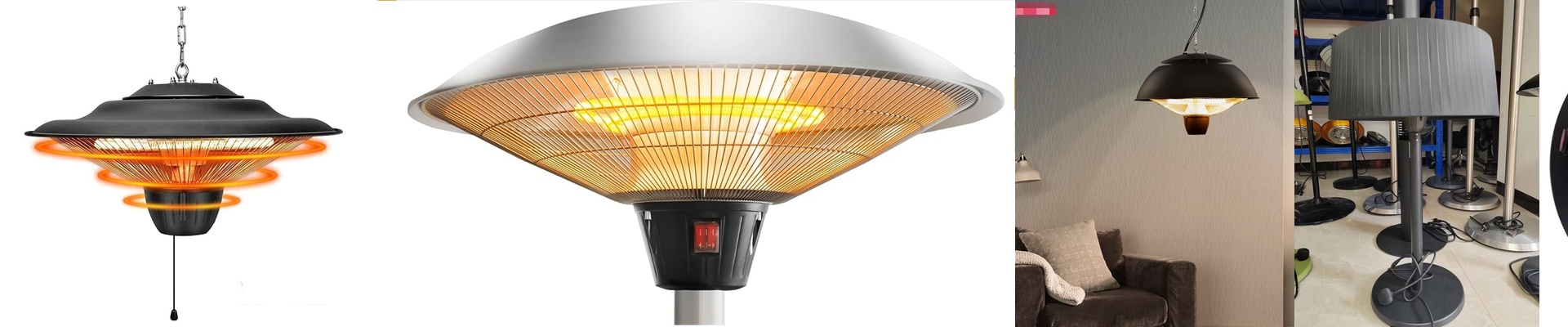
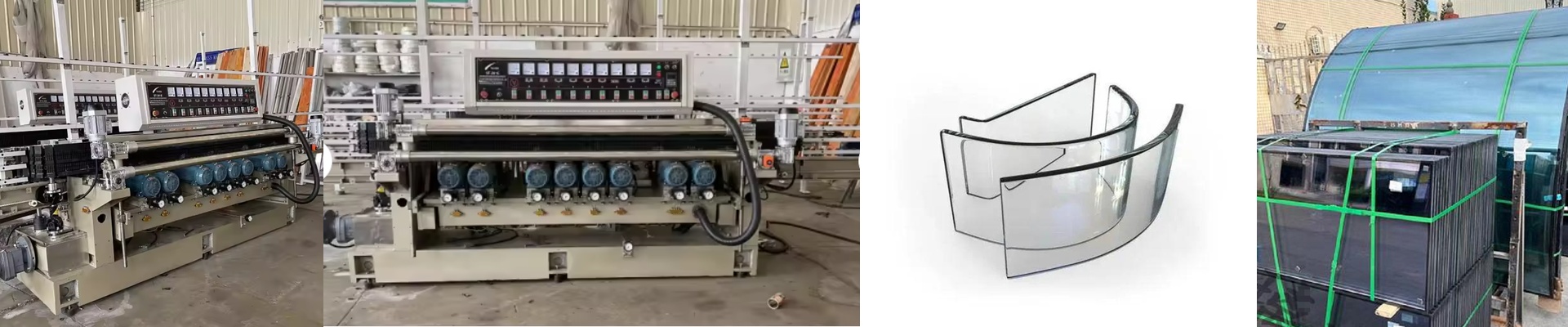
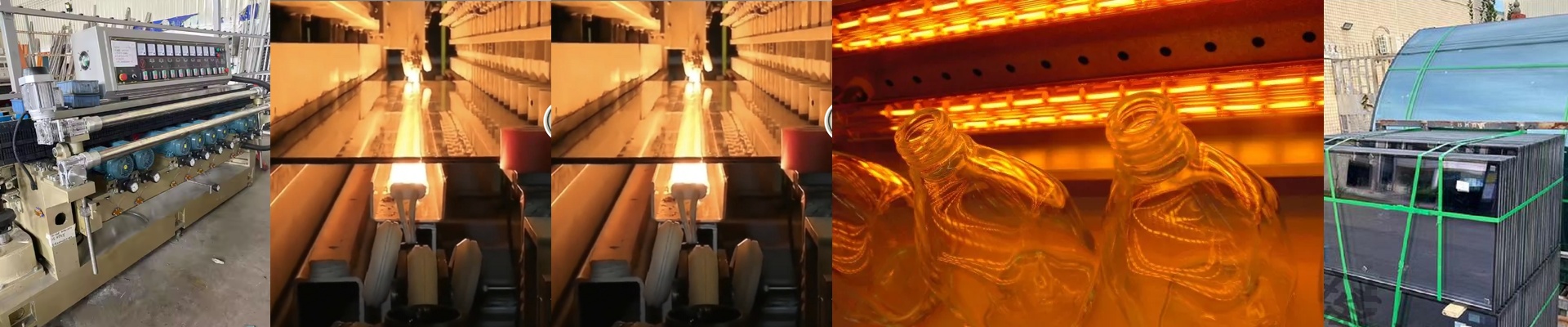
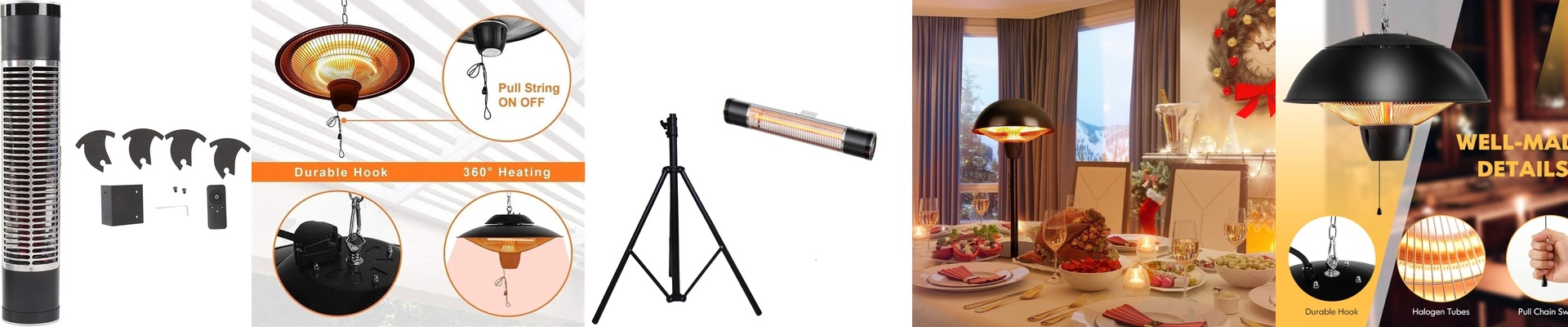
On the floor, glass heats fast and margins disappear just as quickly. One slow warm-up, a temperature drift, or uneven output and the furnace is suddenly out of spec—tempered panels crack, laminated windshields trap bubbles, and the line stops. We built our infrared heaters for exactly that reality: repeatable thermal control that keeps the line moving.
What matters under the hood
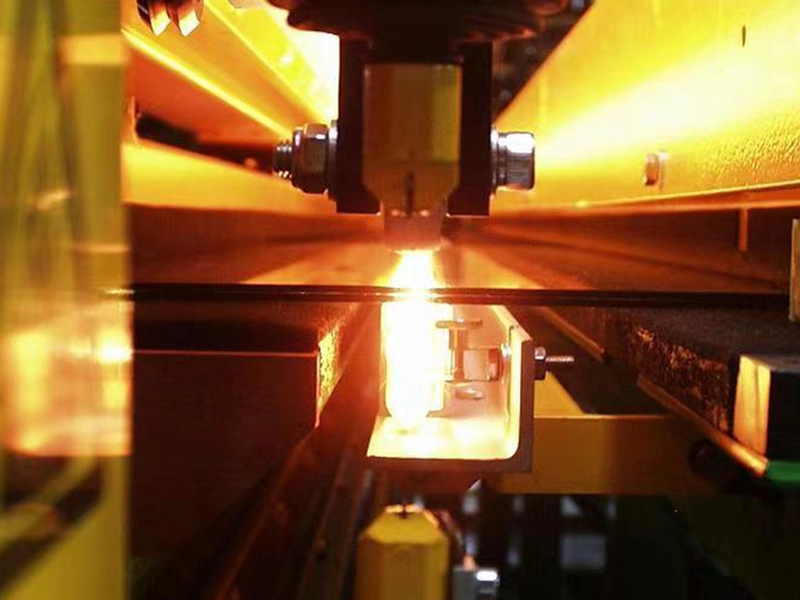
We run short-wave infrared quartz emitters tuned to how glass absorbs heat, so you get snappy response and stable temperature. The heaters are modular, with standardized mounting and terminals, so they drop straight into existing presses, ovens, and autoclaves without a major rework. Power density and zone layout are matched to the glass thickness and the process window—bending, tempering, coating drying, lamination, or insulating glass sealing—so heat hits where it’s needed and stays off the parts where it isn’t.
Where this shows up on the line
In bending, the fast ramp cuts cycle time and keeps thermal stress from spiking, which is what breaks parts. In tempering, uniform heating gives you consistent quenching, so optical quality and mechanical strength stay steady. For EVA and PVB lamination, the profile holds the edge seal, keeps bubbles down, and shortens dwell time. For coating drying and insulating glass sealing, the infrared energy penetrates without overheating the frame—fewer rejects and less energy wasted. The result is higher throughput, fewer scrapped sheets, and fewer surprise stoppages.
The details that keep you out of trouble
Installation is straightforward, but line-of-sight and spacing still matter. Set reflectors and guarding properly so you don’t bake hot spots or leave shadows on curved or coated glass. Output stays stable, but emissivity shifts with coatings, so recalibrate when the glass chemistry changes—nothing fancy, just enough to keep the profile honest. Treat the quartz elements as hot-service parts: let them cool before handling, and keep spares on hand for a quick swap.