When winter settles in, you feel the cold first—rising straight off the floor. Standard heaters warm the air, but the chill keeps working its way back in. An under-tile infrared heater changes that by putting the heat where it actually matters: straight into the surface. So your feet warm up, the room follows, and comfort arrives faster.
What’s actually going on under the tile
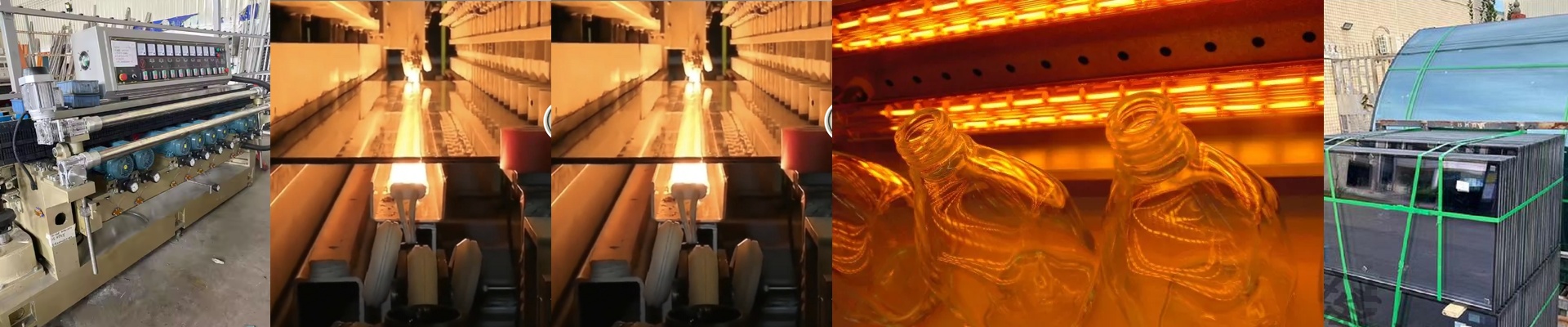
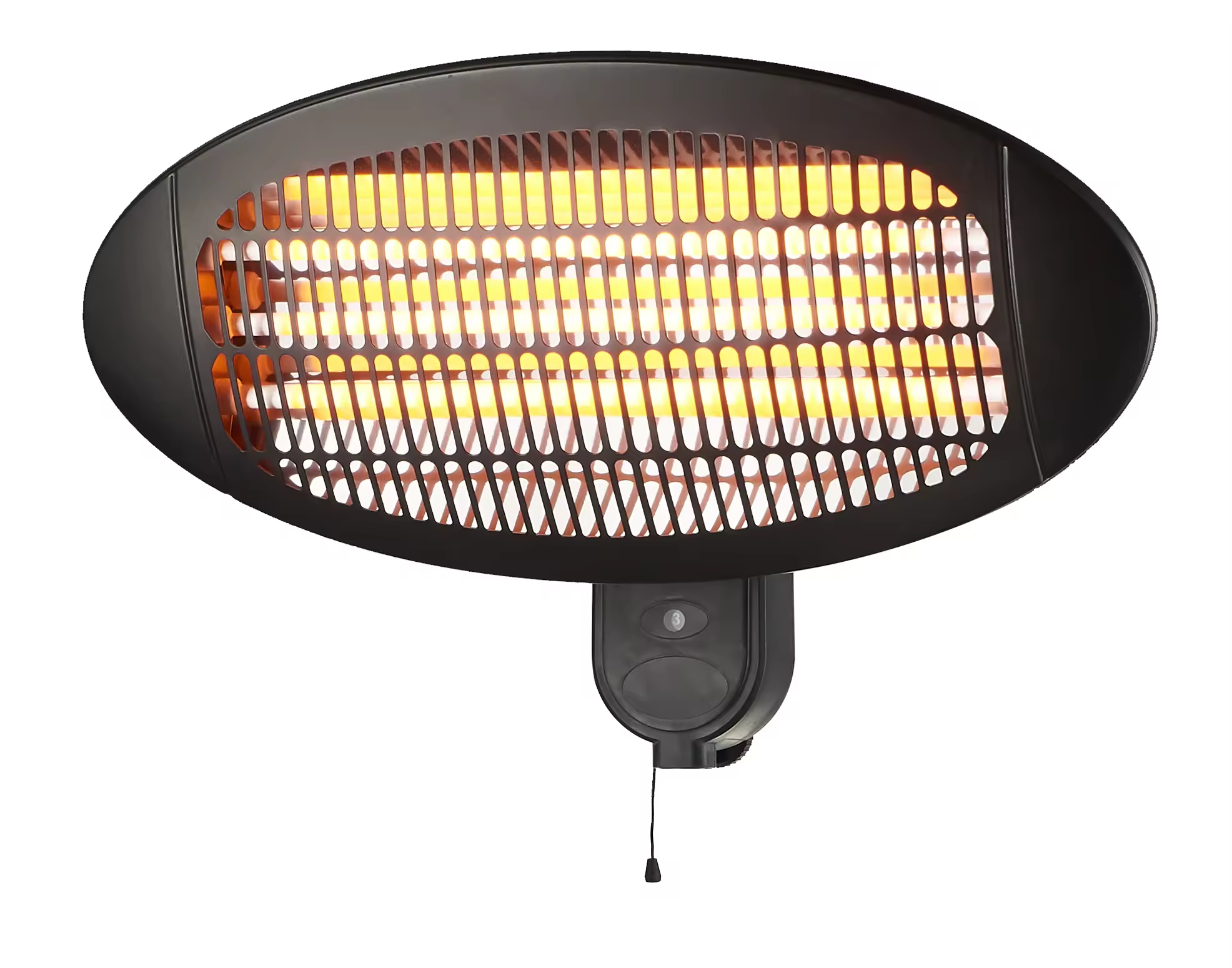
Under-tile infrared heaters use a high-output element—typically a carbon fiber element or a quartz tube—to deliver radiant warmth. Instead of chasing warm air that leaks away, the system transfers energy through solid materials, heating the tiles and the subfloor. The payoff is even warmth with far less air movement, which helps cut down on drafts and dust getting stirred up. Most units are built for 120V or 240V circuits, with wattages matched to room size, and they play cleanly with a standard thermostat so you get steady, controllable comfort.
Why this makes sense in a real home
In a house where comfort is non-negotiable, under-tile heating turns cold floors into a daily win. It helps with circulation on chilly mornings, eases muscle stiffness after a long day, and keeps living spaces feeling cozy without blasting hot air everywhere. And comfort has to include reliability. If the infrared heater has a fault in the first year, our global after-sales system steps in to make it right. Fewer interruptions. More consistent warmth.
The details that decide how well it performs
Installation is where this job lives or dies. The heater sits under finished flooring, so the subfloor has to be clean, level, and compatible with the wattage density. Planning a dedicated circuit—and proper insulation under the heating zone—improves both performance and longevity. Under-tile heating is excellent for comfort, but it’s not a DIY weekend project. Professional setup keeps everything safe, code-compliant, and gives you the most even warmth across the room.