

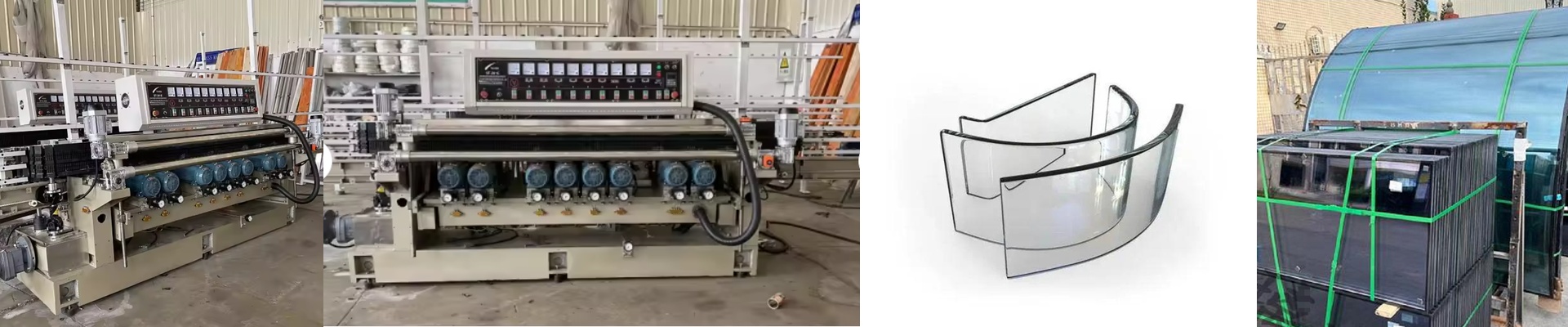
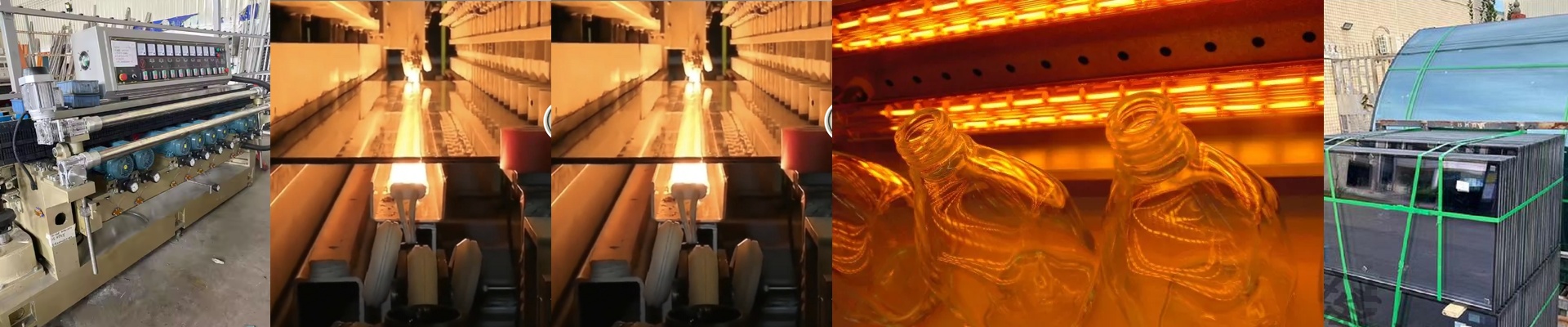
Out on the line, a slow-heating oven drags everything down. Every minute the glass sits waiting, you’re staring down the risk of warp, bubbles, or edges that don’t hold. Infrared isn’t some flashy add-on—it’s a clean, controlled thermal pulse that knocks out surface microbes and flashes off moisture without soaking the whole chamber. We tune NIR and short-wave quartz emitters to put the heat where it’s needed, right when it’s needed, so the glass keeps moving instead of sitting still. What actually matters under the hood We match wavelength and power density to the job. In tempering and bending, short-wave infrared hits fast, getting the surface hot enough for a clean, rapid quench without cooking the core. For EVA/SGP/PVB lamination and coating drying, you need uniform flux across the width to avoid dry edges and under-cured centers. Our modules run on 230/400 V, drop into standard mounting footprints, and can be zoned to match belt width and line speed. The response is near-instant, so you can hold dwell time and temperature profile tight. Here’s why this lands in glass processing: yield and uptime. Faster ramp-up shortens the cycle on tempering and bending, and the focused heat profile cuts thermal stress, which means fewer breaks and less optical distortion. In lamination, even heating reduces voids and tightens adhesion, so you spend less time reworking. For insulating glass sealing, pre-heating with infrared settles the edge before you dispense, giving you better corner adhesion and a seal that holds over time. Energy use drops because the heat goes only where it’s needed, and the emitters follow the production rhythm instead of throwing standby losses. A few shop-floor realities Infrared is line-of-sight, so reflector layout and zone placement matter. You can get shadowing around fixture edges if you’re not careful. We size emitters and set spacing based on your glass thickness, emissivity, and belt speed. Retrofitting is straightforward if you plan the basics: verify clearances, power feeds, and cooling. And keep glass surfaces clean—coatings and residues shift absorption and throw off the temperature curve. Get the profile right, and the line runs faster with fewer rejects.