Stop Wasting Power on Your Glass Annealing
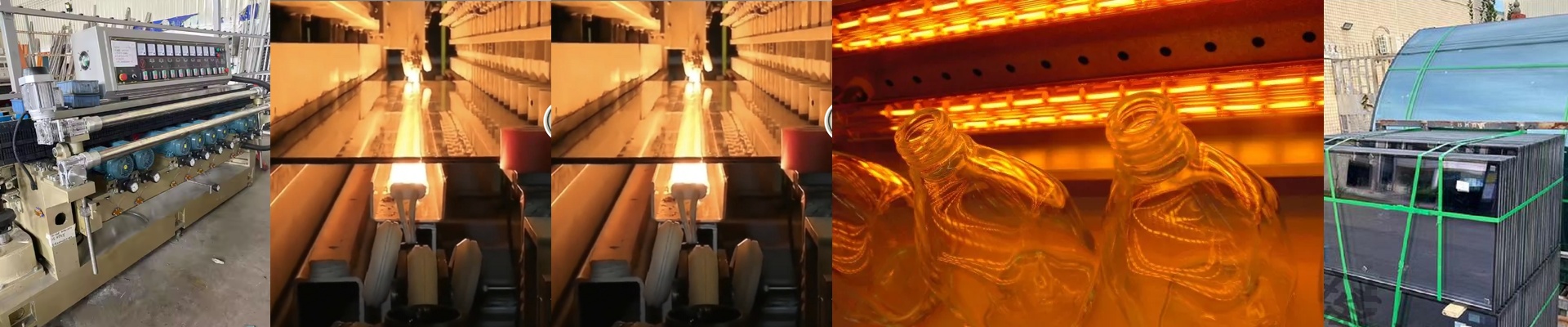
Let’s be honest: annealing is usually the biggest power hog in the entire production line. If you’re still using traditional resistive heating in batch furnaces, you’re basically paying to heat up the air and the furnace walls. The glass is just sitting there while the room gets hot. It’s a waste of time and a waste of money. That’s why we switched things up. Instead of heating the room, we use shortwave IR lamps to hit the glass directly. How it actually works Think of it like this: instead of waiting for a room to warm up, you’re stepping into the sunlight. Shortwave IR doesn’t mess around with convection. The energy just jumps from the lamp to the glass surface instantly. No more waiting for the chamber to “soak.” You get your ramp-up time down fast, which means your kilowatt-hour bill actually starts to look reasonable. Getting it into your shop We build these lamps to take a beating. Batch furnaces are rough, and the constant thermal cycling can kill cheap gear. When you’re setting this up, just keep an eye on your wattage and voltage. You want them to play nice with your existing grid so you don’t run into annoying voltage drops. We use high-wattage quartz tubes because they provide the kind of heat density you need to move fast. But there’s a catch. That much heat is intense. You’ll need housing and reflectors that can handle the temperature, otherwise, your fixtures will start to warp. Keeping things running We kept the connectors standardized. We wanted these to be a “drop-in” replacement for your old elements so you aren’t spending days rewiring everything. It makes swapping them out way less of a headache. But here is the most important part:keep those quartz tubes clean. If dust or little shards of glass build up on the lamp, you get hotspots. Those hotspots will eat through the tube and burn it out long before it should. A quick, regular cleaning schedule is all it takes to get the full life out of your lamps. One last tip: don’t just crank the wattage to the max without checking your airflow. If the lamp ends don’t have room to breathe, you might melt your connector housings. It’s all about finding that sweet spot between high heat and proper cooling.