


Stop Guessing With Your Glass: Why Consistent IR Lamps Actually Matter
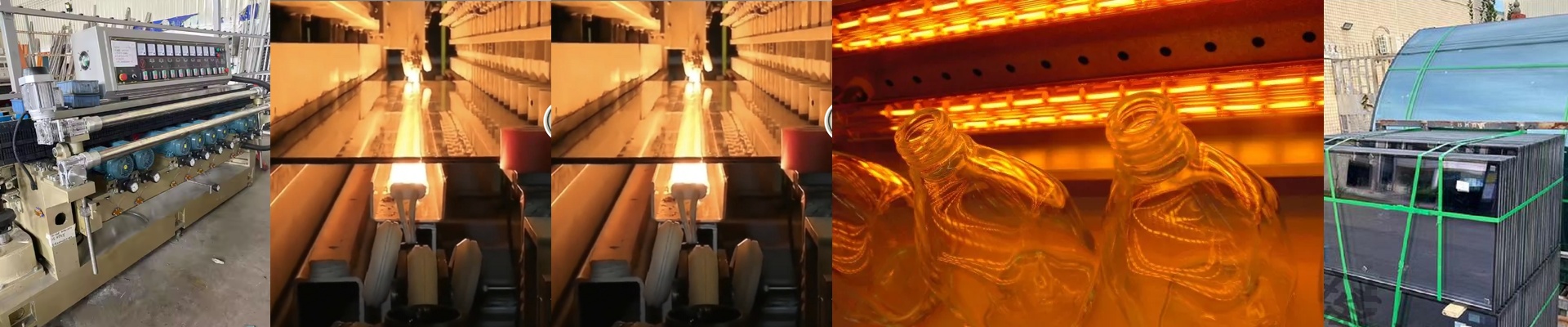
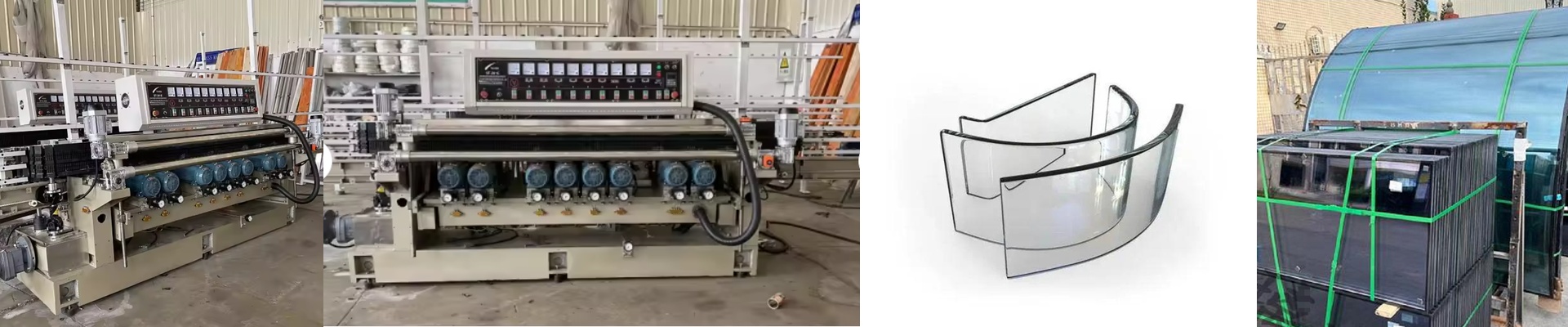
Ever feel like you’re fighting your tempering furnace? One batch comes out perfect, and the next has these annoying cold spots that send your scrap rate through the roof. Most of the time, it’s not the machine—it’s the lamps. If your heating bank has a 5% or 10% power difference between tubes, you’re basically asking for trouble. You get uneven stress in the glass, and by the time it hits the cooling phase, it’s too late. You’re left with a pile of wasted material. The secret is in the tolerance. Think about the tungsten filament and the halogen gas inside those quartz tubes. If the filament is a tiny bit off in diameter or the gas pressure isn’t exactly right, the heat output shifts. We spend our time tightening those specs. Why? Because when every lamp puts out the exact same amount of energy, every square inch of that glass hits the target temperature at the same time. You can finally stop tweaking the controls and just let the machine do its job. But here’s the thing: high wattage is a double-edged sword. Shortwave tubes are great because they ramp up heat fast. But pushing 2000W+ per tube puts a massive strain on your electrical setup. If your wiring is too thin or your contactors are worn out, you’ll get voltage drops. Usually, the lamps at the end of the line take the hit. They underperform, your heat map goes sideways, and your batch consistency disappears. It’s a simple fix, but it’s one people often overlook. Now, let’s talk about the reality of maintenance. No lamp stays perfect forever. Filaments thin out. The light shifts. A lot of people try to “cheat” this by cranking up the power to make an old lamp keep up. Don’t do that. You’re just rushing the tube toward a burnout. If you want your quality to stay flat, stop swapping single tubes. It’s a losing game. Instead, replace the whole bank on a schedule. It keeps your thermal map consistent across the entire conveyor. And a pro tip: use high-temp leads. It stops the connectors from oxidizing, which is another sneaky way your power starts to fluctuate. Keep it simple. Keep it consistent. Your scrap pile will thank you.