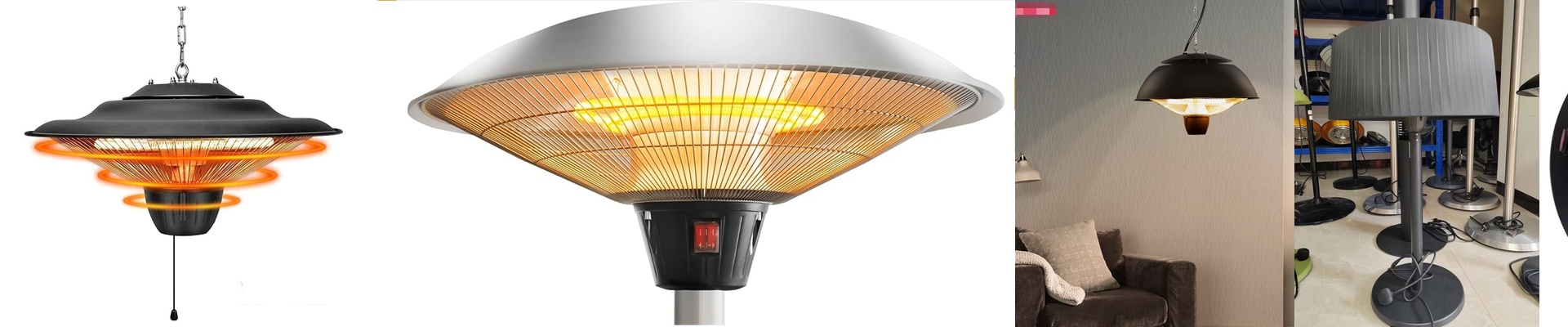
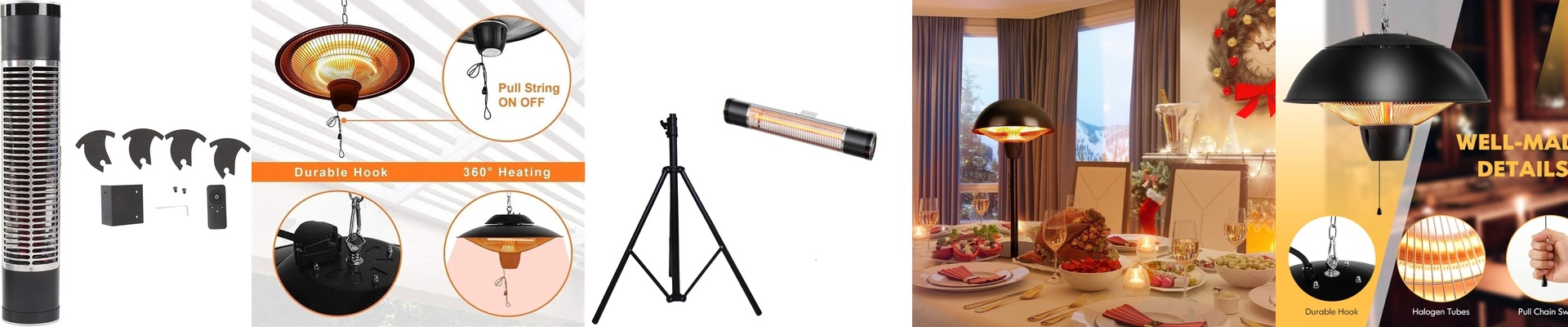
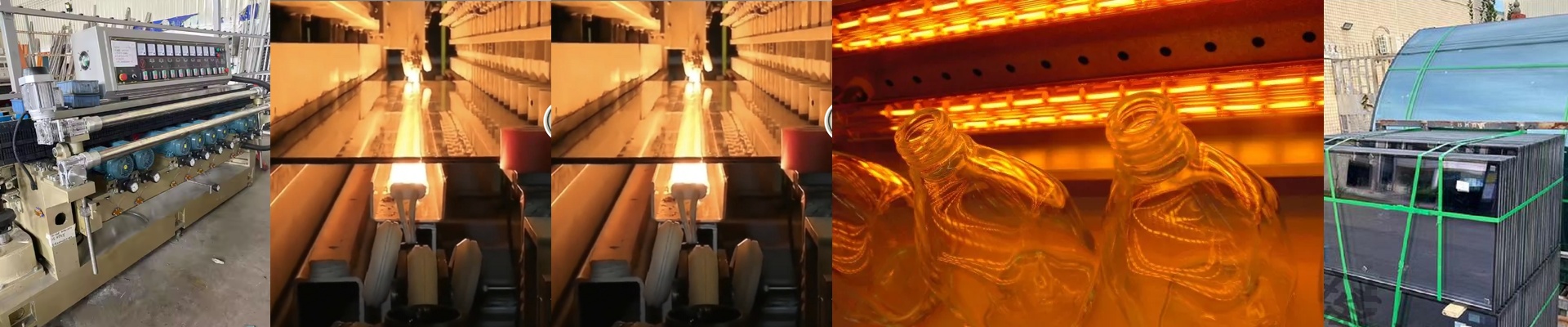
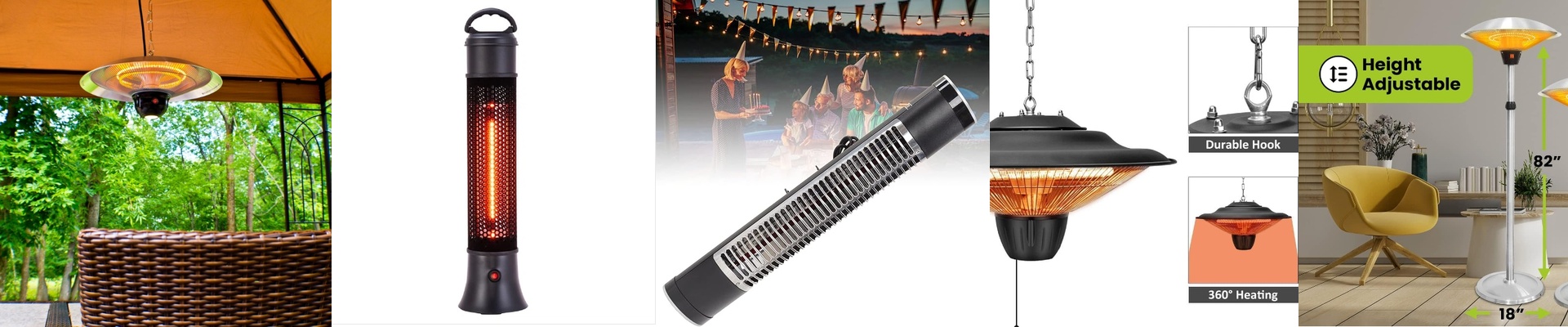
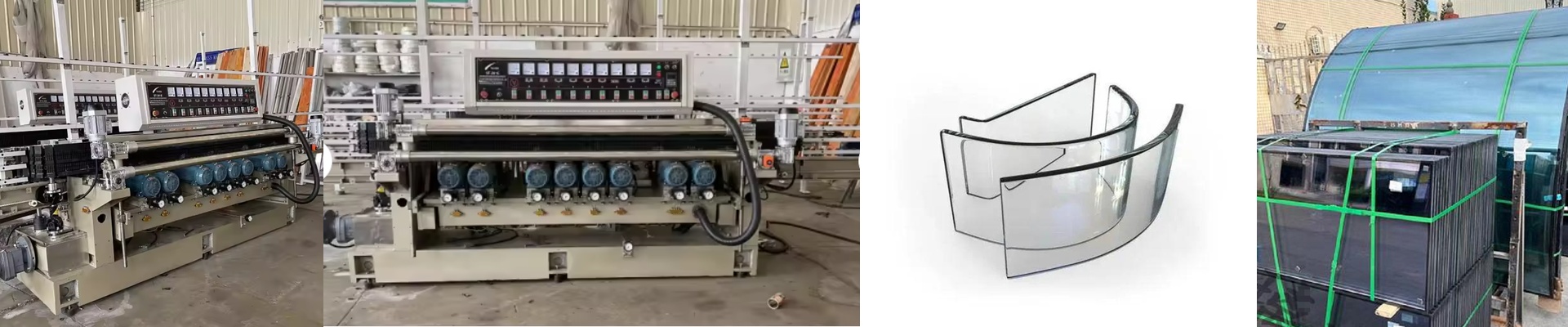
On the shop floor, temperature stability isn’t a preference—it’s the line between a full run of tempered or laminated glass and a pile of scrap. When heating panels underperform, you get uneven heat, stretched cycle times, and thermal stress fractures that eat yield. We built our glass workshop heating panel to stop those losses before they start. What matters technically We lean on short-wave infrared quartz emitters to deliver fast, direct radiant heat with minimal convection, so the glass surface comes up quickly and evenly. The panel runs on 380V three-phase power, and the modular zones are sized to match common oven and autoclave footprints. Each zone has independent control and tight temperature uniformity, which keeps emissivity behavior predictable—especially on low-E and coated glass. The emitters are rated for high cycle counts, and the housing is built for workshop dust, humidity, and washdown. Why it works in practice You see the payoff where you measure it. Energy use drops because the panel heats fast, holds setpoint steady, and throws away less heat to ambient. Cycle time shortens, so throughput goes up without pushing the furnace or autoclave past safe limits. More importantly, yield improves: a stable thermal profile cuts down on thermal stress, edge waves, and optical distortion in tempering and bending, and it supports consistent EVA/SGP/PVB flow during lamination. Fewer rejects also means fewer spare parts, less downtime, and less maintenance labor. Things to know These panels are engineered as drop-in replacements for many OEM heating modules, but mounting and wiring depend on your machine’s cutout, airflow direction, and control interface. Clearance matters, and so does proper thermal insulation at the edges—otherwise you risk localized hot spots. If your line runs long hours at high temperature, schedule emitter inspections based on your process data, not a guess.