Mastering Ceramic Ink Curing: How Partition-Controlled Infrared Heats Long Glass Lines
Ever run a really long glass coating line? You can’t just treat the whole thing like one giant oven. Ceramic ink is picky—it needs the heat delivered just right. Too fast, and the ink just skins over. Too slow, and you’re throwing away line speed. Partition-controlled infrared heating is how you get that sweet spot, one zone at a time.
The Power Behind the Heat
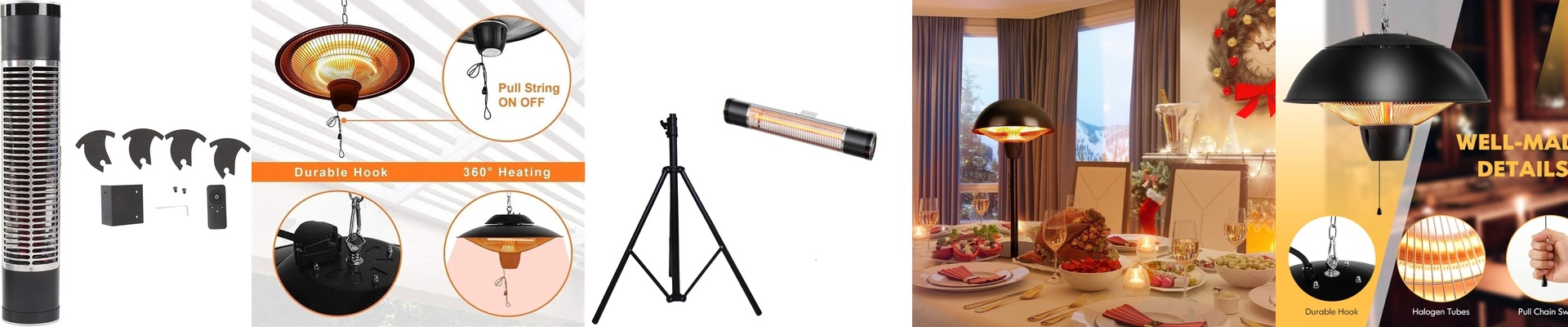
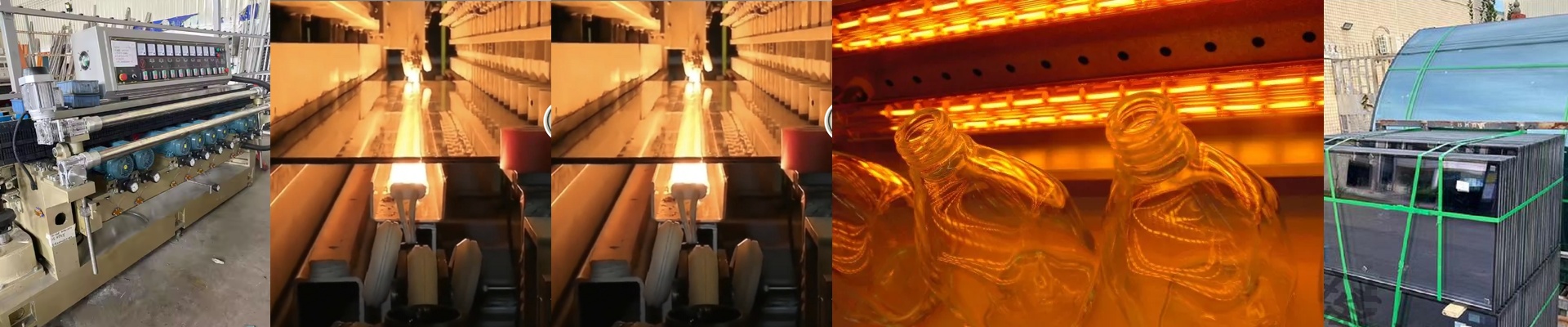
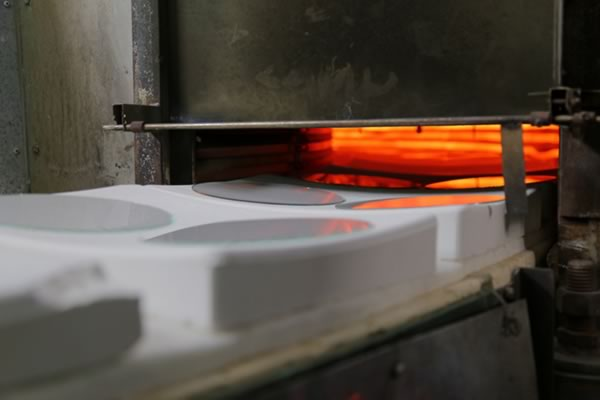
We built the system around shortwave infrared tubes. Why? Because they pack a lot of heat, fast. That matches the quick-curing reality on glass lines. We use 400V, which keeps the current draw per tube lower. That means you can run more heaters without tripping over your electrical distribution. High wattage per tube also means the lamps jump to temperature the moment the PLC asks for it. But it’s not just about raw power. The partition control lets you assign different lamp groups to different parts of the line. One zone preheats. The next ramps up. The final zone holds steady for full crosslinking. That’s how you get a true curing curve instead of one blunt heat setting.
Why the Details Matter
The quartz envelope can handle the shock of repeated heating and cooling cycles. Inside, the halogen elements keep output steady over time—exactly what you need when repeatability has to carry over shift after shift. And the ceramic-based reflective coating keeps the energy pointed where it matters: down onto the glass. Less side spill. More efficiency. For installation, we chose R7s connectors. They’re secure, industrial-grade, and quick to wire. If you need to swap something out or reconfigure zone lengths, you can do it without turning a simple job into a long downtime event.
What This Feels Like on the Floor
On a long glass line, control has to match the geometry of the line itself. With partition-controlled infrared, you get localized temperature management. So when glass thickness changes, ink laydown shifts, or line speed moves, you can adjust without scorching the whole line. Now, there’s a trade-off. High-density infrared heat means you need proper cooling and heat management around the lamp housing. Plan your airflow and shielding up front. Do that, and you end up with curing that’s repeatable, fewer rejects, and output that stays stable—because you can tune the heat to the process, not the other way around.