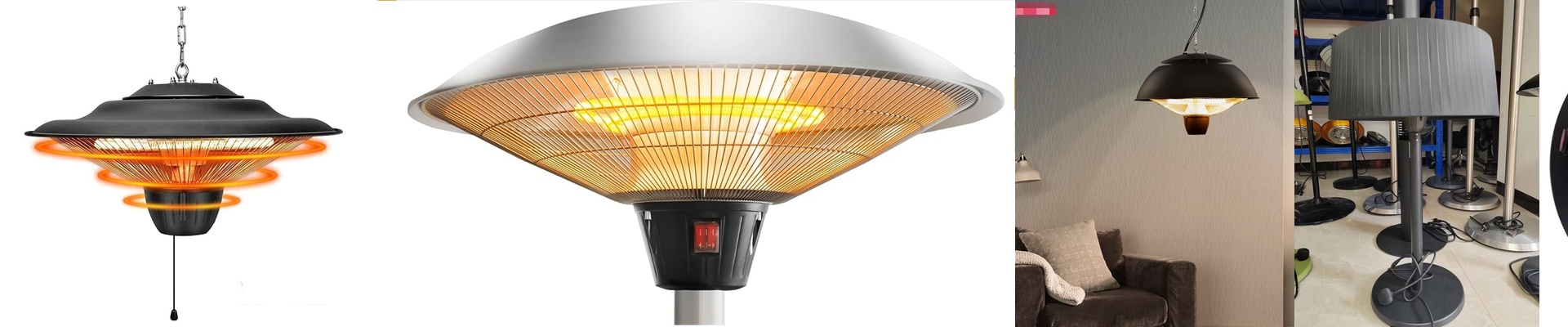
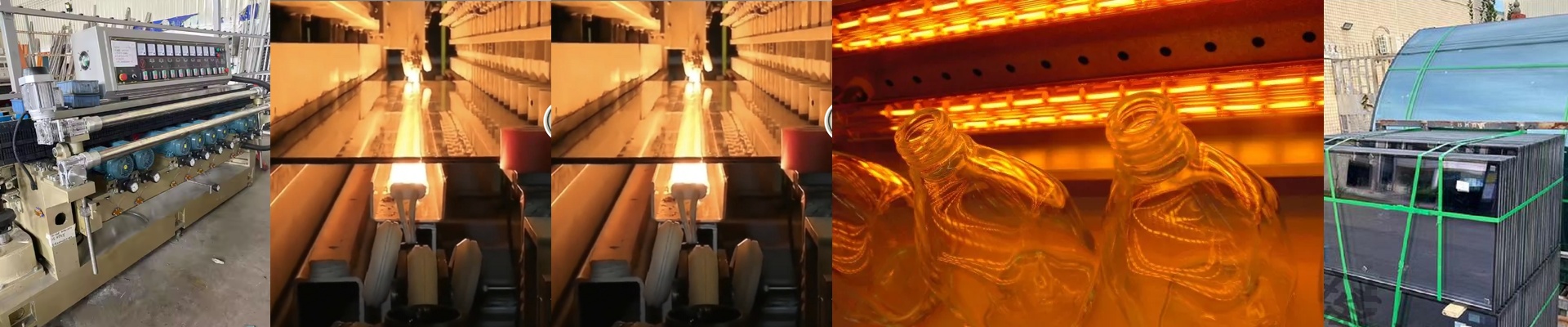
On the line, borosilicate doesn’t forgive uneven heat. Hot spots crack parts, cold zones hang up the bend, and slow ramps kill your cycle time. We built these infrared lamps to take the guesswork out of thermal control and make glass processing repeatable, shift after shift. What matters under the hood They run short-wave infrared, tuned to borosilicate’s absorption band, so you get fast, volumetric heating with minimal convection. Quartz envelopes keep output steady and handle the thermal shock of repeated cycling. The focal pattern is tight, giving a uniform thermal field—so the sheet heats evenly and thermal stress stays in check. Specs are straight shop-floor: standard voltages, compact lengths, and terminals that bolt right into the fixtures you already have. The payoff is predictable ramp rates, tighter temperature bands, and fewer rejects. Why it holds up on the processes we know In bending, the lamp hits set point fast and holds profile consistency across the glass. Shape repeatability gets better, and rework drops. For tempering, the rapid preheat shortens the cycle and reduces edge stress—so you get higher strength and a cleaner break pattern. On EVA and SGP lamination, the energy penetrates the stack, drives out air, and completes adhesion without scorching the outer surfaces. Coating drying and insulating glass sealing see the same control: drier films, stronger seals, and less energy per part. A few shop-floor realities Mounting geometry matters. Set reflectors and standoff distance to match the beam and the glass thickness, or uniformity goes south. The lamps work with most OEM fixtures, but verify lead length, terminal type, and clearance to the machine frame. Plan for clean power—voltage sag causes output drift and stretches cure time. They last long, but treat them like consumables. Keep spares on hand so the line doesn’t stop waiting on a replacement.