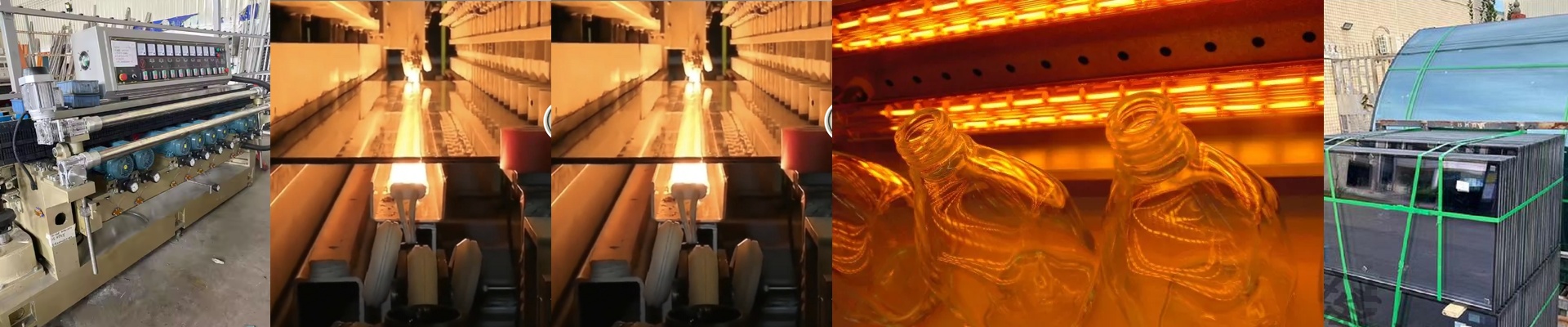
On the line, the clock doesn’t negotiate. A coating that dries uneven, or a lamination stack that cools with moisture trapped inside, becomes scrap before you can even call maintenance. Ceramic and glass dryers aren’t accessories here. They’re production controls you can actually count on.
What matters, technically
We build these units around near-infrared (NIR) emitters tuned to the absorption profile of ceramic substrates and glass coatings, so the heat goes where it’s needed—not into the plant air. That gives you fast temperature recovery and a stable thermal field. Typical modules run 200–600 kW, with voltage options from 240 V to 690 V, and footprints that drop into existing oven lanes and laminating presses. Control comes through thermocouple feedback and closed-loop power regulation, keeping peak temperature within ±3 °C across the belt width. And that matters because glass hates gradients. Even a small hot/cold spread can drive thermal stress or leave you with uneven curing.
Why it holds up in real glass work
In glass processing—coating drying, EVA/SGP/PVB lamination, and insulating glass assembly—what you’re buying is repeatable quality at line speed. NIR dries coatings faster, so you can shorten the oven zone and claw back floor space. In lamination, faster heating cuts the time the film sits at borderline temperature, which drops bubble and haze defects. For insulating glass sealing, pre-heating the spacer and edges improves adhesive flow and edge bead uniformity, so you see fewer rejects from adhesion failure. Energy use comes down because the heat is targeted and dwell is shorter, and you end up with more parts per shift without adding another oven.
The things you learn the hard way
NIR is line-of-sight, so part geometry and fixture shadowing matter. Expect a short learning curve to dial in belt speed, power density, and dwell time for each product mix. Installation is straightforward on most lines, but you need adequate cooling and clean airflow—dust on emitters and reflectors will degrade output. Spec the dryer to your line voltage and connector type up front, and confirm maintenance clearances. Set right, the unit runs long cycles with stable output, but the payoff comes down to matching the heating profile to the glass and the process.