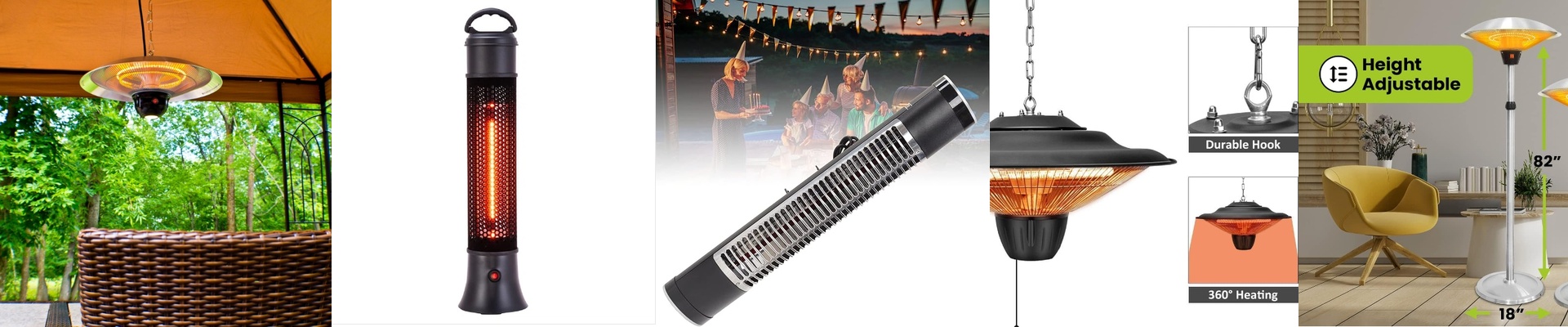

Keeping Your IP55 Infrared Heaters Safe (and Dry)
Let’s be honest: putting infrared lamps in a bathroom or a damp factory floor is a bit like playing with fire—or in this case, electricity and water. It’s a recipe for short circuits and leakage currents if you aren’t careful. When you’ve got steam filling the room or water splashing everywhere, a basic heater just won’t cut it. You need that IP55 rating. It’s the only way to keep the guts of the machine dry and make sure nobody gets a nasty shock.
What IP55 actually does
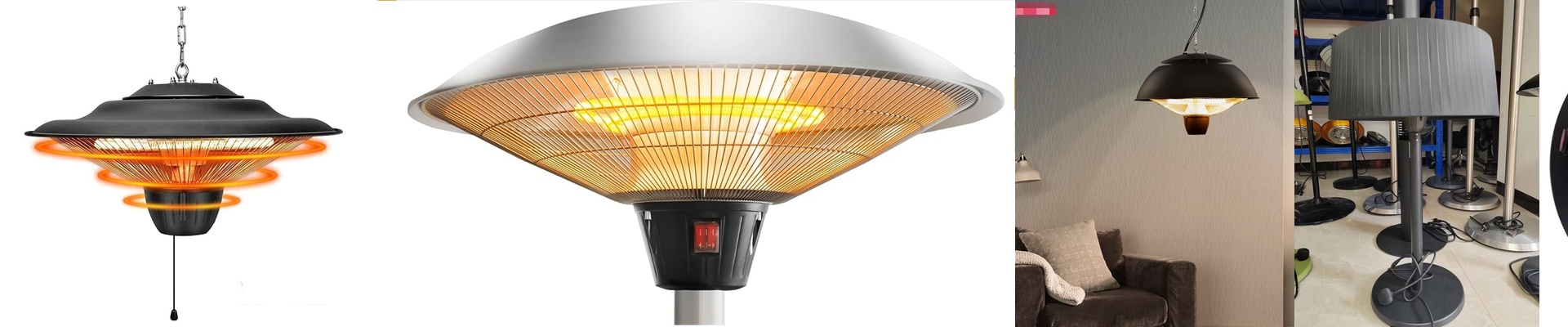
Think of IP55 as a protective shell. It keeps the dust out and stops low-pressure water jets from sneaking in, no matter which way they’re spraying. We make this happen by using high-temp gaskets to seal the housing and specialized cable glands. The whole point is to stop moisture from creating a “bridge” between the live heating element and the metal frame. If water hits a live terminal?**Boom.**You’ve either tripped the breaker or created a serious safety hazard.
Getting the insulation right
To make sure the system is truly isolated, we look at the materials. We use ceramic insulators at the ends of the lamps so the current doesn’t leak into the frame. For the wiring, we stick with silicone or PTFE sheathing because it handles the heat and ignores the moisture. But here’s the thing: you can’t just trust it. Before you flip the switch, grab a megohmmeter. You’re looking for values over 100MΩ at 500V DC. If that number dips, you’ve probably got a pinched wire or a seal that isn’t sitting quite right. It’s a quick check that saves a lot of headaches later.
The hidden catch
There is a trade-off, though. When you seal a heater this tightly to keep water out, you’re essentially creating a heat trap. Since the unit is airtight, the air inside gets hot way faster than it would in an open-frame setup. This means you have to be really smart about your thermal cut-offs. If the housing overheats, your components will fry a lot sooner than they should. The trick is to balance your wattage against the size of the enclosure. Don’t overdo it, or you’ll be replacing the whole unit way too often.