
Stop Your Infrared Heaters from Shorting Out: The Truth About Lead-Wire Sealing
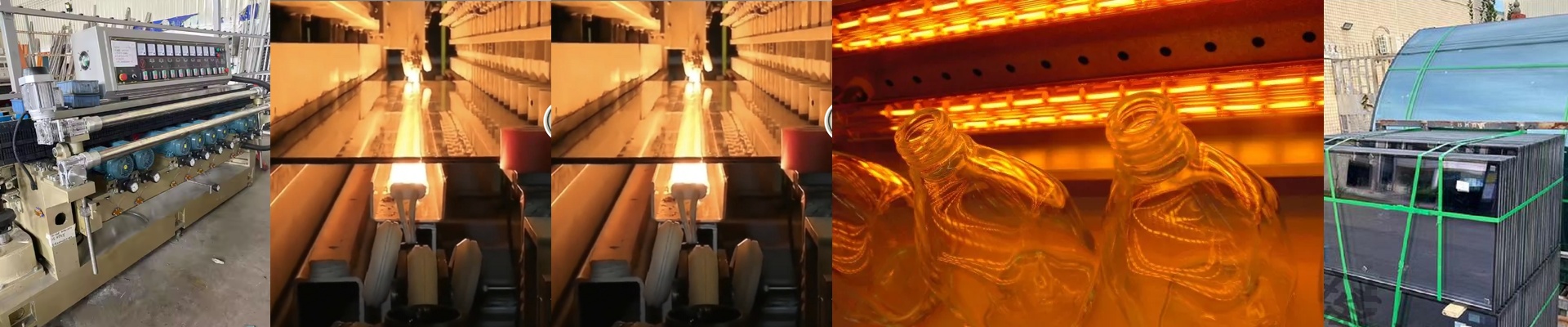
Most infrared heaters have a common breaking point: the connection. When you’re aiming for an IPX5 rating, you aren’t just trying to keep a few splashes of water out. You’re fighting a war against heat. In these high-temp environments, cheap sealants don’t hold up. They bake. They crack. They shrink. And once that happens? You’ve basically left the door wide open for moisture to hit your live terminals. The problem with “generic” seals A lot of heaters rely on basic silicone or some random glue to seal the lead-out. It looks fine at first. But then the thermal cycling kicks in—the heater gets hot, cools down, gets hot again. Eventually, that material loses its stretch and snaps. That’s when you get “carbon tracking.” It’s a nasty little process where a tiny leak creates a conductive path. Before you know it, you’ve got a dead short or a blown fuse on your hands. To actually hit a true IPX5 rating, we do things differently. We use industrial-grade, high-temp potting compounds. We don’t just slap a coating on the outside; we completely encapsulate the spot where the heating element meets the wire. It creates a mechanical bond that stays put, even while the quartz tube is expanding and contracting. Why the craftsmanship actually matters You can’t just slide a piece of shrink tube over a wire and call it “waterproof.” It doesn’t work. We use a multi-stage process. First, a high-temp adhesive, then a reinforced compression sleeve. This stops the “breathing effect”—that annoying thing where cooling air literally sucks moisture right into the housing. One quick tip: these seals make the lead wires a bit stiffer. When you’re installing them, give them a wider bend radius. Don’t force them into a tight corner, or you’ll put too much stress on the potting compound. Keeping things running A proper seal means your heater keeps its insulation resistance, even in humid areas or wash-down zones. It keeps the internal contacts from oxidizing. If you’re running these in a PET blowing machine or some other wet industrial setup, this seal is the only thing stopping your breaker from tripping every time the humidity spikes. It’s the difference between a smooth shift and a morning spent troubleshooting a dead machine.