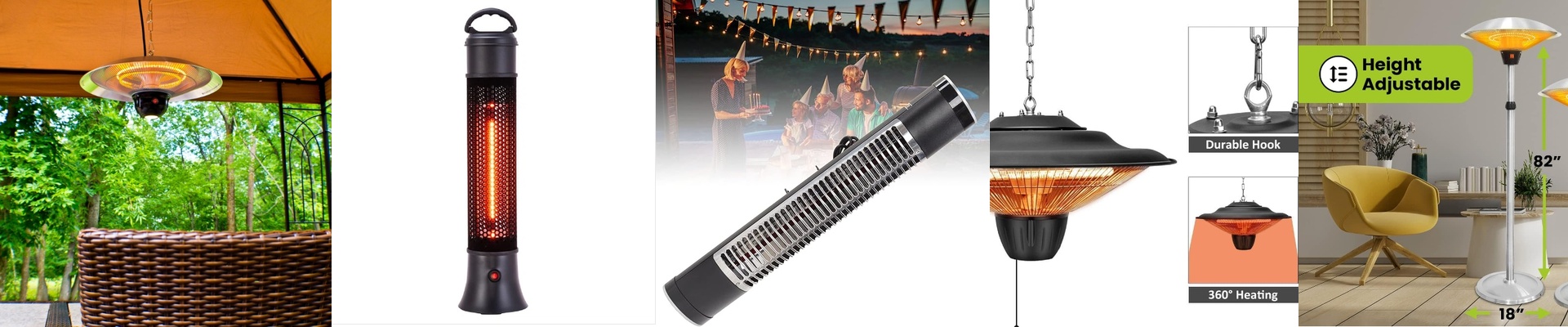
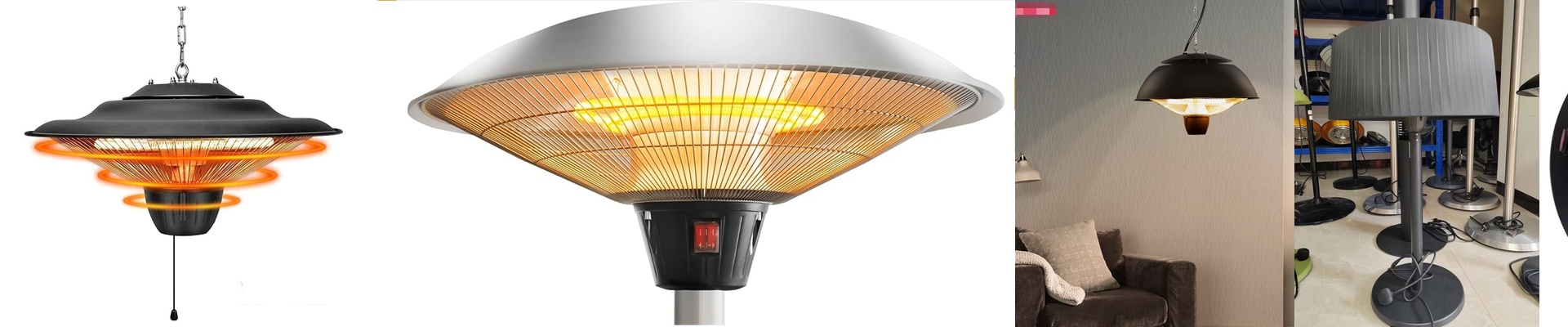

Keeping Your Bathroom Infrared Heaters Safe (and Dry)
Putting infrared lamps in a bathroom is a bit of a gamble if you aren’t careful. You’ve got steam everywhere and the constant threat of a stray splash of water. A basic housing just won’t cut it here. You need a setup that stops moisture from sneaking in and bridging the gap between your live wires and the metal frame.
Dealing with the Damp
The real enemy is water vapor. It gets into everything. To fight this, we lean heavily on high-grade silicone seals and polymers that can take the heat. Why? Because of something called “tracking.” That’s basically when moisture creates a tiny, invisible bridge across your insulator. If that happens, you’re looking at a short circuit or a ground fault. Not exactly the vibe you want while taking a shower.
Picking the Right Parts
Here is a pro tip: keep the mounting bracket and the electrical contacts far apart. We use ceramic or reinforced glass to keep the heating element isolated. And please, make sure the chassis is bonded to a proper earth ground. If a seal eventually gives way and water hits a live wire, you want your GFCI to trip instantly. It’s much better to flip a breaker than to have the entire fixture become electrified.
The Balancing Act: Air vs. Water
Here’s the tricky part. If you seal everything airtight to keep the water out, you trap the heat inside. If it gets too hot, your internal wiring starts to fry. We handle this by using vented housings. They let the fixture breathe, but we add hydrophobic coatings and “drip loops” to make sure water just slides right off instead of dripping into the electrical guts. One last thing—use moisture-rated cabling (like H05VV-F). Standard wire will break down over time in a humid room. Also, get in the habit of checking your seals every few years. Silicone doesn’t last forever. Once it starts to crack, your insulation drops, and that’s when things get risky.