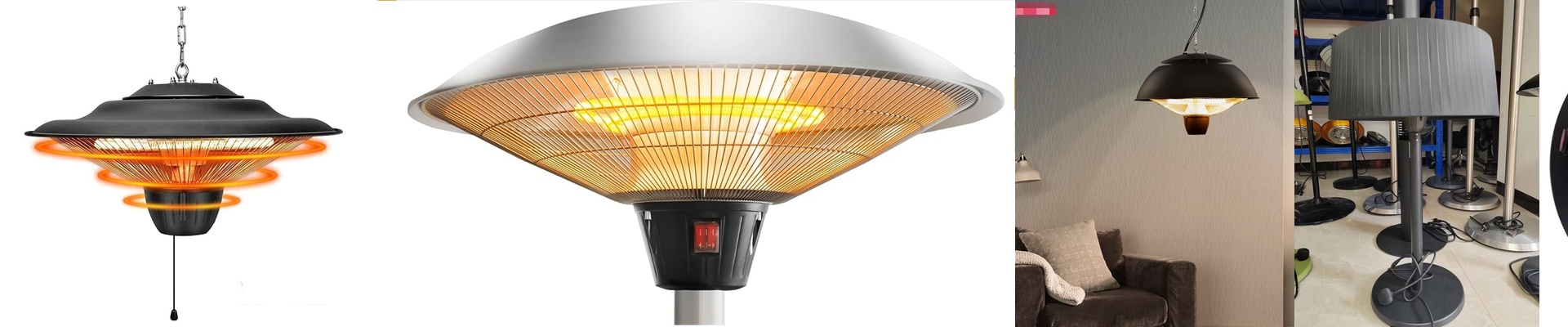
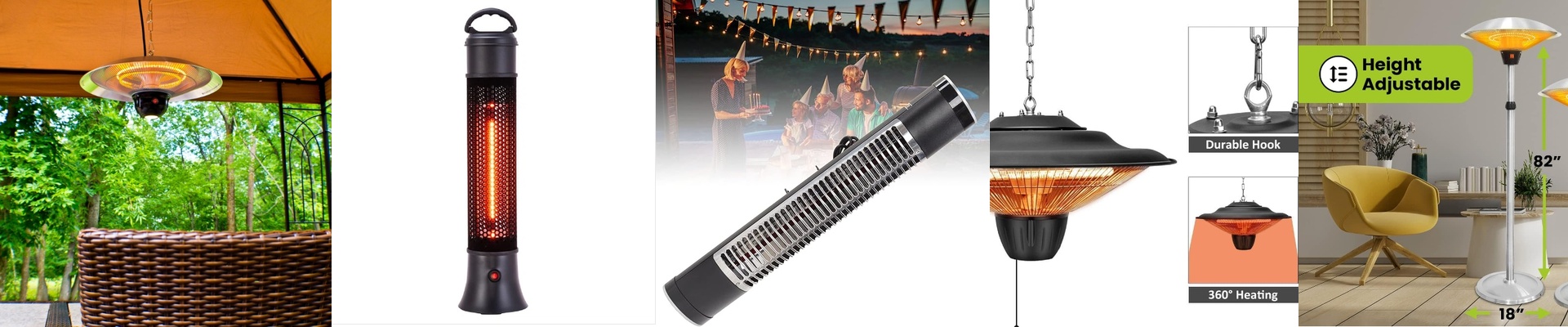
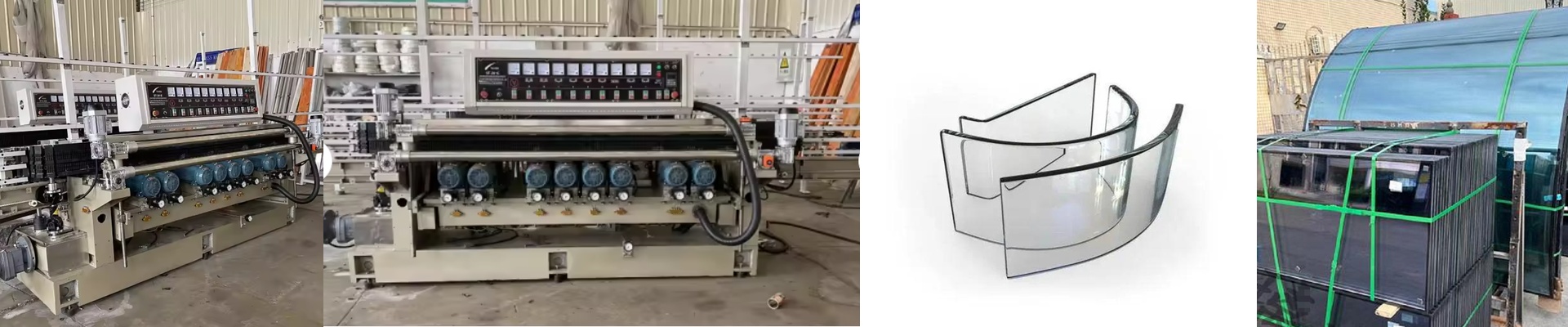
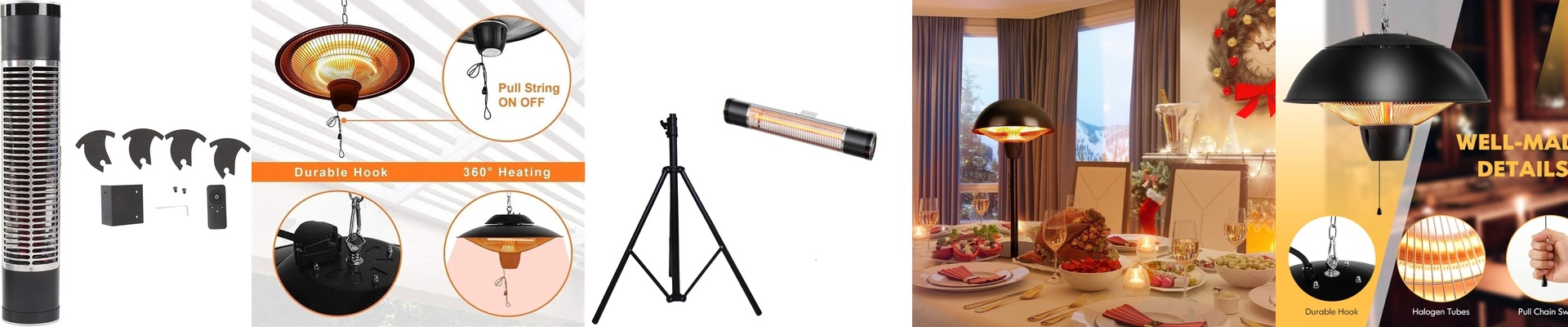
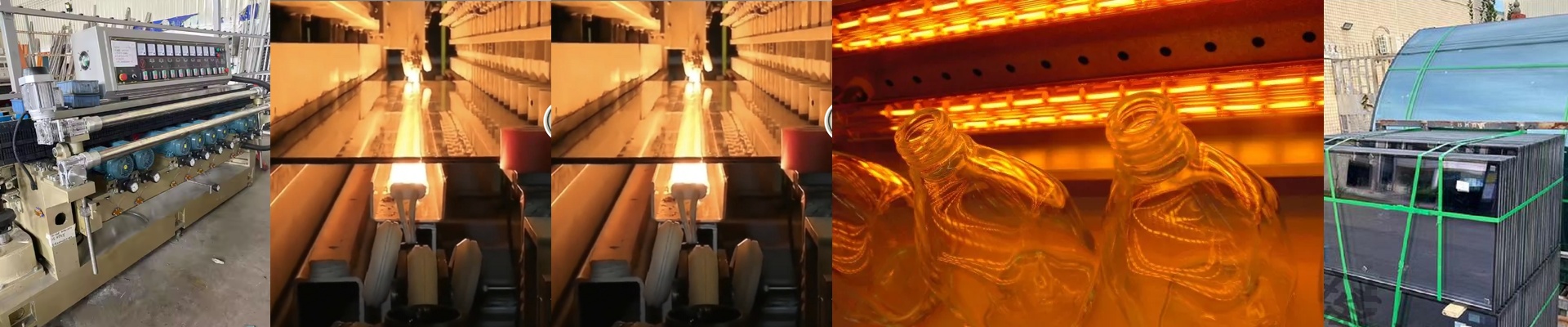
Out on the line, quartz components don’t give you much leeway when heat starts drifting. Uneven temperature across the load? You’ll see stress cracks pop up. Cycles get dragged out. Yield takes a hit. We built this heat treatment setup to cut that waste off at the pass. What we focused on, technically We run short-wave infrared elements with a quartz-rich emitter body, chosen for fast response and tight control. The system climbs fast to setpoint, then holds stability within ±3°C across the whole load. That precision keeps thermal gradients down — the kind that drive warpage and micro-cracking during annealing and forming. And by keeping convection losses low, the energy goes into the glass, not into heating the space around it. Why it sticks in a glass shop In production, you need a heat profile you can count on, shift after shift. This module drops into standard furnace and oven interfaces, so you can replace aging heaters without scrapping the line. When the door opens, recovery is quick, so the thermal cycle stays intact and part consistency holds. The payoff is fewer rejects from thermal stress, shorter changeovers, and less kWh per batch. In one plant running 24/7, we measured a 12% cut in energy use with throughput unchanged. A few shop-floor realities Installation is straightforward, but the quartz emitter needs clean mounting and stable voltage. Keep supply voltage within ±5% to protect filament life and avoid hot spots. Give the profile time to settle after warm-up — bake that into your changeover plan. If you’re running in high humidity, pay extra attention to terminal sealing. And plan inspections every 2,000 hours to keep performance steady.