
Introduction
We build medium-wave quartz heater tubes for engineers who want infrared heat they can count on—without turning the whole integration into a giant project. The whole idea is simple: stop piecing together a single lamp and start using a pre-built, pre-tested heating module that just… works. You wire it up, you run it. That’s it. We turn what used to be a complicated thermal subsystem into a drop-in part. Less time spent on alignment. Less time spent on field labor. More time spent on what actually matters.
Technical Deep-Dive: Power, Voltage, and Geometry
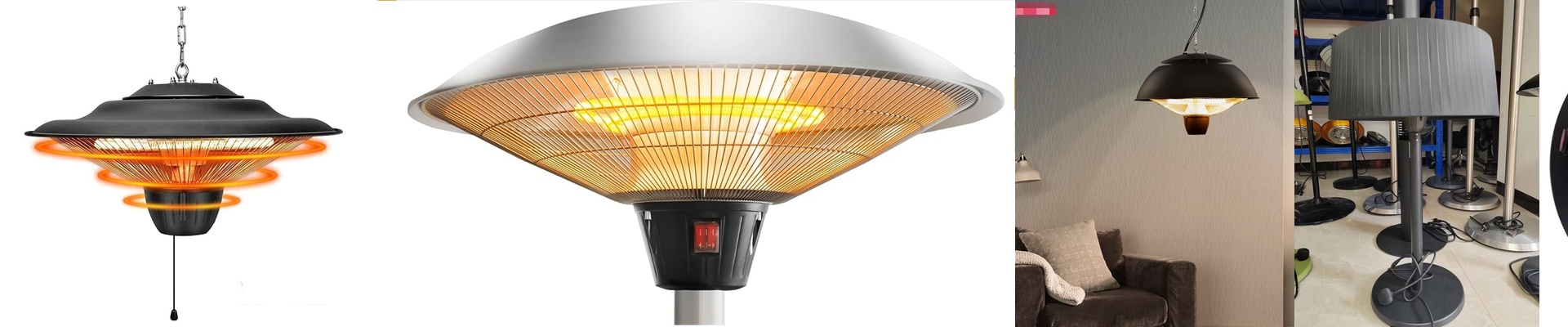
Here’s the heart of it: inside the quartz tube, resistive heating elements are tuned for the 2–4 μm band. That spectrum gives you fast response and tight control—exactly what industrial heating needs. But good control needs a stable electrical platform. That’s why we typically spec these tubes for higher voltage, often 400V. Higher voltage means lower current for the same power. And lower current means you can use smaller conductors and cut down on losses in the wiring harness and terminals. Wattage and length aren’t random. They’re matched to the heat density you need and the space you have on the machine. Take a compact 300 mm tube rated at 2500 W. It delivers intense, focused heat in a small footprint—great when space is tight. But it also means your surrounding frame and cooling have to be ready for that heat. You get a lot of power in a small package, and the machine needs to be built to handle it.
Material & Design: Quartz, Coating, and Connectors
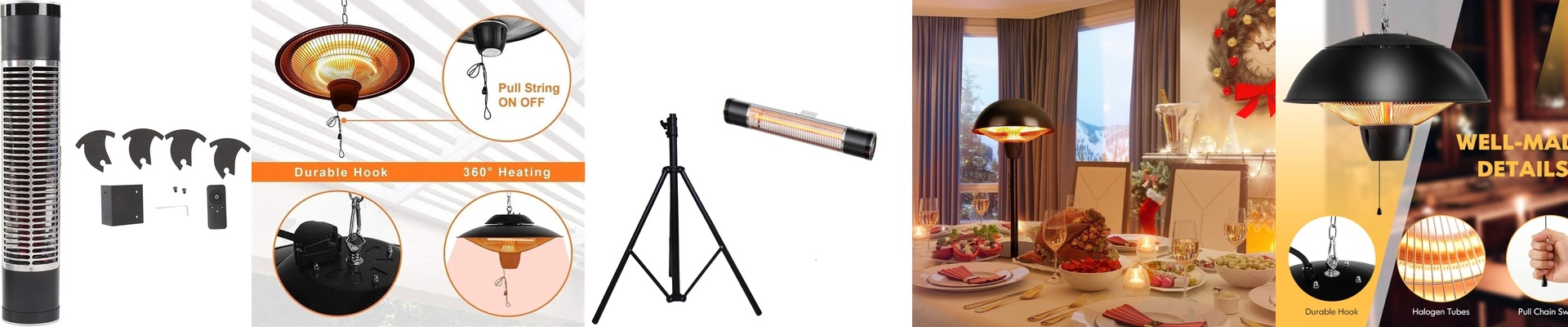
Quartz is the material because it can take the heat—and it doesn’t panic when temperature swings happen. The element inside runs hot, and the envelope needs to stay steady without softening or changing over time. For clean, consistent output, the tube can be halogen-filled, which helps extend element life by reducing hot-spot evaporation. We also add a reflective coating on the outside. It pushes energy forward where you want it, improves directional efficiency, and keeps stray heat off nearby components. And those connectors—R7s, SK15—they weren’t picked by accident. They hold up under vibration and thermal cycling, and they make replacement straightforward. In a modular build, we pre-wire the tube with the mounting bracket and lead assembly. So instead of juggling multiple connections, you’re dealing with one clean interface.
Application & Benefits: Ready-to-Run Modules
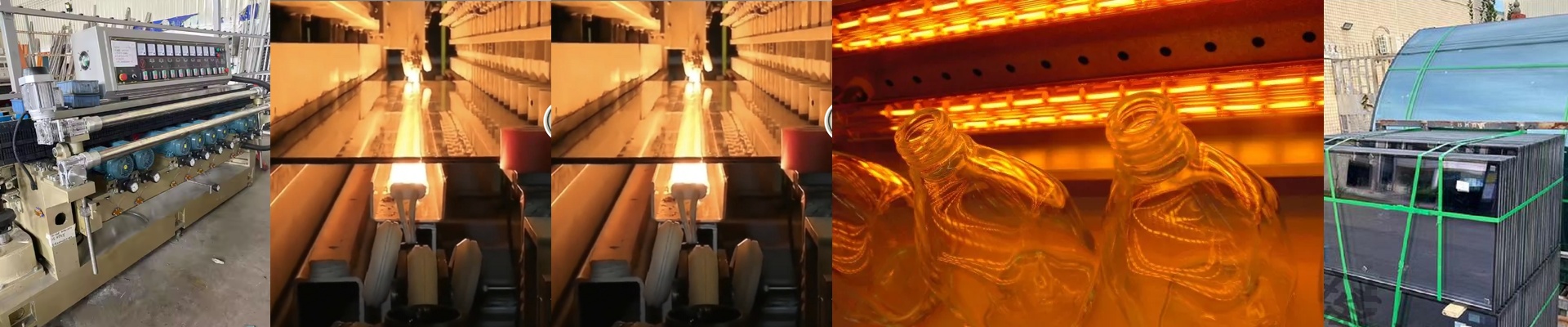
In the real world, these modules shine where uptime and repeatability matter—plastic processing, coating curing, component forming. The turnkey module turns what used to be a field chore into one installation step. No more aligning the tube, no more tightening terminals, no more thermal testing as separate jobs. You save labor hours. You cut wiring mistakes. And you get performance that stays consistent from machine to machine. Now, there is one thing to plan for: thermal management. High power density in a compact module means you need proper airflow, shielding, and heat isolation on the machine side. But when you spec the module right and design the surroundings to handle the heat, you get predictable heating with way fewer headaches—and results that repeat, run after run.