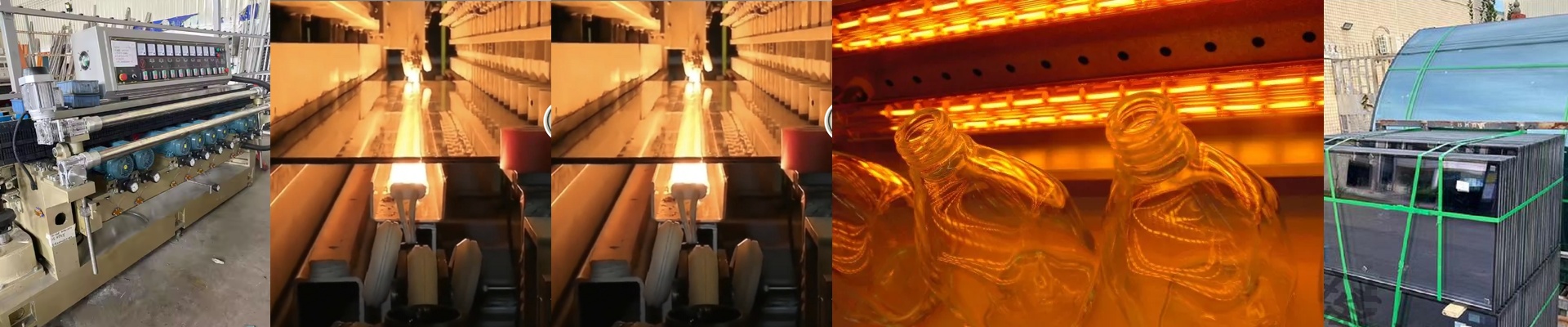
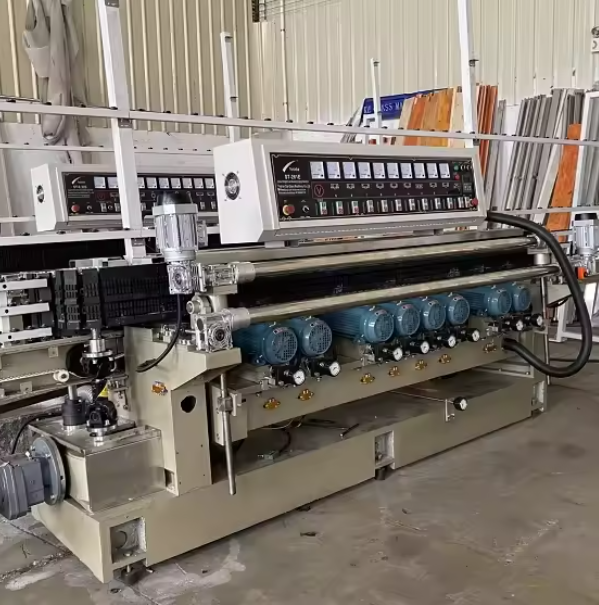
On the line, a heater fault rarely shows up with fanfare. More often, it shows up as a wavy edge in tempered glass, a bubble in lamination, or a furnace that takes too long to come up to temperature and drags the whole shift with it. Before you start scrapping glass, look at the heater. What actually matters under the hood We build heater modules around repeatable heat transfer, not some flashy peak wattage number on a spec sheet. In glass work, you’re typically choosing between short-wave quartz for fast, direct radiation, or medium-wave when you want a more even, convection-dominant profile. Short-wave gets you up to speed fast—handy for tempering and coating drying. Medium-wave smooths the thermal field, which is what you want for bending and for curing lamination stacks. In practice, the specs that matter are power density matched to glass thickness, zone control tight enough to keep temperature spread under ±2°C, and a quartz envelope that can take thermal shock and the daily grind of repeated on/off cycles. The connections are built to survive conveyor vibration, and the mounting dimensions are kept consistent so swaps don’t turn into a weekend project. Why this approach holds up on real equipment Tempering furnaces need stable, uniform heat to hit consistent surface compression and keep thermal stress fractures out of the run. Bending stations need a predictable temperature ramp so the glass sags evenly—nobody wants the edges to go first. Lamination autoclaves and ovens need even heating across the whole stack so EVA or SGP cures out completely, without bubbles. When the heater delivers repeatable profiles across these processes, you spend less time chasing rejects and more time shipping good glass. You also save energy when the heater hits setpoint quickly and holds steady, and you cut downtime when the module drops in, aligns, and runs without re-engineering. A few shop-floor details that make the difference Installation is straightforward, but alignment is not optional. A mis-mounted heater will create hot and cold spots that show up as optical distortion. After a replacement, give it a short warm-up window before you expect the profile to settle. Keep the quartz surface clean and keep an eye on terminals—heat has a way of loosening things. If your line runs 24/7, plan heater swaps during scheduled maintenance. Swapping a heater mid-run changes the thermal inertia, and that can shift quality for a while.