
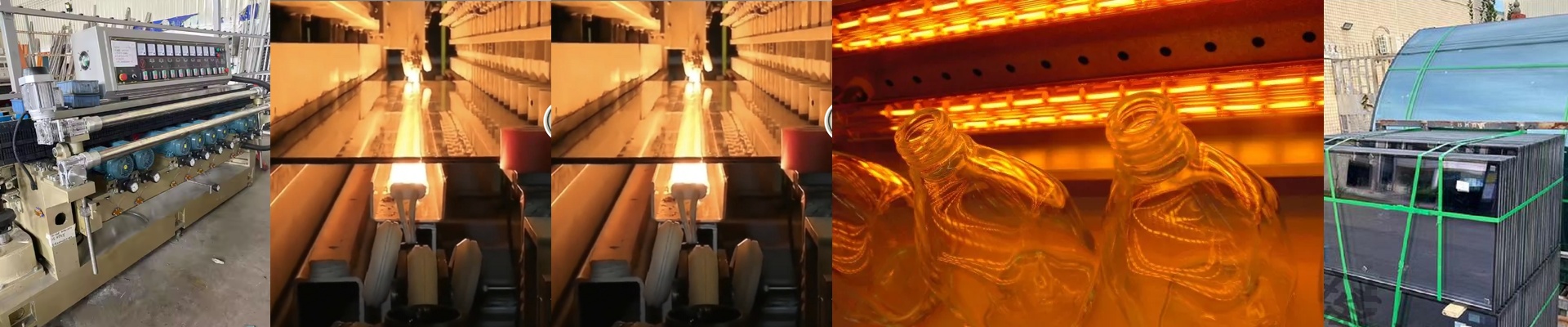

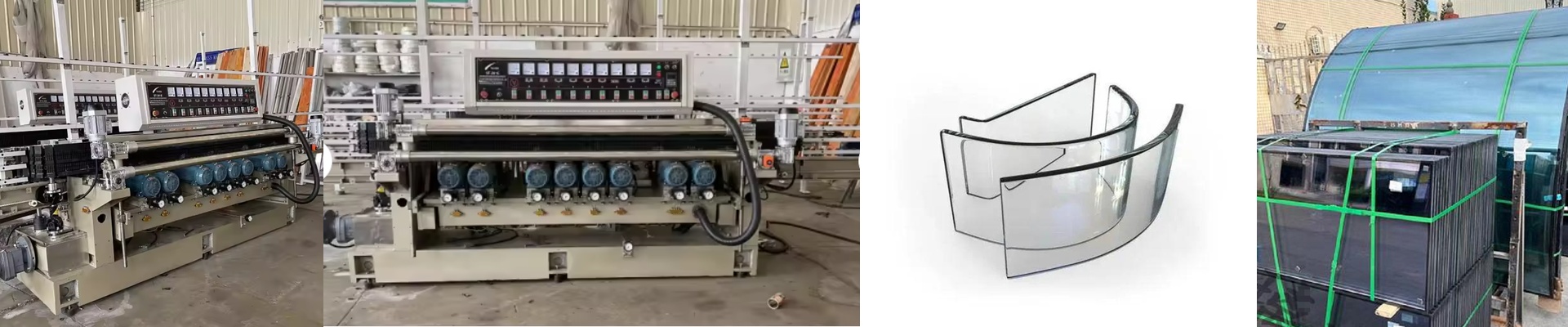
Out on the line, anti-fog coatings don’t fail because the chemistry is bad. They fail when heat isn’t even. You see it right there in inspection—hazing, adhesion problems, and rework that eats into margin. The dryer has to lay down stable temperature across the whole glass surface without pushing the glass into thermal stress or warp. When the heating profile drifts, yield slips and the schedule tightens up fast. What matters under the hood We built the anti-fog coating dryer around near-infrared (NIR) quartz emitters. They respond quickly and hold control tightly. Typical units run 120–240 V, with power matched to line speed and glass size, and footprints that drop straight into standard coater modules. The heater array is staged to create a uniform thermal field, so you don’t get hot spots that drive coating defects. Control is PID with closed-loop feedback, so the setpoint stays consistent even when ambient temperature shifts around. The payoff is drying that repeats without overshoot. Here’s why it works in practice. Anti-fog coatings need solvent out fast, but the substrate has to stay dimensionally stable. NIR energy penetrates the wet layer directly, so you cure faster without leaning on heavy convection that can ripple the film. That means shorter drying windows, higher throughput, and fewer scrapped lites from orange peel or uneven haze. Energy use drops too, because heat comes on demand and shuts down between cycles. On tempered, bent, or laminated glass, the process stays compatible since peak temperature is controlled and thermal shock is reduced. Installation is straightforward on most coater lines, but line-of-sight and clean quartz surfaces are non-negotiable. Coating vapors will deposit and drag performance down over time if you don’t stay on them. Confirm emissivity differences between coated and bare glass, then tune the profile to match. Expect faster heating than convection, but still verify belt speed and dwell to avoid under-cure. And keep a spare set of emitters on the shelf—even with solid materials, routine maintenance is what keeps uptime where you need it.