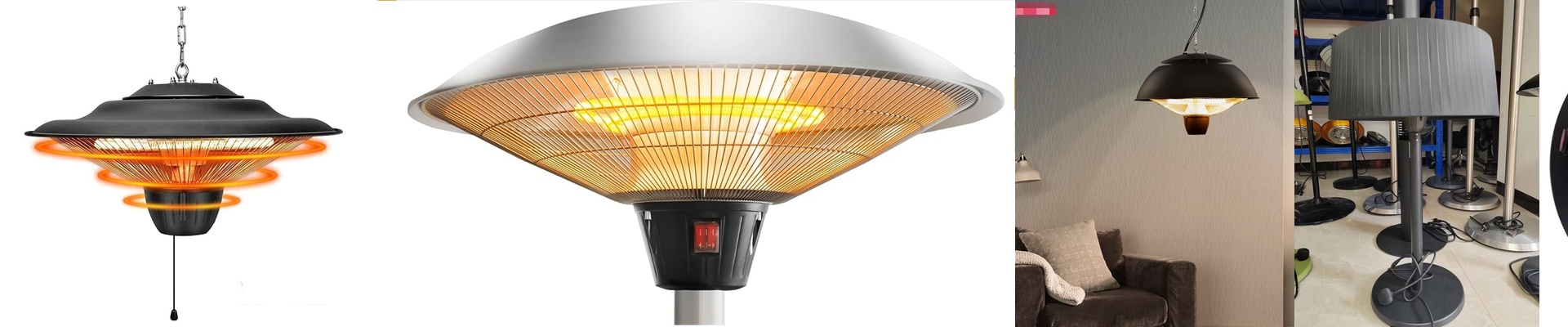
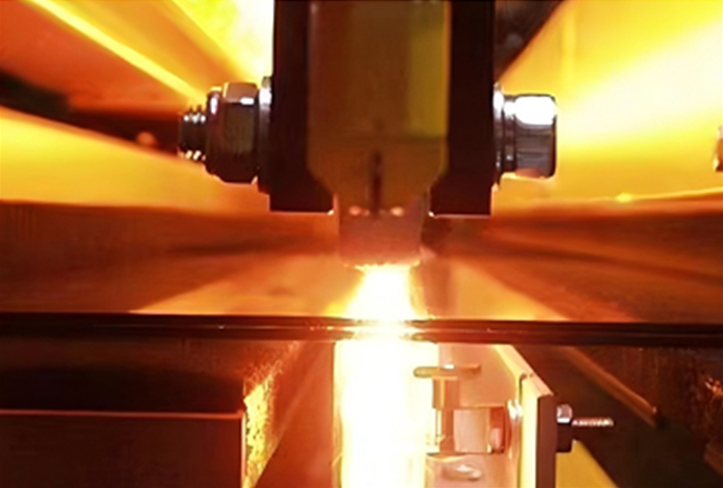
Here is the reality with lab glassware: if you don’t bleed off those internal stresses while the glass is cooling, it’s going to fail. Period. Even a tiny temperature swing—just a few degrees—and you’re looking at spontaneous fractures. It’s a nightmare. To stop that from happening, we use infrared lamps tucked into high-reflectivity housings. It’s the only way we can hit that razor-thin 0.1°C precision window. The problem with heat Most standard heating elements are messy. They create hot spots, and in the world of precision annealing, hot spots are the enemy. Instead, we use short-wave infrared emitters. These actually penetrate the surface to heat the bulk of the material from the inside out. But the real secret is the reflector. We use gold-coated or polished aluminum to bounce every stray photon back into the glass. If you skip the reflector, you lose about 40% of your heat to the machine chassis. That forces the lamp to work harder and run hotter, which makes hitting that 0.1°C target pretty much impossible. Smoothing things out To keep the glass from cracking, the heat needs to be flat across the whole vessel. We don’t just blast it with heat. That’s a recipe for disaster. We match the lamp’s power density to the thickness of the glass walls and use PID controllers to dial the output up and down. Between the controller and the reflector focusing the beam, the neck and the base of the flask hit the annealing point at the exact same time. The trade-offs Now, this kind of precision takes up space. You can’t just cram these lamps together. If the reflectors overlap or the housing is too tight, you get “heat soak,” which messes with your sensor readings. You’ll also want a solid cooling system for the lamp ends, otherwise, you’ll burn through your filaments way too fast. It’s all a balancing act between heat density and stability. If you try to cheat the clock by over-driving the lamps to save time, you’ll blow right past your precision window and ruin the entire batch. Not worth it.