The Headache of Cold Spots in Glass Annealing
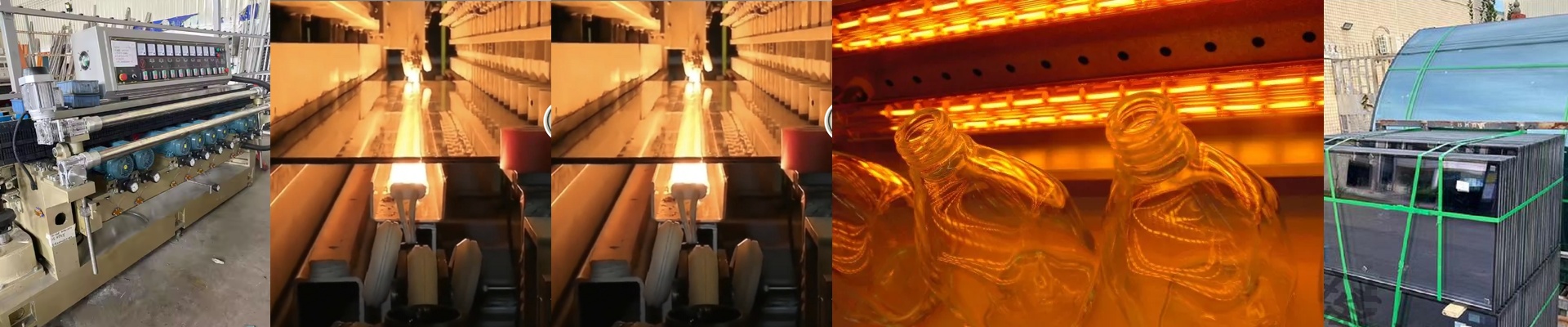
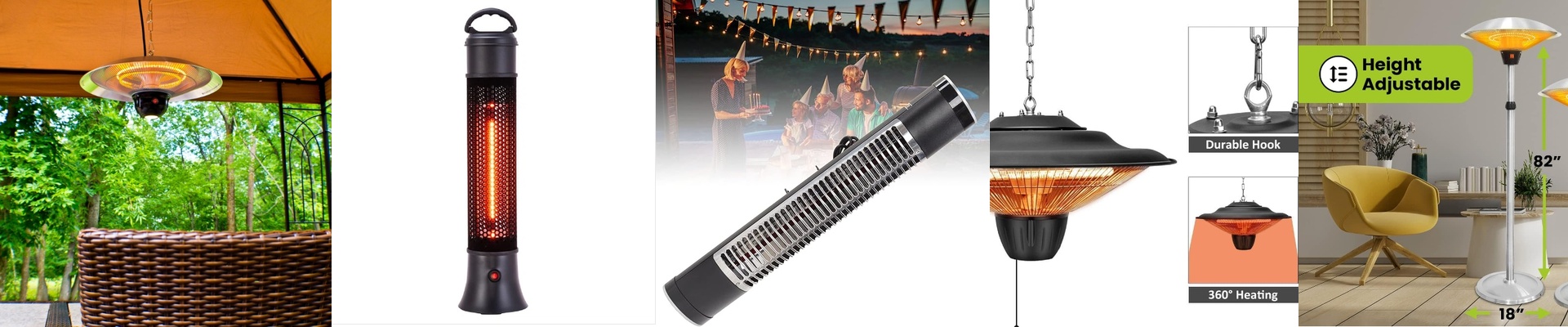
If you’ve ever worked with Spectacle glass, you know the drill. You’re running a long annealing tunnel, and everything seems fine—until you hit those gaps between the lamps. Most standard infrared lamps stop at 1.5 or 2 meters. That sounds like a lot, but in a long tunnel, those tiny gaps create cold spots. It’s a nightmare. Those temperature dips create internal stress in the glass, and before you know it, your pieces are fracturing during the cooling phase. It’s frustrating, and it’s expensive. That’s why we started building custom heating units that push way past that 2-meter mark.
It’s not just about “making it longer”
You can’t just stretch out a piece of quartz and call it a day. If you do, the filament will either sag or just burn right out in the middle. We spend a lot of time obsessing over the voltage and wattage. We balance the ohms across the entire length so the heat stays flat. If you just dump too much power into a long tube without a plan, you’ll end up with “hot spots” that ruin the glass. It’s a delicate balance.
Getting the build right
To keep these long tubes from snapping under their own weight, we use heavy-wall quartz. It’s tougher and handles the mechanical stress much better. The real win here is the layout. Because these units sit end-to-end, you get rid of that “zebra effect”—you know, those annoying alternating stripes of hot and cold that you see with shorter lamp arrays. We also use reinforced connectors. Tunnels expand and contract constantly as they heat up and cool down, and cheap wiring just can’t take that kind of fatigue.
The trade-offs (because nothing is perfect)
Here is the honest part: longer lamps make your wiring a lot cleaner since you have fewer circuits to deal with. But they are a bit more nerve-wracking to install. A 2-meter-plus tube is fragile. One wrong move or a clumsy bump during the drop-in process, and crack—there goes your tube. You also have to keep an eye on your power supply. These long filaments have a specific inrush current. If your controllers aren’t built for the custom wattage, you’re going to blow a fuse the second you flip the switch. It’s a quick fix, but a huge pain if you’re in the middle of a production run.