Stop Waiting on OEM Parts for Your Glass Stress Relief Lamps
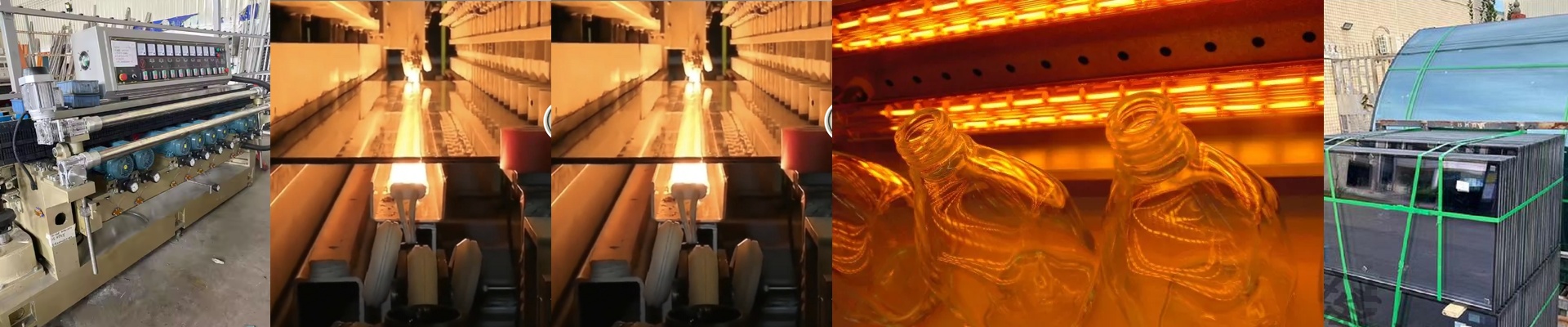
There is nothing worse than a production line grinding to a halt because you’re waiting on a spare part from a manufacturer who’s backlogged for weeks. It’s frustrating, it’s expensive, and it’s completely avoidable. We fix that. We build drop-in replacement infrared lamps for glass stress relief and tempering that actually arrive on time. Usually, we can get them to you in about 7 days.
Getting the Heat Just Right
Glass is finicky. If you don’t hit the right temperature gradients, you either leave internal tension in the glass or, worse, you cause a thermal shock that ruins the whole batch. We don’t do “one size fits all.” We look at your specific wattage and voltage to make sure the heat flux matches exactly what your machine expects. Need short-wave radiation to hit the surface fast? Or maybe medium-wave to get deeper into the glass? We just tweak the gas fill and filament density until it’s dialed in. One quick heads-up: if you go for high-wattage tubes to get more heat, just double-check your wiring and power supplies. You don’t want to fry your system or burn out a brand-new lamp because the current draw is too high.
The Stuff We Use
We use high-purity quartz glass because it can handle the constant heating and cooling of a production environment without cracking. Sometimes, standard quartz isn’t enough. In those cases, we add specialized coatings to the tube. This basically “steers” the heat so it hits the absorption bands of your glass more effectively. As for the fit? We use R7s or SK15 connectors. They’re the industry standards, which means you can just pop the lamp into your existing sockets. No need to spend your afternoon rewiring the entire heating bank.
Making It Fit
Our lamps are built to the exact length and diameter of your original housing. This is important because if the lamp is off by even a little, your focal point shifts, and you aren’t heating the glass sheet evenly. But here’s the trade-off: if you push for extreme temperatures by cranking up the wattage, you’re putting more stress on the quartz. Plus, if your shop has a lot of vibration or chemical fumes, the lamps won’t last as long. We handle the balancing act for you—adjusting the wall thickness and filament tension so the lamp stays tough without sacrificing the heat you need.