

The Realities of Building Ultra-Long IR Heaters for Glass Tunnels
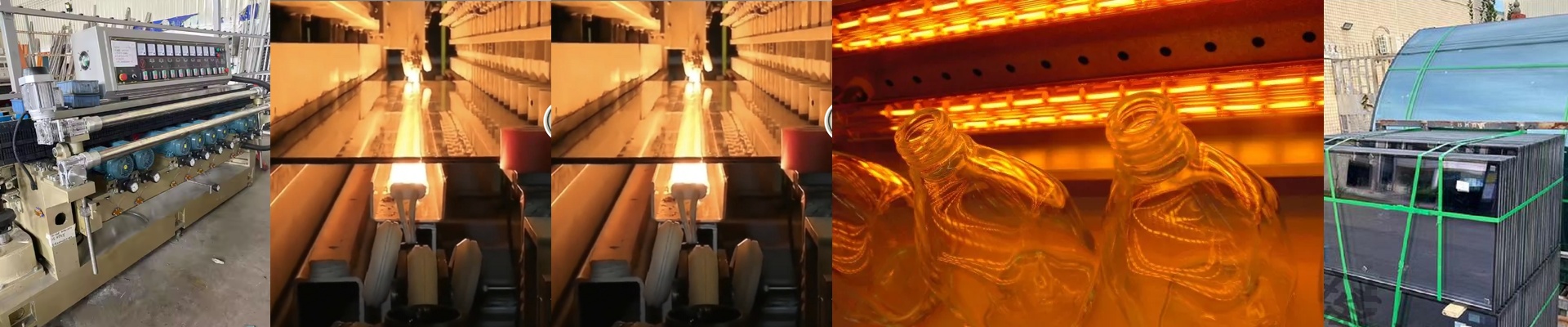
If you’re designing a glass tunnel kiln, you quickly realize that you can’t just take a standard lamp and stretch it out. Once you hit that 2-meter mark, physics starts fighting you. You’re suddenly dealing with voltage drops, thermal expansion, and the nightmare of “cold spots” that can ruin a whole batch of glass. Getting the power right Here’s the thing: we don’t just guess the wattage. We calculate exactly how many watts every single centimeter needs so the temperature stays flat across the glass. For these long runs, we usually ditch the standard 220V setups. Why? Because when you line up dozens of these lamps, the current draw gets wild. High-voltage configurations keep the wiring from overheating. If the power isn’t perfectly balanced, the ends of the tube will just burn out while the center is barely working. Nobody wants to replace lamps every other week. Dealing with the heat (and the stretch) We use high-purity quartz for the tungsten filaments. Short wave radiation is the only way to get heat deep into the glass quickly without just heating up the air around it. But there’s a catch. A 2-meter tube actually grows when it gets hot. It physically expands. If you bolt it down tight, the glass will just snap under its own pressure. That’s why we build the mounting brackets with a bit of “float.” It gives the tube room to breathe. We also use reinforced end-caps and heavy-duty connectors so the whole thing doesn’t fall apart during a thermal cycle. The trade-offs you should know about These units pack a massive punch. You’ll get your glass up to temperature incredibly fast, and you’ll save a ton of floor space compared to those clunky gas furnaces. But it’s not all magic. That kind of power density puts a lot of stress on your gear. Your electrical panel and cooling fans need to be up to the task. If your ventilation can’t pull the ambient heat away from the reflectors, you’re going to kill your filaments way faster than you should. Before you wire up a full tunnel array, do yourself a favor: double-check your amperage overhead. It’ll save you a massive headache down the road.