
Why we’re ditching old bathroom lamps for IPX4 Infrared
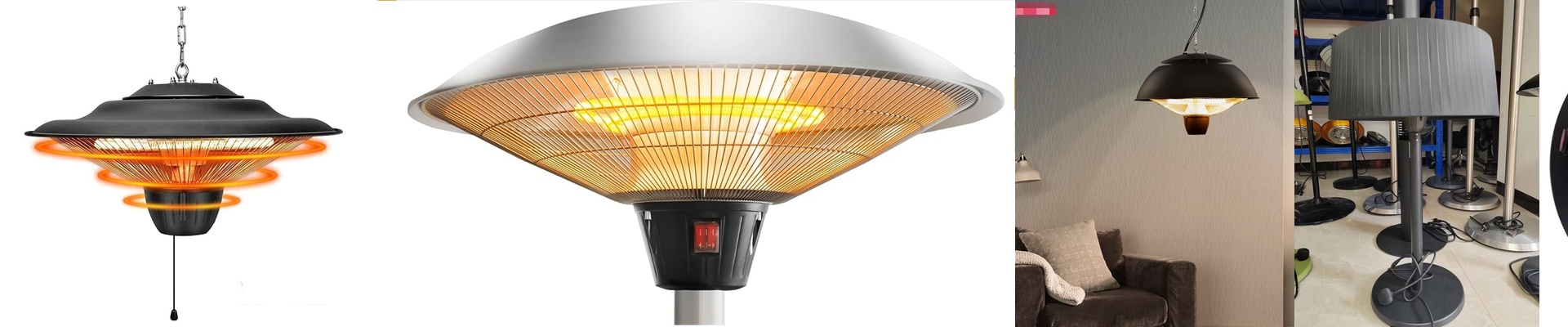
If you’ve ever used one of those old-school bathroom heat lamps, you know the deal. They’re okay, but they aren’t really built for the chaos of a steamy shower. We’re seeing more people switch over to IPX4-rated infrared heaters during renovations, mostly because the standard stuff just can’t handle the humidity.
Let’s talk about that “IPX4” thing
In plain English? It means the unit can take a splash from any direction without blowing a fuse. We make this happen by sealing up the electrical junctions and using gaskets that keep steam from sneaking into the guts of the machine. Think about it: in a bathroom, water vapor loves to settle on cold surfaces. If your heater isn’t built for that, you’re looking at short circuits or a heating element that rusts out way too fast.Nobody wants that.
Infrared vs. The Old Way
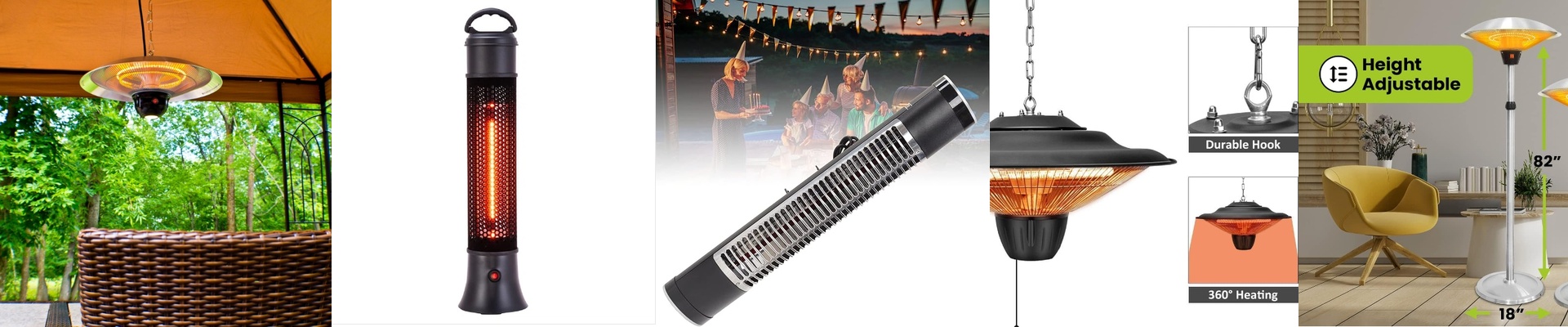
Here’s the big difference: old warmers try to heat the air. Infrared is different. It sends out waves that hit your skin (or your towel) directly. It’s fast. Really fast. You aren’t wasting twenty minutes trying to warm up the entire volume of the room just to feel a bit of heat. We use quartz tubes with special coatings to make sure the heat gets to you efficiently, while the fixture itself stays at a temperature that won’t burn your hand if you accidentally touch it. You get a ton of warmth without needing a massive, clunky machine.
A few things to watch out for
Before you go ripping out your old wiring, a heads-up: these units need their own dedicated circuit. High-wattage infrared lamps pull a lot of power. If you’re working with an old house,**check your wire gauge.**If the wires are too thin, they’ll overheat, and that’s a problem you don’t want. And just to be clear—IPX4 means “splash-proof,” not “submarine-proof.” You can’t blast these things with a power washer or dunk them in a tub. They’re great for steam and the occasional stray spray of water, but they aren’t meant for high-pressure streams. Just follow the mounting guide so you don’t have water dripping straight into the seals.