Stop Wasting Energy on Glass Tube Sealing
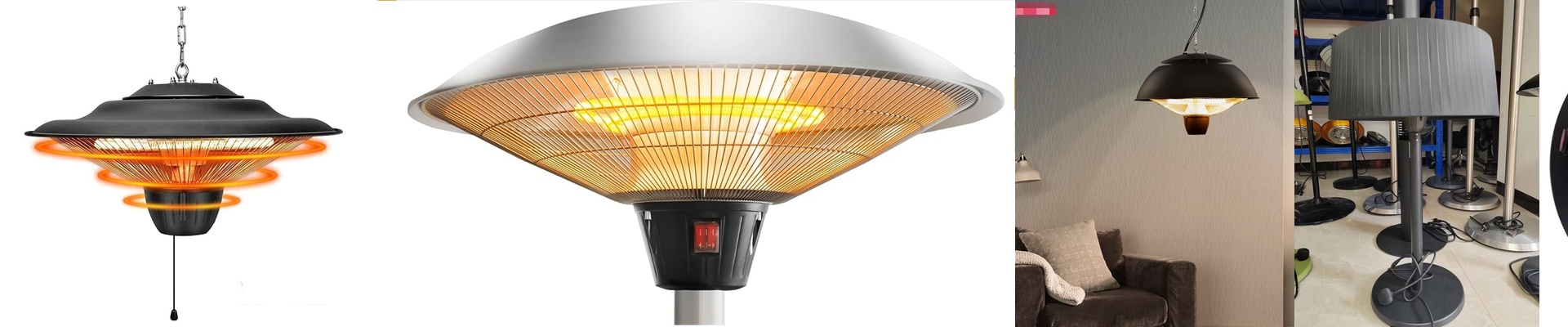
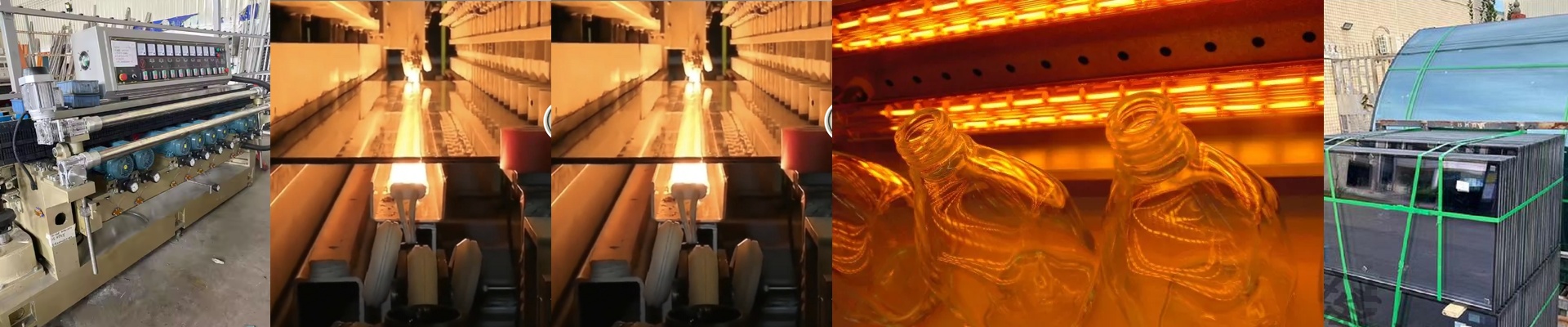
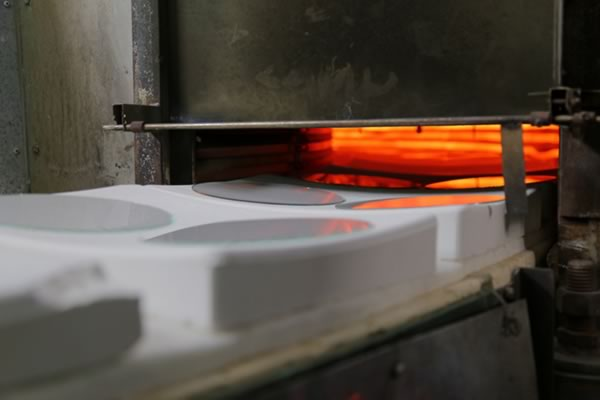
Let’s be honest: glass annealing is usually the biggest energy hog on the production line. If you’re using traditional ovens, you’re basically paying to heat up the entire room just to get a few tubes sealed. It’s a waste of power and, frankly, a waste of time. We do things differently. We use targeted infrared (IR) heating lamps that hit the glass directly. No more waiting around for a chamber to warm up. You just get straight to the seal.
How the heat actually works
Here’s the thing about IR lamps: they use shortwave radiation. Instead of heating the air and hoping that heat eventually reaches the glass, the waves dive right into the material. It’s fast. Really fast. When you’re setting up your system, keep an eye on your wattage-per-centimeter. That’s what controls your ramp-up speed. Just a heads-up—if you go with high-density lamps to get the job done quickly, make sure your cooling fans are up to the task. You don’t want your lamp housings overheating while you’re trying to hit your targets.
The gear behind the heat
We build these lamps with high-purity quartz glass. We do this so the envelope doesn’t get soft when things get hot. Plus, we keep the hardware simple. We use standard R7s or Sk15 connectors, so you can just pop them into your existing setup without a headache. Some of our versions even have a special coating. It keeps the heat locked into the glass instead of letting it bleed into your machine frame, which keeps everything running cooler.
Saving some actual cash
Switching from those old resistive heating elements to IR lamps kills the long “warm-up” window. You stop paying to heat the air and start paying only for the tube. If you pair this with a PID controller, you can keep your temperatures steady. You won’t have to deal with that annoying temperature overshoot that puts stress on the glass. One thing to keep in mind: these lamps don’t last forever. Depending on how often you’re cycling them, you’ll need to swap them out every now and then to keep your heat output consistent across the whole line.