More Than Just a Part: Getting Your Glass Annealing Right
Anyone can sell you a heating element. That’s the easy part. The hard part? Making sure that element actually survives a 24/7 annealing lehr without blowing out a week later. We don’t just throw tubes in a box and ship them. We want to figure out why your current setup is acting up or why your heat isn’t hitting where it needs to.
The Reality of the Heat
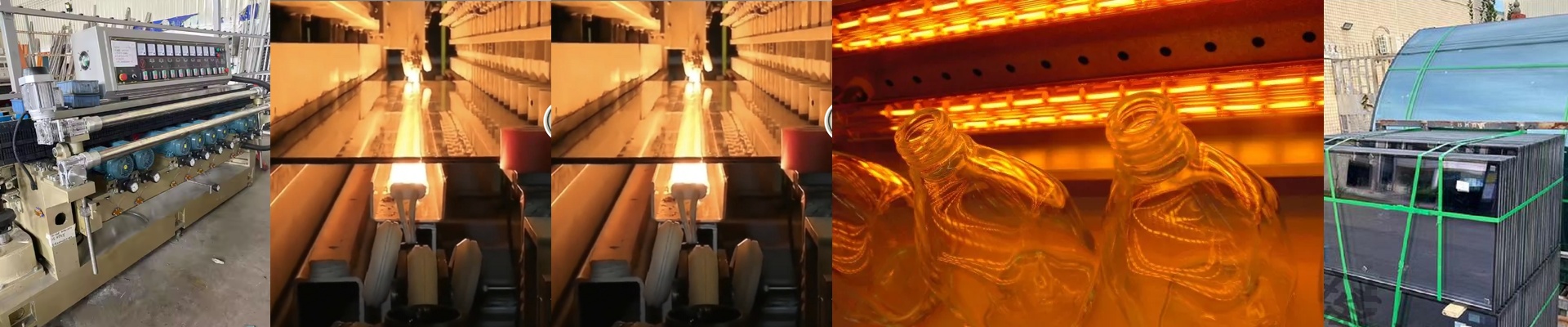
Annealing is all about that precise temperature slide to get the stress out of the glass. If you cram too much wattage into a short tube, you get hot spots. And hot spots mean you’re just stressing the glass all over again. We look at what you’re actually heating. If you’re running thick-walled jars, you need a high-wattage quartz element to get that rapid ramp-up. But there’s a catch. That puts a lot more pressure on your power supply. You’ve got to balance the voltage drop across the circuit, or you’ll find some lamps in the bank are running hot while others are barely lukewarm.
The Nitty-Gritty: Materials and Plugs
We stick with high-purity quartz because it can handle the constant swinging between extreme heat and cooling. Depending on your setup, we can add coatings that shift the emission spectrum. It sounds technical, but it basically means the heat actually sinks into the glass instead of just scorching the surface. Then there are the connections. We use R7s or Sk15 bases. They aren’t just about fitting into the slot; they’re built to breathe. Metal expands and contracts when it gets hot. If those connectors aren’t seated perfectly, you get arcing. And arcing is a fast track to a dead element.
The Balancing Act
Here is the trade-off: high-density IR elements let you keep your machine footprint small. That’s great for space. But when you push more watts into a shorter tube, the filament evaporates faster. You get your product through the line quicker, sure. But you’ll be replacing parts more often. We help you find that sweet spot where the life of the element actually lines up with your scheduled maintenance. Because let’s be honest—if you plug in a high-output lamp without checking your ventilation, you’re probably going to fry your control electronics. We look at the whole machine. The part is just one piece of the puzzle.