Why Your Glass Tunnel Kiln Needs More Than Just Standard Lamps
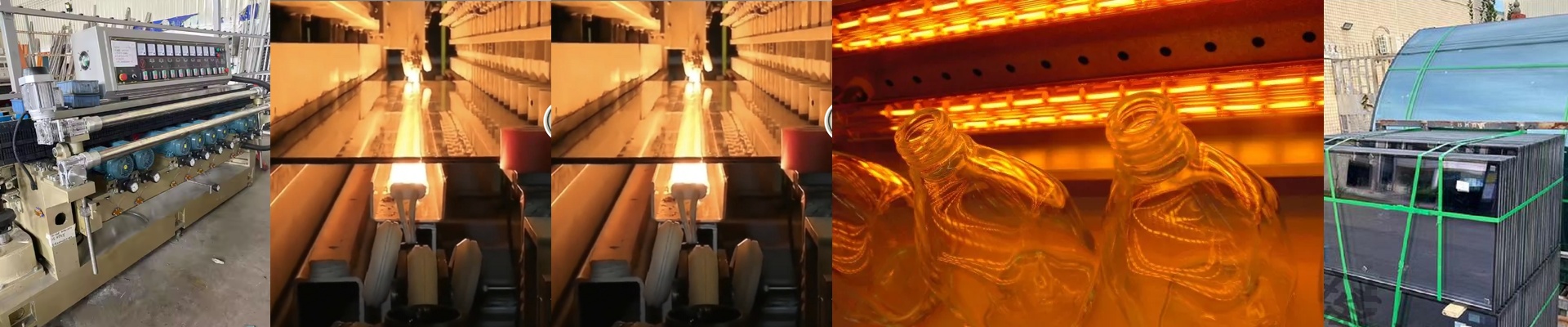
Most infrared lamps stop at about a meter. That sounds like enough until you’re actually running a long glass tunnel kiln. When you string together a bunch of short lamps, you get these annoying “cold spots” at every single joint. It’s a headache. That’s why we build continuous heating units that push way past 2 meters. The trick to the length You can’t just stretch a standard filament and hope for the best. If you do, the tube will either snap or burn out. Plus, if you shove too much current through one long tube, you’re basically asking for a blowout right in the center. We handle this by obsessing over the wattage per centimeter. We balance the electrical load so the heat stays flat and steady across the entire run. No spikes, no dips. Just a consistent temperature from end to end. Dealing with the heat stress When your glass moves through a steady heat field, everything just works better. But these long units are a bit temperamental during setup. We use high-purity quartz envelopes to take the hit from thermal shock, but the installation is where people usually trip up. You can’t just jam them in there. Quartz expands and contracts as it heats up. If your mounting brackets are too tight, the lamp is going to crack the very first time you cycle it. It’s a loud, expensive mistake that’s totally avoidable. A quick warning on power and cooling Here is the catch: these ultra-long units put a massive heat load on your kiln’s chassis. They give you that perfect, uniform annealing for large glass sheets, but they also throw a ton of heat upward. If your cooling fans and exhaust hoods aren’t up to the task, you’re going to cook your wiring and fry your controllers. And one last tip? Double-check your amperage draw across the whole bank. You don’t want to be the person tripping breakers every time you do a cold start.