Stop treating your quartz sleeves like basic hardware
Most people buy quartz sleeves the way they buy lightbulbs. They look for a length, check the diameter, order a box, and just hope for the best. But here’s the thing: a sleeve isn’t just a piece of glass. It’s the only thing standing between your heating element and your workpiece. If the purity is off or the expansion isn’t quite right, your lamps aren’t going to last. Period.
The actual physics (without the textbook)
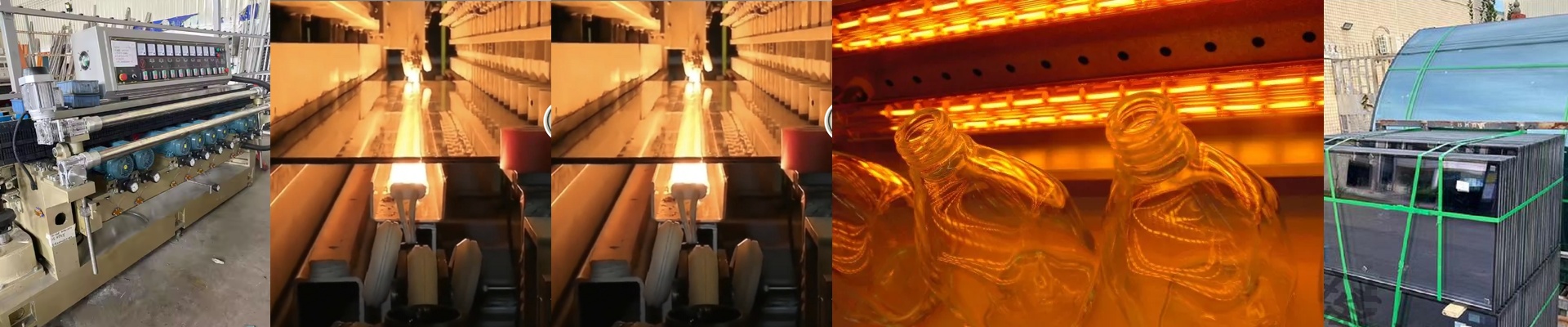
The sleeve is basically managing a massive amount of heat. We use high-purity fused quartz because it can handle those sudden, violent temperature swings without just snapping. When you’re pushing high-wattage lamps, the temperature difference between the inside and the outside is huge. That’s why we obsess over wall thickness. Go too thin, and you get great IR transmission, but the sleeve gets beat up by the factory floor. Go too thick, and it’s a tank—but your ramp-up time slows down. It’s a balancing act.
Why we want to see your shop floor
You can’t figure out a thermal problem by staring at a PDF. We’d much rather come out and see your setup in person. “Standard” parts usually fail because the real world is messy. When we’re on-site, we’re looking for the stuff a spec sheet ignores: ***Airflow:**Is the sleeve overheating because the air just isn’t moving? ***Gunk:**Are oils or chemicals eating into the glass and clouding the view? ***The Fit:**Is it sitting right, or is it vibrating? That vibration leads to stress fractures, and those lead to a broken line.
Finding the sweet spot
Sure, you could go for the highest purity quartz available. It’ll let more light through and potentially last longer. But it’s pricey, and ironically, it can be more fragile when it comes to physical bumps and bruises. We help you find that middle ground. You want a sleeve that lasts long enough to keep your downtime low, but you don’t need to spend a fortune on “overkill” specs that don’t actually help your bottom line. At the end of the day, we aren’t just shipping you a tube. We’re making sure your heat stays steady from the first part of the run to the last.