Getting the Heat Right for Wide-Format Low-E Lines
If you’re preheating wide-format Low-E glass, you know the struggle. You need the heat to be exactly the same across the entire piece of glass. But once you go past 3 meters in width, those standard, off-the-shelf lamps just can’t keep up. You start seeing cold spots, and that’s where the trouble begins. That’s why we build custom infrared units. We design them specifically for these massive footprints so you don’t have to worry about uneven temperatures.
The Headache of the 3-Meter Mark
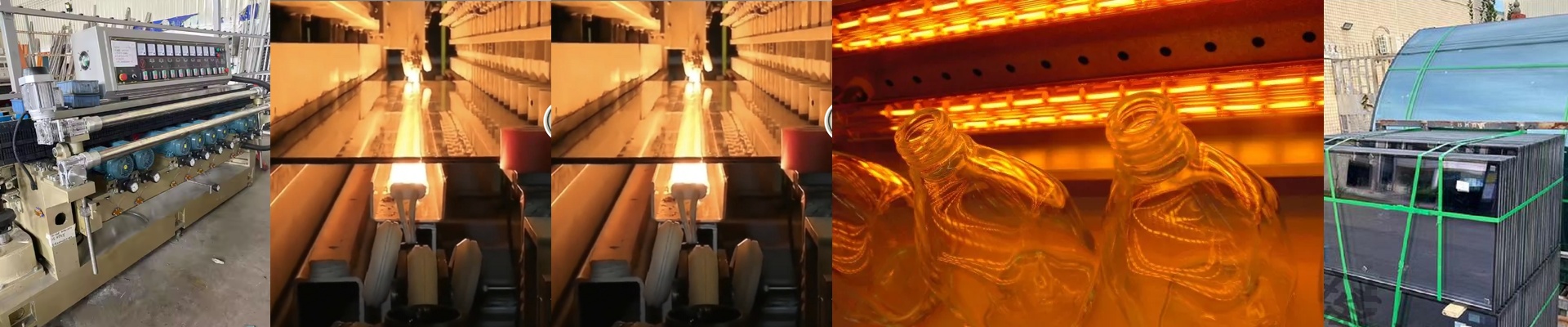
Building a heater that’s over 3 meters long isn’t as simple as just making it longer. You run into real-world problems—voltage drops and thermal expansion that can mess with your equipment. Here’s the thing: you can’t just stretch a filament to 3 meters. If you did, it would sag, warp, and eventually just burn out. Instead, we use a modular array of quartz lamps. We wire these banks in parallel or series, depending on what your plant’s voltage looks like. It’s a much smarter way to make sure the heat stays constant from the far left edge all the way to the right.
The Nitty-Gritty on Materials
We stick with high-purity quartz tubing because it lets the infrared light through without blocking it. For Low-E work, we usually go with short-wave or medium-wave emitters. They hit the glass surface fast and get the job done. And because we know the shop floor can be a chaotic place, we offer custom end-caps. Whether you’re using R7s or something more industrial, we make them “drop-in” replacements. You just slide them into your existing racks and they work.
A Quick Word of Caution
There is a trade-off here. These high-density arrays put out a massive amount of radiant heat. It gets your glass up to temperature incredibly fast, but it puts a lot of pressure on your oven’s cooling system. If your ventilation isn’t beefy enough to handle the total wattage of a 3-meter bank, you’re going to have a problem. You’ll overheat the lamp housings, and your filaments will die way sooner than they should. It’s all about balance. You have to match your lamp wattage with your airflow, or you’ll spend way too much time replacing burnt-out bulbs.