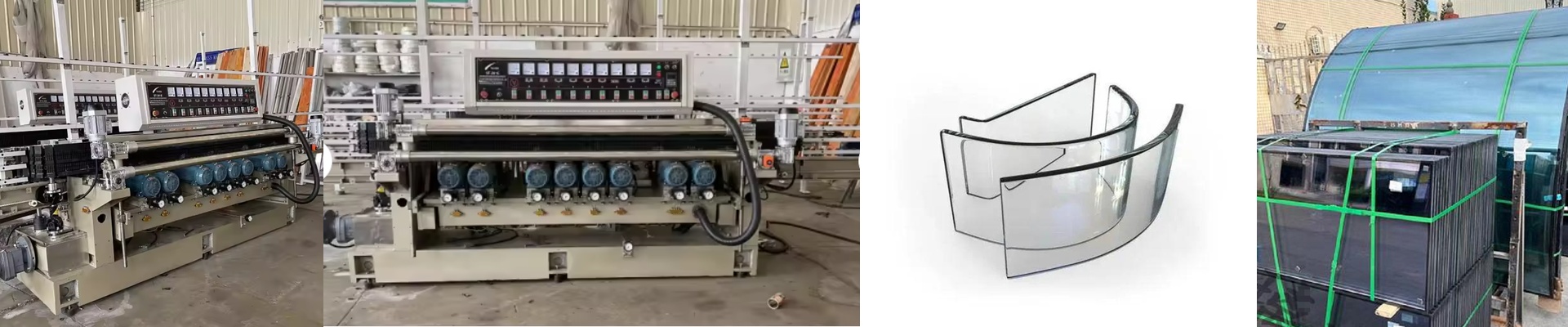
Getting Low-E Glass Annealing Right When You’re Going Wide
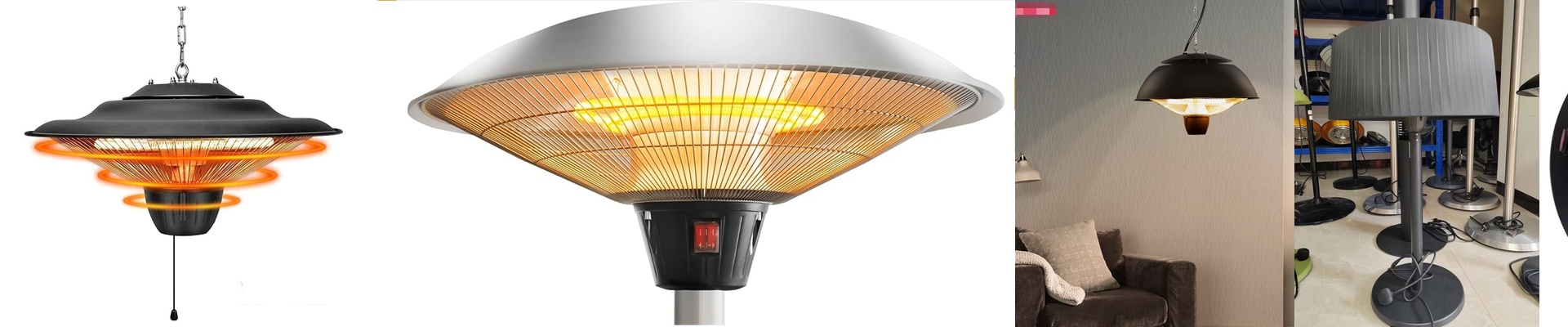
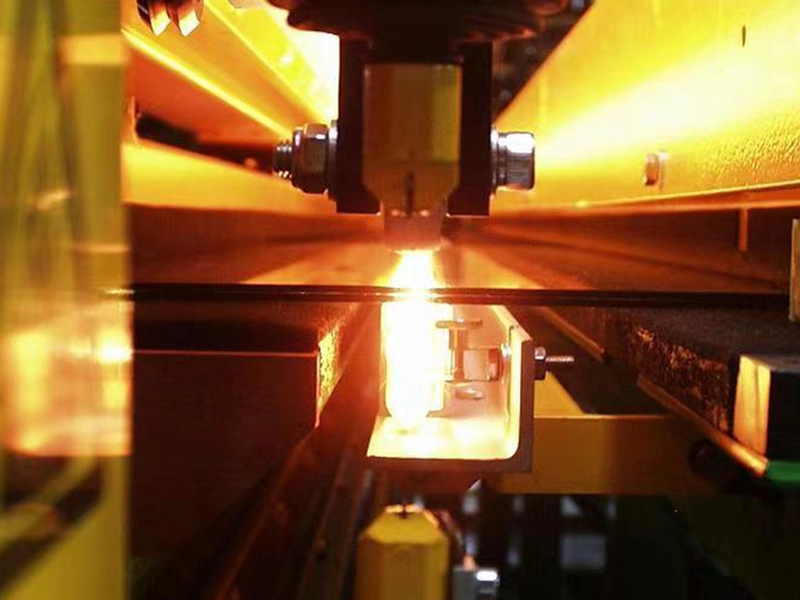
If you’re trying to preheat wide-format Low-E glass, you already know the struggle. Standard, off-the-shelf lamps just don’t cut it. When your glass is over 3 meters wide, you start seeing those annoying cold spots across the oven. It’s a nightmare for quality control. That’s why we don’t do “standard.” We build custom infrared heating units designed specifically for these massive footprints. The 3-Meter Hurdle Here’s the thing: you can’t just stretch a standard IR tube and hope for the best. If you do, they bow. The filaments get uneven. It’s a recipe for failure. Instead, we build modular, interconnected units. This keeps the heat—the watt-density—totally consistent from one end to the other. Just a heads-up on the power side: a 3-meter array is a power hog. Make sure your wiring and breakers can handle the load. If you don’t, you’ll get voltage drops, and right back to those uneven temperatures you were trying to fix. Heat That Actually Penetrates We use high-output quartz elements because they actually get deep into the glass. With Low-E coatings, it’s a balancing act. You need the core to hit annealing temperature without scorching the surface. Plus, we can tweak the wattage per meter to fight “edge-loss.” You know how the heat just vanishes at the ends of the oven? We compensate for that. And because conveyors vibrate—a lot—we use heavy-duty connectors so nothing shakes loose mid-shift. A Few Warning Signs Installing these is where things can go sideways. These units are long, and they’re fragile. If your mounting frames aren’t perfectly level, the tubes will take a beating from the mechanical stress. They’ll burn out way faster than they should. And one last tip: that much heat in one place is intense. If your cooling vents aren’t in the right spot, you’ll practically bake your control electronics alive. Keep them cool, and the system will keep running.