Dealing with “Dead Zones” in Complex Glassware
Ever tried annealing a piece of glass with a weird shape—maybe a tight neck, a sharp shoulder, or a tapered base—only to find it cracked later? It happens because those shapes act like shields. In a standard kiln, the heat just can’t get into every nook and cranny. You end up with these “dead zones” where the glass never actually hits the annealing point. The stress stays trapped inside. And then, snap.
Getting the Heat Where it Actually Matters
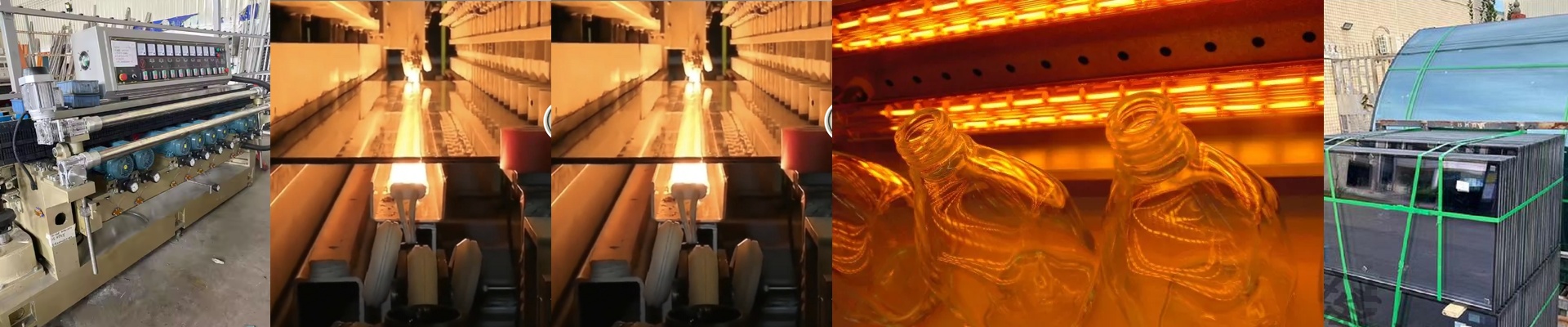
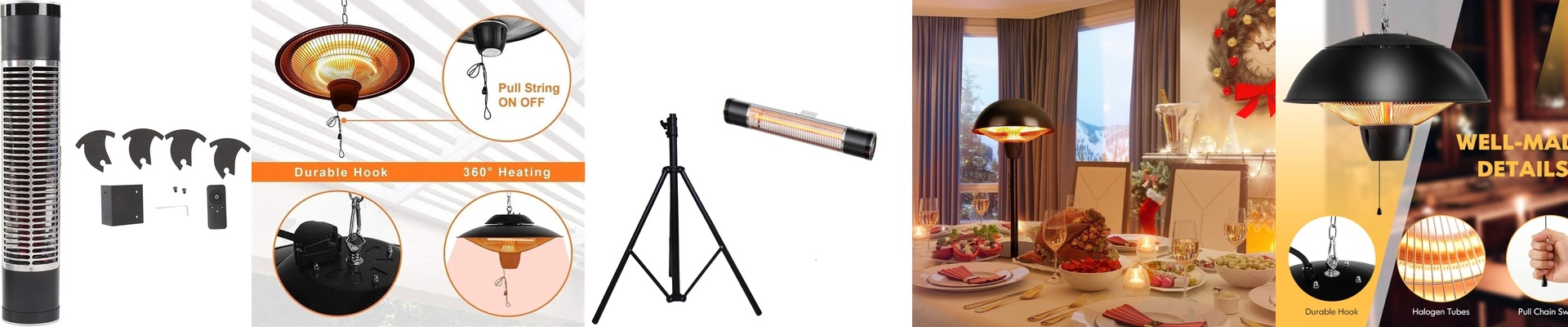
To fix this, we use short-wave infrared (IR) lamps. The big difference here is that we aren’t just blowing hot air around. IR is all about radiation. But you can’t just throw one lamp in there and hope for the best. That won’t work. Instead, we set up the lamps in a multi-angle array. We stagger them at different heights and opposing angles so the heat basically “wraps” around the glass. It’s the only way to make sure no spot is left in the dark. Now, distance is everything. If you mount the lamps too close, you’ll get hot spots or the glass will actually start to deform. Too far? The heat thins out, and your cycle times drag on forever. We spend a lot of time dialing in the exact wattage per square centimeter so the heat reaches the deepest parts of the vessel without scorching the surface.
The Hardware Headache
We use high-wattage quartz tubes because they pack the punch needed for fast heating. But there’s a catch. When you cram that much power into a small space, your kiln chassis takes a beating. If you don’t get your cooling fans and ventilation just right, your lamp sockets are going to fry. Then there’s the physical fit. Quartz expands when it gets hot. We use reinforced connectors to give it some breathing room. If the fit is too tight, the tube just snaps during a thermal cycle. Too loose? You get arcing. It’s a delicate balance.
Mapping the Shadows
The trick is to map the “shadow” of the vessel. We look at exactly where the glass geometry is blocking the primary heat and place lamps specifically to hit those blind spots. When you get this right, every single millimeter of the glass hits the target temperature at the same time. No more wasting hours on long “soak times” just to make sure the cold spots finally caught up. It’s just faster, cleaner, and a lot less stressful.