Getting Your Voltage Right in Glass Tempering
If you’re tempering architectural glass, you know the drill: if the heat isn’t perfectly uniform, the glass snaps. It’s that simple. But here is where things get messy. You move a production line across a border or try to breathe new life into an old machine, and suddenly you’re staring at electrical specs that don’t match. If you plug a 110V lamp into a 480V system, it doesn’t just “not work”—it pops instantly. That’s why we build our infrared lamps to fit your specific grid. Whether you’re running standard North American 480V or industrial 575V, we make sure the lamp actually fits the power you’ve got.
The Truth About Heat Density
You might wonder why we can’t just “adjust” the power. Well, the heat coming off an infrared tube depends on the voltage and the resistance of that tungsten filament. To get the same punch of heat at 575V as you would at 110V, we actually change how long and thick the filament is. We do this so the heat density—the actual energy hitting the glass—stays exactly the same. If the voltage is off, you get cold spots. And cold spots mean uneven tempering, which means you’re throwing away expensive batches of glass. Nobody wants that.
Built for the Actual Shop Floor
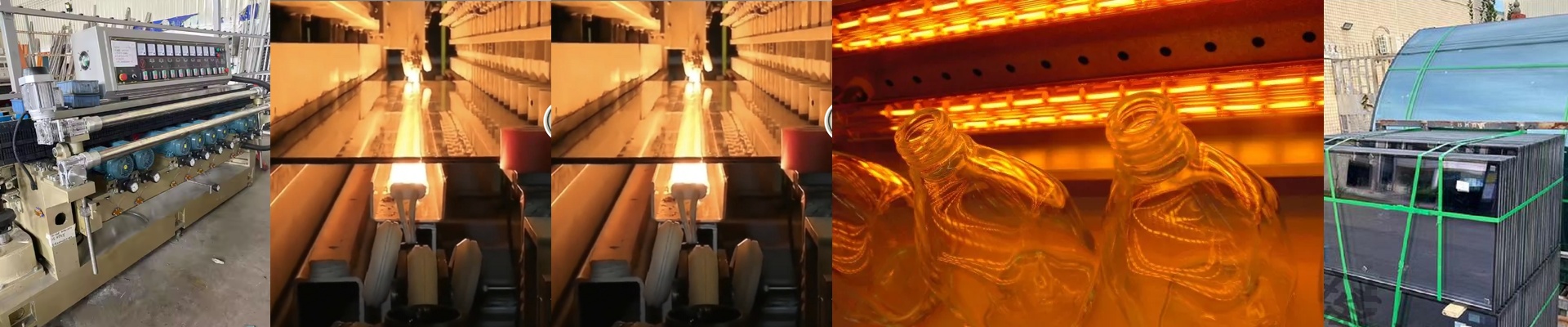
We do more than just flip a switch on the voltage. We look at your whole setup. We pick a quartz grade that can handle the thermal shock without cracking and connectors that won’t melt when things get hot. Depending on how your racks are wired, you can grab standard R7s or SK15 bases. It just works. Plus, going with high-voltage tubes (like 480V or 575V) is a bit of a win for your wiring. You can run more lamps on a single circuit without tripping your breakers. It keeps the wiring clean. Just a heads-up: higher voltage means a higher risk of electrical arcing if your insulators are getting old. Keep an eye on those housing gaskets.
No More Bulky Transformers
We make drop-in replacements for just about any market in the world. You get the length and wattage you need, tuned to your local power. The best part? You can ditch those massive, clunky step-down transformers. They take up way too much floor space and just waste energy. It’s much better to just have a lamp that’s born to run on your grid.