Stop Buying Lamps. Start Buying Heating Systems.
Buying a single short-wave quartz lamp is the easy part. Any supplier can ship you a tube. But actually getting that lamp to work inside a production line? That’s where things get messy. Most engineers I talk to hit a wall when they try to turn a raw component into a functioning heating zone. It’s a headache. That’s why we stopped just selling individual lamps and started building full-scale bent heating modules.
The reality of short-wave IR
Here is the deal with short-wave infrared. These lamps get incredibly hot to push radiation deep into your materials—way faster than medium or long-wave options can. To make that happen, you need a tungsten filament and a quartz envelope. Now, quartz is great for handling heat without warping, but it’s fragile. Like, really fragile. One clumsy move during a manual install on the shop floor and—snap—there goes your afternoon.
Why we went modular
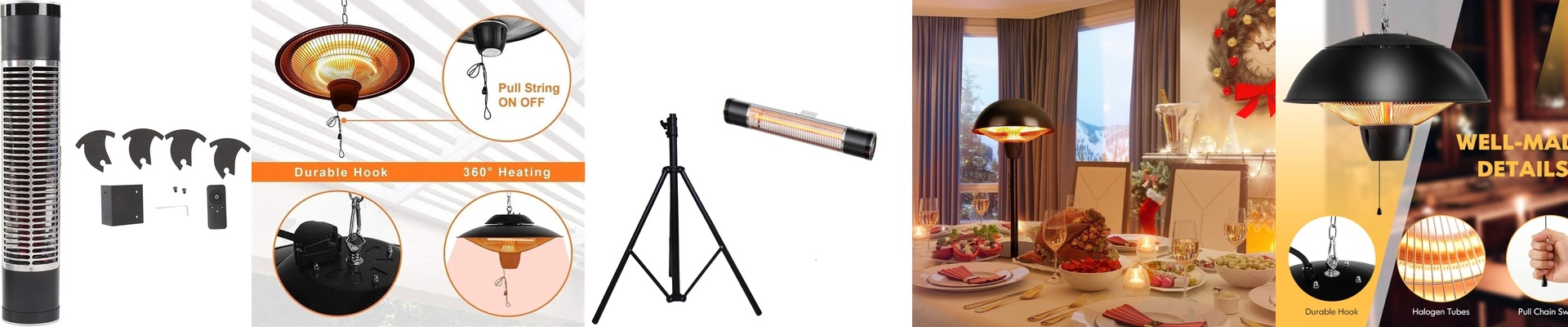
We decided to handle the bending, wiring, and mounting for you. Instead of you stressing over the exact radius of a curve or spending hours soldering connectors in a noisy factory, we just send you a pre-formed assembly. We fit the lamps into a rigid frame that matches your machine’s footprint exactly. It takes the guesswork out of lamp spacing. No more “hoping” the heat is even; it just is.
The trade-offs (because nothing is perfect)
Modular systems save you a ton of labor. You wire them up, flip the switch, and you’re running. But there is a catch. Once that module is locked in, you can’t just “tweak” the lamp position on a whim. You have to get your thermal mapping right during the design phase. And be careful with the power. If you try to cram maximum wattage into a tight bend, you’ll end up with hotspots that fry the quartz. We spend a lot of time balancing that power density against how your chassis cools down so your equipment doesn’t burn out prematurely. It’s a shift in mindset. You stop babysitting fragile glass tubes and start managing a thermal system that actually works.